How Betting Partnerships and Athlete Deals Are Driving Commercial Growth for UFC 334
Las Vegas, Friday, 13 November 2026.
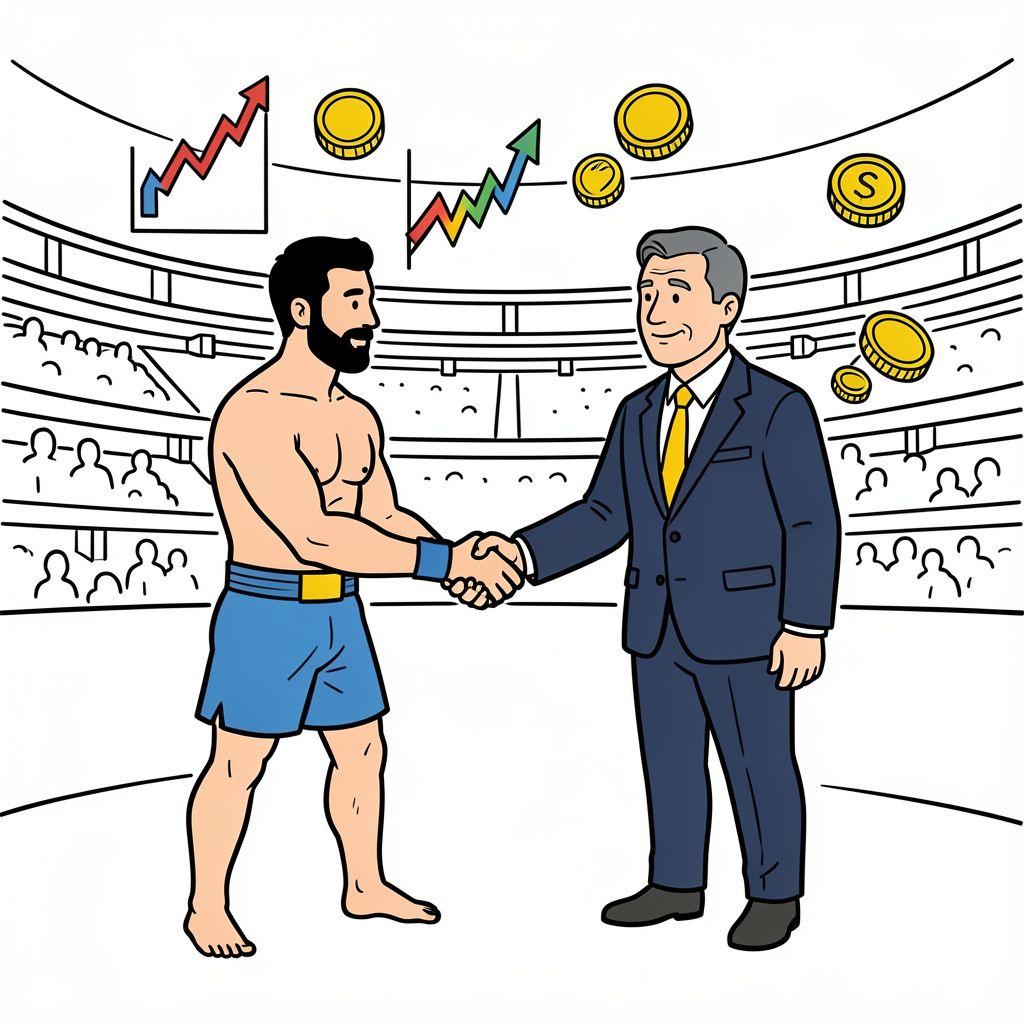
Ahead of UFC 334 at Madison Square Garden, parent company TKO Group is monetizing fan engagement through prediction platforms like Polymarket while restructuring veteran contracts to protect long-term operating margins.
The Betting Boom: How UFC 334 Is Monetizing Fan Engagement
UFC 334, headlining at Madison Square Garden on Saturday, 14 November 2026, is emerging as a bellwether for the evolving sports entertainment model, where betting partnerships and prediction markets are becoming as integral to revenue as ticket sales or pay-per-view buys [1][2][5]. TKO Group Holdings (NYSE: TKO), the parent company of the UFC, has strategically expanded its integration with major sportsbooks and prediction platforms, transforming raw fan engagement into measurable commercial value. This shift reflects a broader industry trend where live sports events are increasingly designed as entertainment spectacles with monetizable data points at their core. Platforms such as BetMGM and Polymarket are not merely facilitating wagers—they are shaping pre-fight narratives, driving viewership, and generating real-time data streams that TKO monetizes through sponsorships, data licensing, and fan interaction tools [1][2].
Predictive Markets and Sponsorship Synergy
The depth of TKO’s integration with betting ecosystems is evident in the way odds and predictions for UFC 334 are embedded into mainstream sports media and fan discussions. For instance, BetMGM’s pre-fight blog featured predictive analytics and odds for multiple bouts on the card, including the main event between Ciryl Gane and Josh Hokit, and the highly anticipated return of Amanda Nunes against Kayla Harrison [1]. Such content is not isolated; it is part of a coordinated strategy to embed sports betting into the cultural conversation around combat sports, particularly in markets where legalization has created new revenue streams. This aligns with TKO’s broader goal of maximizing the commercial value of every fight card, not just through traditional broadcast rights, but through digital engagement and second-screen experiences that keep fans invested across platforms [1][2].
Athlete Contracts Reflect a Strategic Shift in Compensation
Parallel to these commercial innovations, UFC 334 is spotlighting another critical aspect of TKO’s business strategy: the restructuring of athlete compensation. Veteran fighters like Kevin Holland, who enters the event with a new multi-fight contract, are at the center of this evolution. Holland, who has fought 35 times in the UFC, recently confirmed a new deal and hinted it may be his final one, emphasizing the long-term financial planning now required of athletes navigating the latter stages of their careers [2]. This reflects a broader industry shift where organizations are balancing short-term star power with sustainable roster management. For TKO, such contracts are not just about securing talent—they are about managing operating margins, controlling fight frequency, and preserving the long-term value of media rights deals, which are heavily influenced by star power and fight frequency [2][5].
The Dual Engine of UFC’s Commercial Growth
The convergence of betting integration and athlete contract restructuring at UFC 334 illustrates a dual engine driving TKO’s growth: monetizing fan behavior in real time and optimizing athlete value over time. As prediction markets like Polymarket and sportsbooks like BetMGM provide granular data on fan sentiment and engagement, TKO can tailor its content, sponsorships, and even fight matchups to maximize commercial impact [1][3]. At the same time, the organization is recalibrating how it compensates and retains top talent, ensuring that veteran fighters remain financially stable while avoiding over-exposure that could dilute the product’s quality or marketability [2][5]. This balance is essential as TKO seeks to maintain its leadership in the global sports entertainment market amid rising competition from other combat sports leagues and traditional sports leagues expanding their betting partnerships.
What’s Next: Beyond UFC 334
Looking ahead, the commercial playbook refined at UFC 334 is likely to become a template for future events. TKO’s ability to integrate betting platforms, leverage predictive data, and restructure athlete contracts will be closely watched as indicators of its long-term financial health and strategic agility. For instance, the organization’s partnership with platforms like Polymarket not only monetizes fan speculation but also creates a feedback loop where real-time data informs promotional strategies and fight card decisions [1][3]. Meanwhile, the focus on veteran contracts—such as Holland’s—signals a recognition that sustainable growth requires balancing star power with financial prudence. As TKO continues to expand its footprint in sports entertainment, the commercial lessons from UFC 334 may well redefine how mixed martial arts, and possibly other sports, are marketed, monetized, and experienced by global audiences [2][5].