California Lawmakers Target Oil Refiners After Surge in Fuel Profits
Sacramento, Thursday, 6 August 2026.
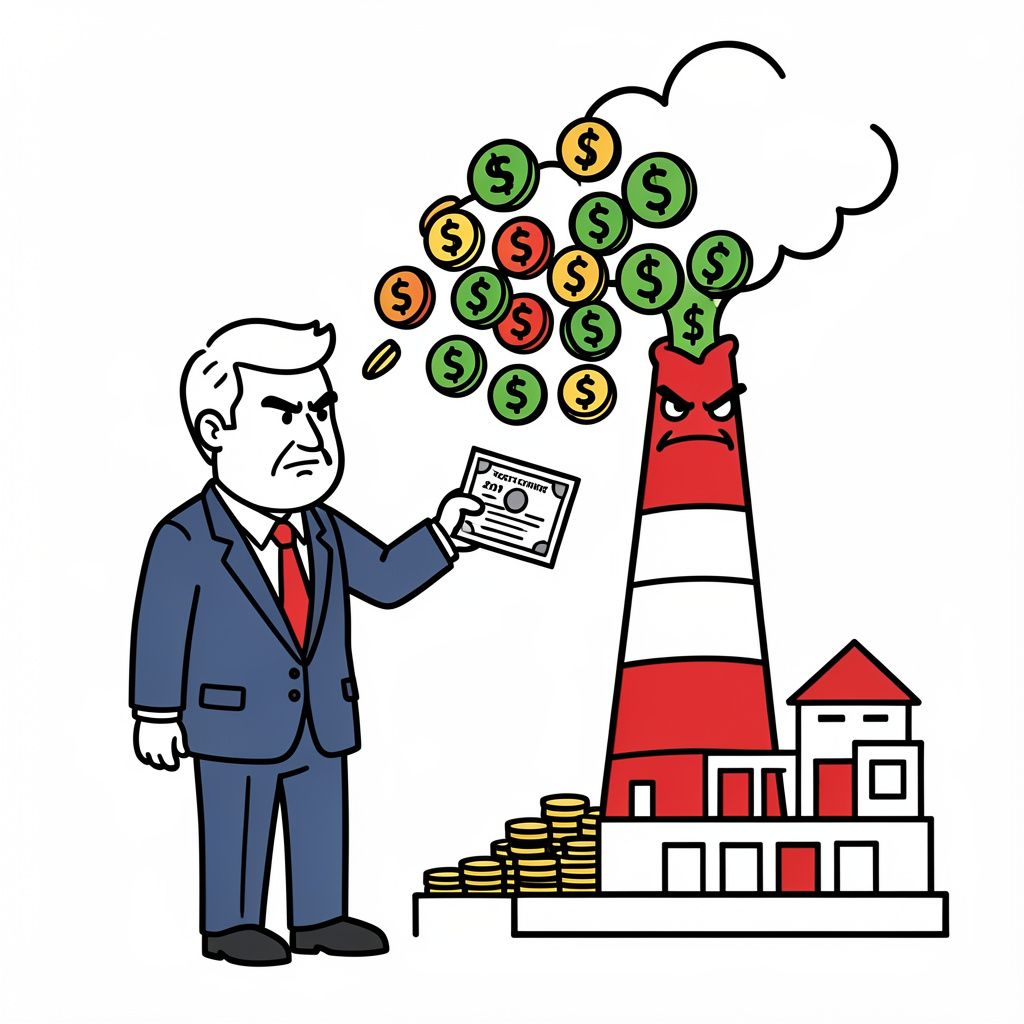
Following record second-quarter refining profits—with margins topping $1.29 per gallon—California lawmakers are introducing legislation to prosecute wartime price gouging and curb rising fuel costs for drivers.
Record Profits Spark Legislative Action
California state legislators are moving to cap energy company profits following a surge in second-quarter earnings reported in early August 2026. On 2026-08-04, major refiners disclosed significant profit increases, with Marathon Petroleum reporting $5.1 billion and Chevron reporting $12.1 billion for the quarter ending 2026-06-30 [1][2]. These figures represent a substantial rise from the previous year, driven by supply disruptions linked to the ongoing conflict with Iran [1][7]. In response, state officials are considering tighter oversight and margin caps to protect consumers from elevated fuel prices, a move that could significantly impact corporate strategies and refining operations across the region [1]. Gasoline prices in the U.S. have increased between 30% and 50% since the start of the Iran war, with California prices remaining above $5.60 per gallon as of 2026-07-31 [1][2].
Legislative Maneuvers and Political Intent
California state legislators, including Sen. Josh Becker and Sen. Benjamin Allen, have introduced a bill to empower the state attorney general to prosecute wartime price gouging [1][2]. Additionally, Sen. Henry Stern introduced a bill proposing the suspension of California’s cleaner-burning fuel blend requirements to allow the sale of standard gasoline [1][2]. These measures are currently proposals and face an Assembly Appropriations Committee vote on 2026-08-13 [2]. Sen. Josh Becker stated, “These profits are absolutely obscene… There’s this notion that these companies can’t run profitably in California or whatever their excuses are, but these are obscene profits and we need to do what we can” [1][2]. The legislation aims to address what lawmakers describe as exploitative pricing during a declared state of emergency, though industry groups argue it increases uncertainty for refiners [1][2].
Refining Margins and Consumer Impact
Data released by the California Energy Commission (CEC) shows that California oil refiners made profits of $1.29 per gallon in May 2026, compared to 44 cents per gallon in January 2026 [4]. This increase represents a margin growth of 193.182 percent over the six-month period [4]. Consumer Watchdog estimates that had a price gouging penalty enacted in 2023 been implemented, oil refiners would have had to return at least $610 million to the state’s drivers for overcharges in March through May 2026 [4]. The CEC had been authorized by the legislature to develop such a penalty under SBx1-2 in 2023 but reportedly “de-prioritized” using this authority [2][4]. Branded gasoline stations in the state charge 31 cents more per gallon than unbranded stations, compared to a 6-cent difference nationally [2].
Market Dynamics and Corporate Response
Globally, eight major oil companies amassed over $93 billion in profits during the quarter ending 2026-06-30, nearly doubling their $50 billion profit from the same period in 2025 [5]. The conflict caused the largest fossil fuel supply disruption in market history, with Brent crude prices peaking at $126 per barrel [5][7]. Chevron operated refineries at approximately 97% capacity and increased energy production by nearly 20% over the previous year [1]. A Chevron spokesperson, Ross Allen, stated, “To meet consumer demand, in the past year we increased energy production nearly 20 percent and operated our refineries at roughly 97 percent capacity in the second quarter” [1][2]. Meanwhile, ConocoPhillips announced on 2026-07-30 that CEO Ryan Lance will retire, with CFO Andy O’Brien set to succeed him on 2026-09-01 [3].
Federal Proposals and Future Outlook
At the federal level, Democratic lawmakers have introduced legislation to tax major oil producers on 2026 profits to redistribute proceeds to consumers [7][8]. Rep. Brad Sherman has proposed legislation to impose a windfall tax on U.S. oil companies until the war with Iran concludes and prices drop below $75 per barrel [8]. However, industry leaders warn against such measures; ExxonMobil CEO Darren Woods noted, “Penalizing the businesses who stood by those countries and provided that product going forward is very short-sighted” [7]. Wood Mackenzie projects annual oil company profits could reach $495 billion in 2026 if prices average $90 per barrel [1][7]. As of 2026-08-06, the proposed state bills remain pending, with the industry warning that new caps could discourage investment in in-state production [1][2].
Sources
- www.latimes.com
- www.aol.com
- www.cnbc.com
- www.prnewswire.com
- www.theguardian.com
- obrag.org
- finance-commerce.com