How Older Millennials Are Driving the Economy Through Homeownership and Hobbies
New York, Thursday, 1 October 2026.
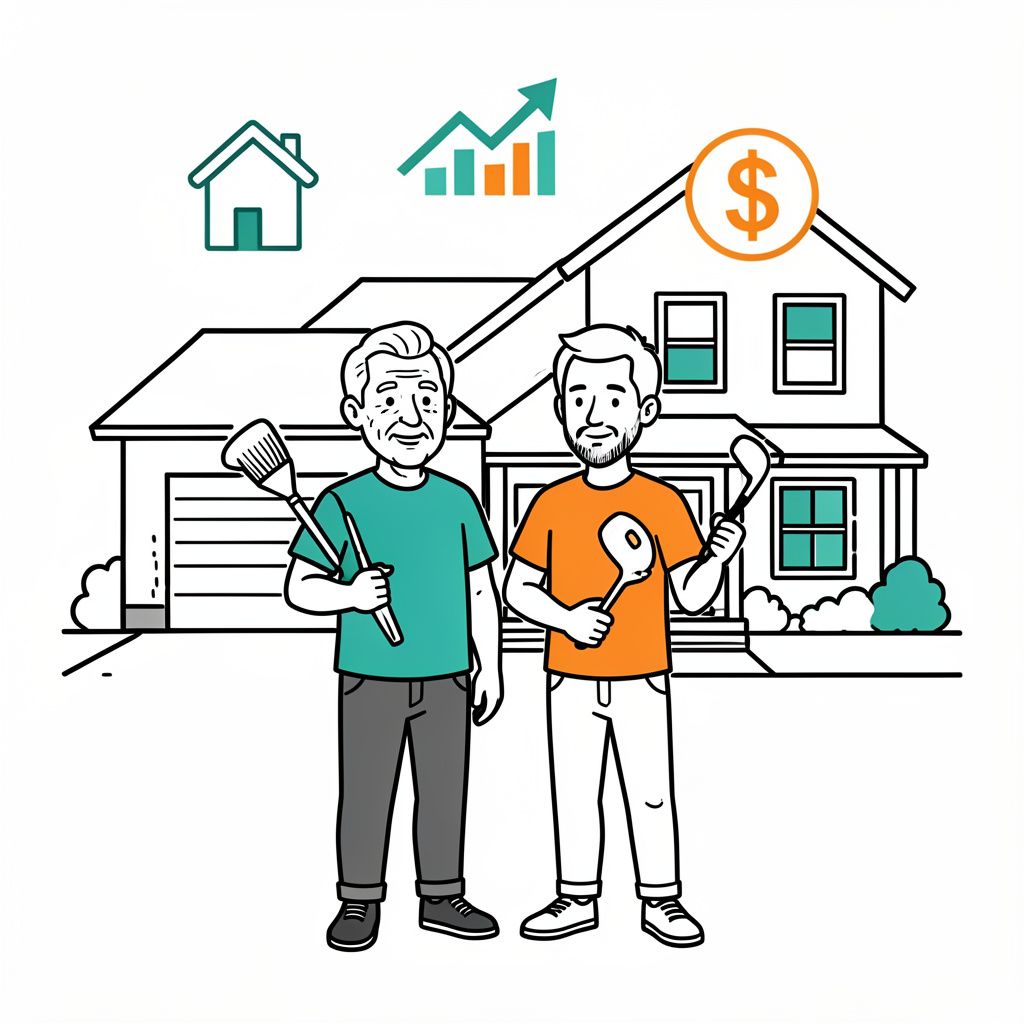
Older millennials are outpacing younger generations in homeownership and leisure spending, leveraging accumulated home equity and peak earning years to dominate the housing and hobby markets.
Generational Divide in Financial Stability
As of October 1, 2026, a distinct economic divergence is reshaping the United States consumer landscape, driven primarily by older millennials born between 1978 and 1988 [1]. According to a Bank of America economic assessment released in late September 2026, this demographic cohort is outperforming both Generation Z and younger millennials in homeownership rates and discretionary spending [1]. Economist Joe Wadford noted that the financial behavior of older millennials now closely aligns with younger Generation Xers, a shift driven by accumulated housing equity and career progression [1]. This separation is not merely anecdotal; data indicates that older millennials are increasingly becoming repeat homebuyers with established equity, while younger counterparts face significant rental market pressures [1]. Nearly 9 in 10 millennials currently carry personal debt, yet the burden is unevenly distributed, creating a sharp financial rift within the generation [6]. Older members are securing real estate using specialized mortgage tools, while younger cohorts face steeper barriers to entry [6].
The Rise of Funflation and Hobby Spending
Discretionary spending patterns reveal a phenomenon analysts are terming “funflation,” where the cost of leisure activities is rising faster than transaction volume [3]. In the three months ending August 31, 2026, hobby spending increased by 7.9% year-over-year, while transaction volume grew by only 3.4% [3][6]. This disparity suggests consumers are paying more per individual transaction, calculated as a gap of 4.5 percentage points between spending growth and volume growth [3]. Older millennials are the leading demographic for this expenditure, with hobby outlays more than double those of Generation Z for the period ending August 2026 [1]. Conversely, Generation Z hobby-transaction growth was effectively flat in August 2026, a sharp decline from the approximately 16% growth observed in August 2025 [3]. This shift indicates that older millennials, entering peak earning years, are prioritizing lifestyle and interests despite broader economic pressures [1].
Housing Market Dynamics and Consumer Anxiety
The housing sector reflects this generational split, characterized by a “renter versus an owner economic scenario” as observed by the National Association of Realtors in April 2026 [1]. While mortgage rates have eased from recent highs, a nationwide Bright MLS consumer survey conducted in December 2025 indicated widespread financial anxiety heading into 2026 [5]. Millennials aged 30 to 49 reported the highest anxiety regarding debt and essential expenses, with over 80% concerned about reducing spending on necessities [5]. Homeowners benefit from locked-in lower mortgage rates, providing greater flexibility for discretionary spending, whereas renters face continued pressure from rent growth outpacing income gains [1][5]. This dynamic suggests that the 2026 housing recovery will be selective, driven primarily by localized job growth and income stability rather than uniform national trends [5].
Broader Economic Outlook for Q4 2026
Broader economic indicators suggest caution heading into the fourth quarter of 2026. The Conference Board Consumer Confidence Index dropped 6.7 points to 81.9 in September 2026, driven by negative assessments of business conditions and rising cost-of-living pressures [4]. Average 12-month inflation expectations accelerated to 6.1%, and 68.4% of consumers anticipate interest rate hikes over the next 12 months [4]. Economic analysts warn that sustained pessimism creates a potential demand-side headwind for Q4 2026 growth as households adjust to tighter financial conditions [4]. However, resilient spending plans for essential services indicate that actual personal consumption expenditure may hold up better than sentiment surveys imply, provided labor and income expectations do not collapse [4]. The key macroeconomic risk remains whether current cost-of-living stress will translate into a sustained pullback in consumption [4].
Sources
- fortune.com
- institute.bankofamerica.com
- www.advisorperspectives.com
- www.linkedin.com
- www.forumnadlanusa.com
- www.edicionesatalanta.com