Trump Quadruples Argentine Beef Imports in Controversial $800 Million Trade Deal
Washington D.C., Saturday, 7 February 2026.
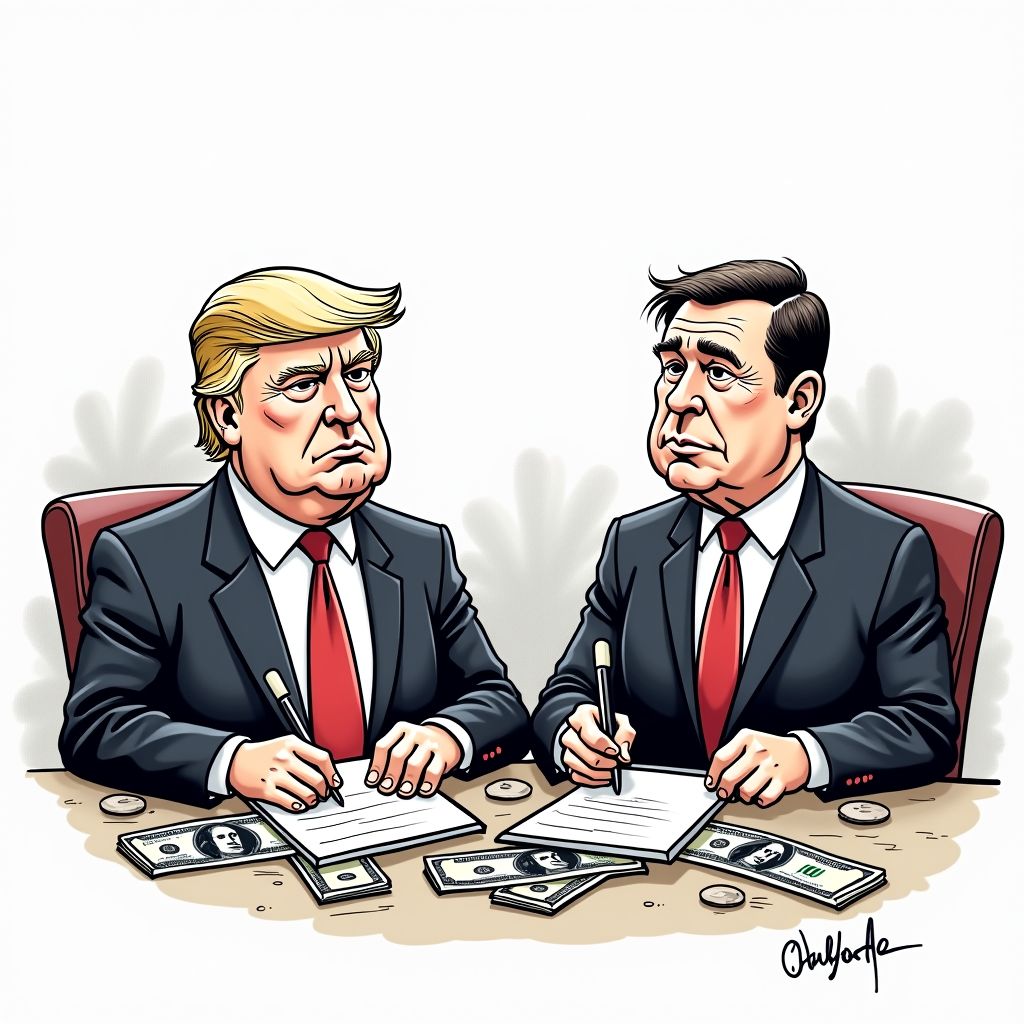
Prioritizing consumer costs, Trump signed an order quadrupling Argentine beef imports to combat record prices, a strategic move defying fierce opposition from the U.S. cattle industry.
Details of the Proclamation
On Friday, February 6, 2026, President Trump formalized this policy shift by signing a proclamation that allows an additional 80,000 metric tons of Argentine beef to enter the U.S. annually [6]. This directive, which Argentine officials estimate will increase their export value by $800 million, raises the total preferential market access to 100,000 tons—representing a 400% increase over the previous 20,000-ton quota [1][7]. The administration explicitly framed the order, titled “Ensuring Affordable Beef for the American Consumer,” as a necessary countermeasure to domestic inflation, citing ground beef prices that reached a historic peak of $6.69 per pound in December 2025 [2][3].
Targeting Lean Beef Supplies
The expanded imports are specifically targeted at lean beef trimmings, a key ingredient blended with fattier domestic supplies to produce ground beef [3][4]. Under the new terms, these shipments will enter the U.S. tariff-free or at reduced rates, with the additional volume allocated in quarterly tranches beginning February 13, 2026 [3][6]. While the White House contends this will alleviate grocery costs for families, the sheer scale of the import hike has ignited immediate friction with the agricultural sector, which views the move as a betrayal of protectionist promises [1][4].
Industry Backlash and Economic Realities
The National Cattlemen’s Beef Association (NCBA) has issued a stinging rebuke of the deal, arguing they “cannot stand behind the President while he undercuts the future of family farmers and ranchers” [2]. Colin Woodall, the organization’s CEO, emphasized that it is “imperative” for the administration to allow cattle markets to function without foreign intervention [2]. Ranchers contend that high prices are a result of supply constraints, not market failure; the U.S. cattle herd has shrunk to its lowest level in 75 years due to persistent droughts and wildfires that have decimated grazing pastures [4].
Diplomatic Trade-Offs
Beyond the economics of beef, the deal represents a significant deepening of ties between Washington and Buenos Aires. The broader trade and investment agreement was signed on Thursday, February 5, 2026, by Argentine Foreign Minister Pablo Quirno and U.S. Trade Representative Jamieson Greer [7]. As part of the negotiation, Argentina agreed to eliminate trade barriers on over 200 categories of U.S. goods, while the United States will remove reciprocal tariffs on 1,675 Argentine products [7]. Furthermore, the U.S. government has committed to reviewing its existing 50% tariffs on Argentine steel and aluminum, signaling a potential further thaw in trade relations [1][7].
Sources
- thehill.com
- www.cbsnews.com
- www.foxbusiness.com
- www.theguardian.com
- www.usatoday.com
- www.usatoday.com
- www.npr.org