Ethics Concerns Mount Over Donald Trump's Surging Tech Holdings
Washington, Monday, 16 November 2026.
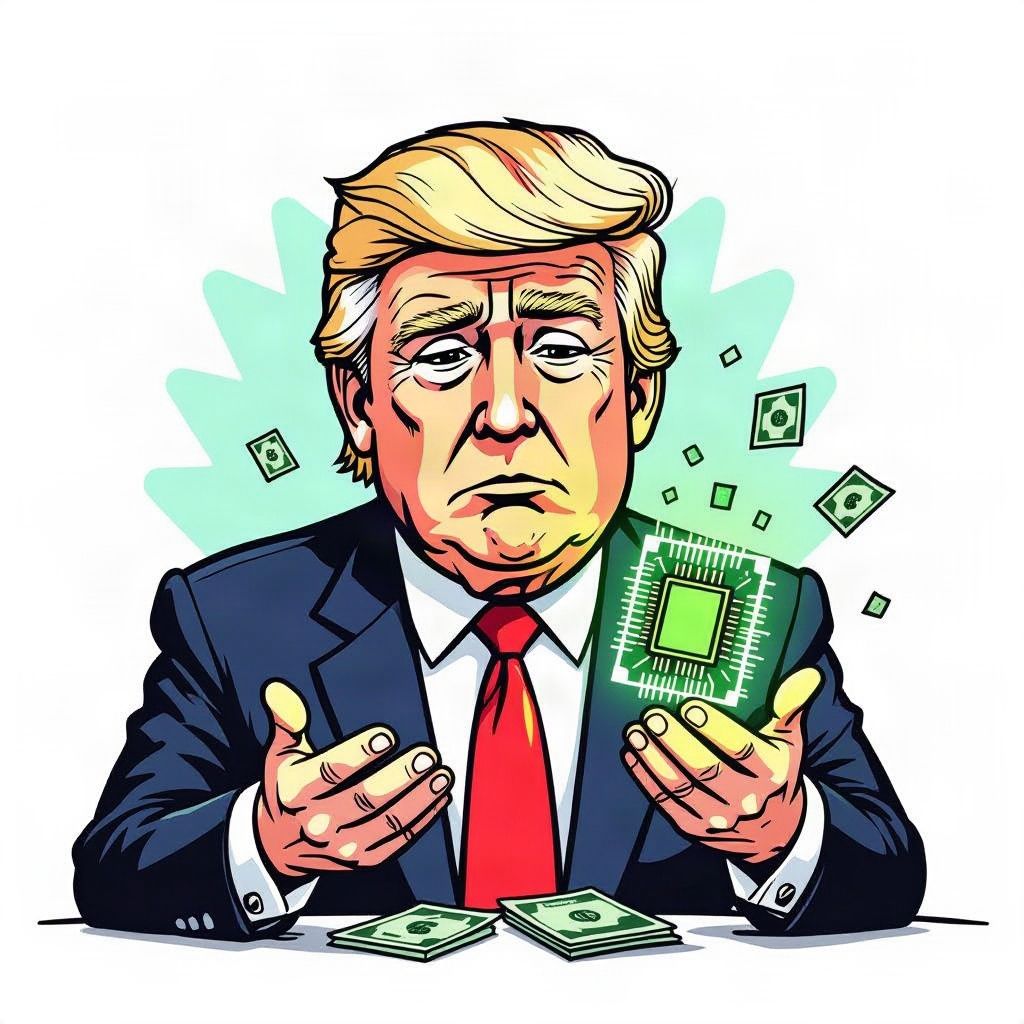
Financial disclosures reveal President Donald Trump’s Nvidia stake surged to $62 million, triggering ethics concerns as his administration simultaneously eased advanced chip export restrictions to China.
Financial Disclosures Reveal Surge in Trump’s Nvidia Holdings
President Donald Trump’s financial disclosures, made public on 16 November 2026, indicate that his personal stake in Nvidia (NASDAQ: NVDA) grew to between $13 million and $62 million as of 31 August 2026. This represents a significant increase from the $615,000 to $1.3 million valuation reported at the end of 2024, a change that occurred despite a reported sale of between $500,001 and $1 million in Nvidia stock on 21 August 2026 and purchases totaling up to $1.6 million during the same month [1][5]. The disclosures do not capture trades made in the two months prior to the filing due to standard reporting lags, leaving the current valuation of Trump’s holdings uncertain [1][2][5].
Policy Parallels Raise Ethical Questions
The timing of Trump’s Nvidia stake appreciation coincides with a series of regulatory decisions by his administration that permitted Nvidia to continue exporting advanced artificial intelligence chips, including the H200 processors, to China. In December 2025, Trump announced the U.S. would allow Nvidia to ship these second-best AI chips to China while collecting a 25% fee on such sales, a policy that has drawn criticism from lawmakers and watchdog groups concerned about the potential diversion of sensitive technology to foreign adversaries [1][2][4][5]. Commerce Secretary Howard Lutnick notably delayed restrictions on companies suspected of diverting Nvidia chips to China, further fueling concerns about conflicts of interest [1].
Nvidia Leadership Turmoil Amplifies Scrutiny
The revelations emerge amid escalating scrutiny of Nvidia’s ties to the Trump administration, particularly following the resignation of co-founder and former CEO Jensen Huang on 8 November 2026. Huang’s departure was precipitated by a scandal involving his relationship with Chinese businesswoman Alice Huang, who U.S. authorities suspect of having intelligence ties to Beijing. This controversy has intensified questions about the nature of Nvidia’s engagements in China and its interactions with the administration [1][2][3][5]. Huang, a close ally of Trump dating back to at least 2025, was seen traveling with the president on Air Force One during a China trip and had his name appear on Trump’s phone during a call in December 2025 [1][2][3][5].
Administration Plans to Designate Nvidia as ‘National Champion’
The Trump administration is reportedly considering designating Nvidia and more than two dozen other artificial intelligence companies as ‘national champions’, a move announced by the Wall Street Journal on 15 November 2026. This designation, if implemented, would signal strong government support for the sector but also raises concerns about the impartiality of regulatory decisions and the potential for policy capture, particularly given Trump’s substantial holdings in the company [1][2][3][5]. Nvidia is scheduled to release its quarterly earnings on 17 November 2026, a report that will be closely watched by investors for signs of how recent controversies may impact the company’s financial performance and market position [1][2][3][5].
Broader Implications for U.S.-China Tech Competition
The intersection of Trump’s financial interests and his administration’s technology trade policies has ignited a broader debate about the ethical implications of such conflicts in the context of U.S.-China tech competition. Critics argue that the administration’s relaxed stance on AI chip exports to China could undermine national security objectives while simultaneously enriching officials with direct financial ties to the affected companies. Proponents, however, contend that the policy decisions are based on strategic economic considerations rather than personal financial gain [1][2][3][5]. Meanwhile, the lack of independent verification of Trump’s current Nvidia holdings—given the recent reporting lags—leaves the full scope of his financial interests open to speculation [1][alert! ‘Reuters could not immediately verify the Washington Post report’][5].