Florida Replaces Standard Sociology Textbooks with State-Authored Curriculum
Tallahassee, Saturday, 7 March 2026.
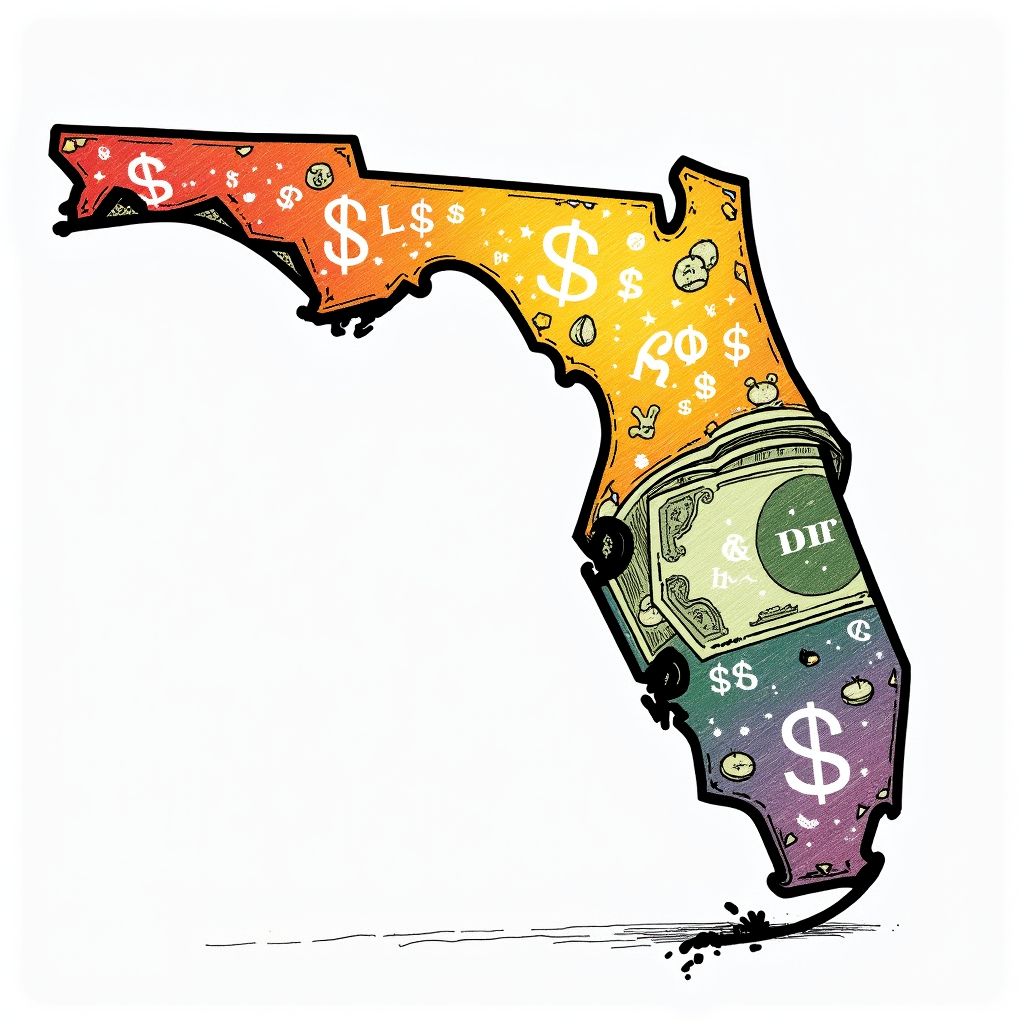
Florida regulators banned all standard sociology textbooks, mandating a state-edited version that eliminates chapters on inequality and slashes the original page count by nearly 65 percent.
Statutory Non-Compliance and Content Reductions
The Florida Board of Governors has determined that no existing Introduction to Sociology textbook currently meets the legal requirements for instruction within the state [1]. This decision is rooted in Florida Statute 1007.25, which explicitly prohibits the inclusion of “identity politics” and any theories suggesting that systematic racism, sexism, oppression, and privilege are inherent to the institutions of the United States [1]. To align with these statutes, a working group was tasked with creating compliant materials, resulting in a drastic reduction of content. The committee took an open-source textbook of nearly 700 pages and edited it down to just over 250 pages, representing a physical reduction of 64.286 percent of the original material [1].
Ideological Shifts in the New Curriculum
Beyond page counts, the state-authored curriculum fundamentally alters the sociological concepts presented to students. The usage of specific terms such as “racism” and “discrimination,” which previously appeared roughly 120 times each, was cut to a combined total of 25 instances; this constitutes a decrease of 89.583 percent in the frequency of these terms [1]. The new curriculum removes chapters on race, gender, stratification, and global inequality entirely [1]. Instead, it mandates that community colleges explain the gender pay gap by stating that “biological sex chromosomes determine… how females and males behave” and noting that men and women with identical credentials enter different fields [1]. Furthermore, the material is prohibited from discussing historical discrimination or suggesting that modern institutions possess an intent to oppress persons of color [1].
Political Origins and Implementation Timeline
The push for this curricular overhaul originated with Governor Ron DeSantis and the Republican-led legislature, who have actively sought to ban specific social theories from public education [2]. The implementation timeline for these changes began in August 2025, when the provost’s office requested compliance guidelines [1]. By October 2025, the Florida Board of Governors—a body composed of political appointees such as insurance executives and roofing contractors, rather than professors—formed a committee to draft the new textbook [1]. This committee included figures such as Jason Jewell and Jose Arevalo, though one sociologist was removed from the group for referencing gender non-conformity [1]. By mid-December 2025, department chairs were formally asked to adopt the state-created textbook for their courses [1].
Broader Academic Implications
This intervention in Florida is part of a larger pattern of state-level involvement in higher education curricula. Similar efforts to control course content are currently evident in states including Texas, Indiana, North Carolina, and Georgia [1]. Critics within the academic community argue that these directives force faculty to abandon professional ethics and ignore existing sociological literature, describing the new mandates as the state producing its own propaganda [1]. As of today, March 7, 2026, the ban on standard textbooks remains in effect, with professors facing potential disciplinary action for non-compliance [1].