The United Arab Emirates Abandons Global Oil Cartel to Forge a New Energy Path
Abu Dhabi, Tuesday, 28 April 2026.
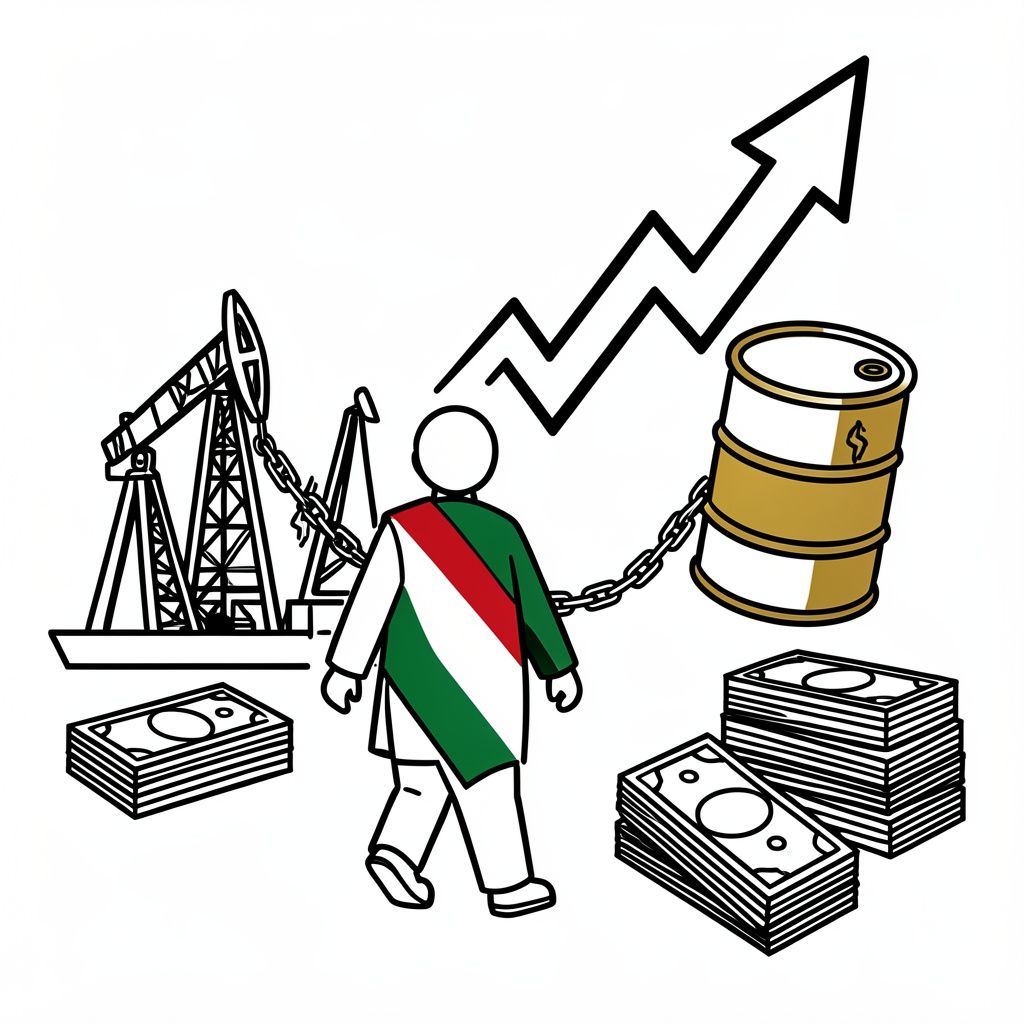
In a historic shift, the United Arab Emirates will exit the global oil cartel on May 1, sending international crude prices soaring past $113 a barrel amid regional conflicts.
A Strategic Pivot Amidst Geopolitical Turmoil
On Tuesday, April 28, 2026, the United Arab Emirates officially announced its departure from the Organization of the Petroleum Exporting Countries (OPEC) and the wider OPEC+ alliance, effective May 1, 2026 [1][3][4][5]. The decision marks the end of a decades-long relationship with the cartel, headquartered in Vienna [GPT], which the UAE joined in 1967 [3][4][5] [alert! ‘NBC News reports the joining year as 1971, but multiple other sources confirm 1967’]. The UAE Ministry of Energy stated that the exit follows a comprehensive review of its production policy, emphasizing a shift toward national interests and a commitment to meeting pressing global market needs [3][4][7].
Unleashing Production Capacity and Market Reactions
By unshackling itself from OPEC+ production quotas, Abu Dhabi is positioning itself to fully monetize its vast energy reserves. Under the cartel’s framework, the UAE’s output was restricted to approximately 3.0 million barrels per day (bpd) [5]. However, the Abu Dhabi National Oil Company (ADNOC) currently possesses a production capacity exceeding 4.0 million bpd and plans to expand this to 5.0 million bpd by 2027 [5]. This represents a planned capacity growth of 25 percent over its current baseline, leaving 1 million bpd of capacity currently untapped. Despite this unlocked potential, the U.S. Energy Information Administration (EIA) estimates that Gulf producers collectively shut in approximately 9.1 million bpd in April 2026 due to the logistical paralysis in the Strait of Hormuz [5].
Fractures in the Cartel and Shifting Alliances
The loss of its third-largest producer—trailing only Saudi Arabia and Iraq in output volume as of February 2026—deals a severe blow to OPEC’s cohesion and its de facto leader, Saudi Arabia [2][3][6]. The departure exacerbates an already strained relationship between Abu Dhabi and Riyadh, which recently escalated after Saudi forces intercepted an alleged UAE-linked weapons shipment to southern Yemen earlier in 2026 and subsequently launched airstrikes on the port of Mukalla [5]. Researchers at the Baker Institute have characterized the UAE’s move as the most high-profile departure in the group’s history, significantly overshadowing Qatar’s exit in 2019 [5].
Sources
- www.bloomberg.com
- www.usnews.com
- www.cnbc.com
- gulfnews.com
- oilprice.com
- www.nbcnews.com
- www.instagram.com