New York Evaluates Demands for $800,000 Direct Cash Reparations
New York, Saturday, 30 May 2026.
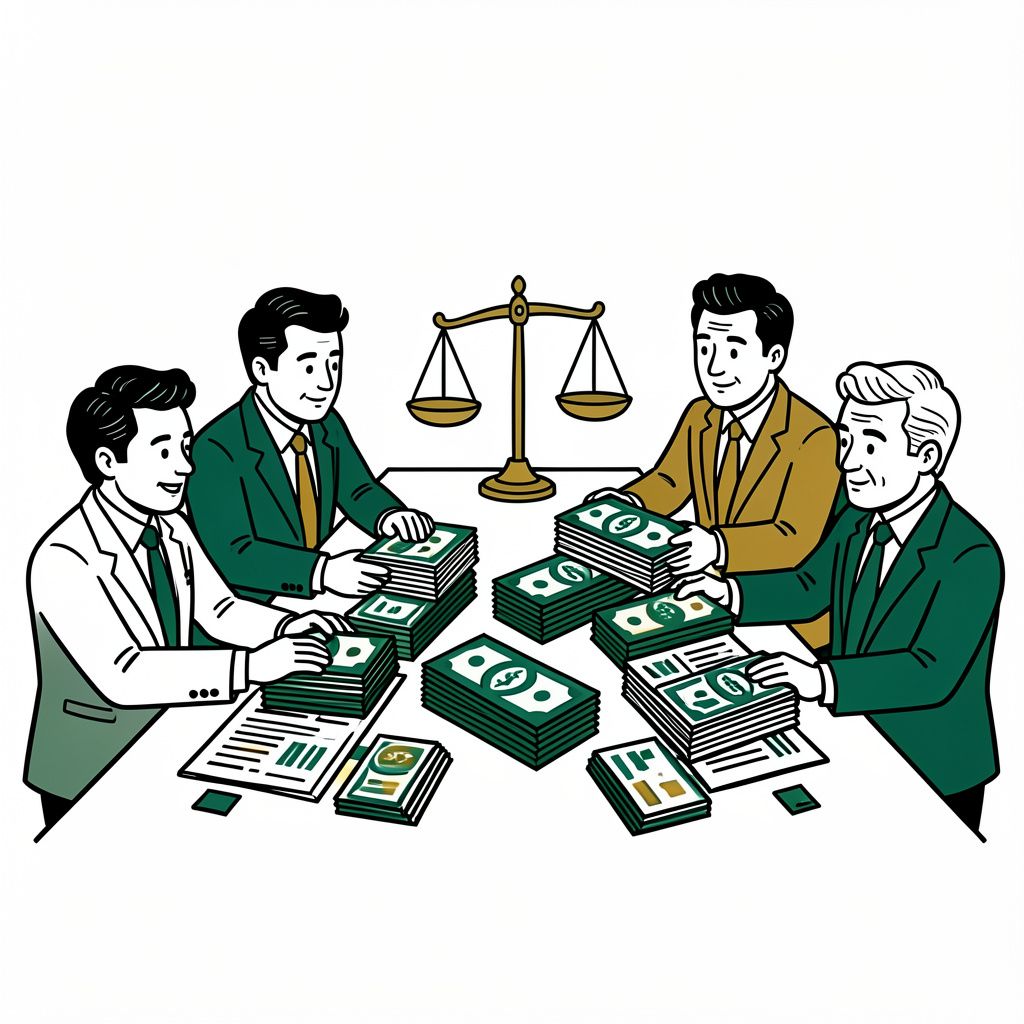
In May 2026, New York officials began evaluating compensation models as advocates demanded up to $800,000 per person in cash reparations to address historical racial injustices.
The Push for Direct Financial Restitution
On May 29, 2026, some Black New Yorkers publicly demanded cash reparations of $800,000 per person, arguing the sum is necessary to cover the local cost of living, purchase a home, start a business, and recover from financial duress [1]. This surge in advocacy follows a May 23, 2026, public hearing held by the New York State Community Commission on Reparations Remedies [1]. The commission’s current mandate is focused on study and intent rather than immediate policy implementation; it aims to gather feedback from residents and eventually deliver a formal report to the state legislature [1].
Lineage, Constitutionality, and Alternative Models
As the state evaluates potential frameworks, structural and legal debates are emerging. The United States Freedmen Project, a non-partisan group advocating for “foundational Black Americans,” has argued that the state’s current reparations bill contains unconstitutional language [1]. The organization insists that eligibility for any restitution must be strictly based on lineage to enslaved people to ensure constitutional compliance [1]. Supporters envision comprehensive financial infrastructure, with local advocate Rex Burns proposing the creation of a “new Freedmen’s Bureau” that would function similarly to a central bank for Black America, distributing funds directly to communities [1].
Local Initiatives and Broader Political Clashes
The reparations discourse has also intersected with national political tensions. On May 28, 2026, the NYC Commission on Racial Equity (NYC CORE) held a press conference outside Trump Towers [3]. The commission used the venue to publicly reject former President Donald Trump’s recent push to provide reparations for individuals involved in the January 6 Capitol riots [3][alert! ‘It is unclear from the provided source whether Trump’s statements on January 6 reparations represent a formal campaign policy or informal political rhetoric’]. NYC CORE juxtaposed this national controversy with local needs, asserting that municipal efforts must remain focused on repairing the systemic racial harms caused by generations of slavery in New York City [3].
Economic Implications and Future Steps
As of late May 2026, the timeline for any actual policy implementation remains firmly in the future, with the immediate focus resting on data collection and public testimony [1]. Commissioner Seanelle Hawkins characterized the current phase as prioritizing “truth before repair” [1]. However, advocates remain focused on structural economic solutions. As local supporter Tanasia Poke argued, historical injustices were institutionalized through policy and finance, meaning policy and finance are the necessary mechanisms for repair [1]. Moving forward, lawmakers will face the complex task of reconciling these substantial financial demands with constitutional parameters and the realities of state and municipal budgets [1][GPT].