R.N. Ravi Appointed West Bengal Governor Ahead of Crucial State Elections
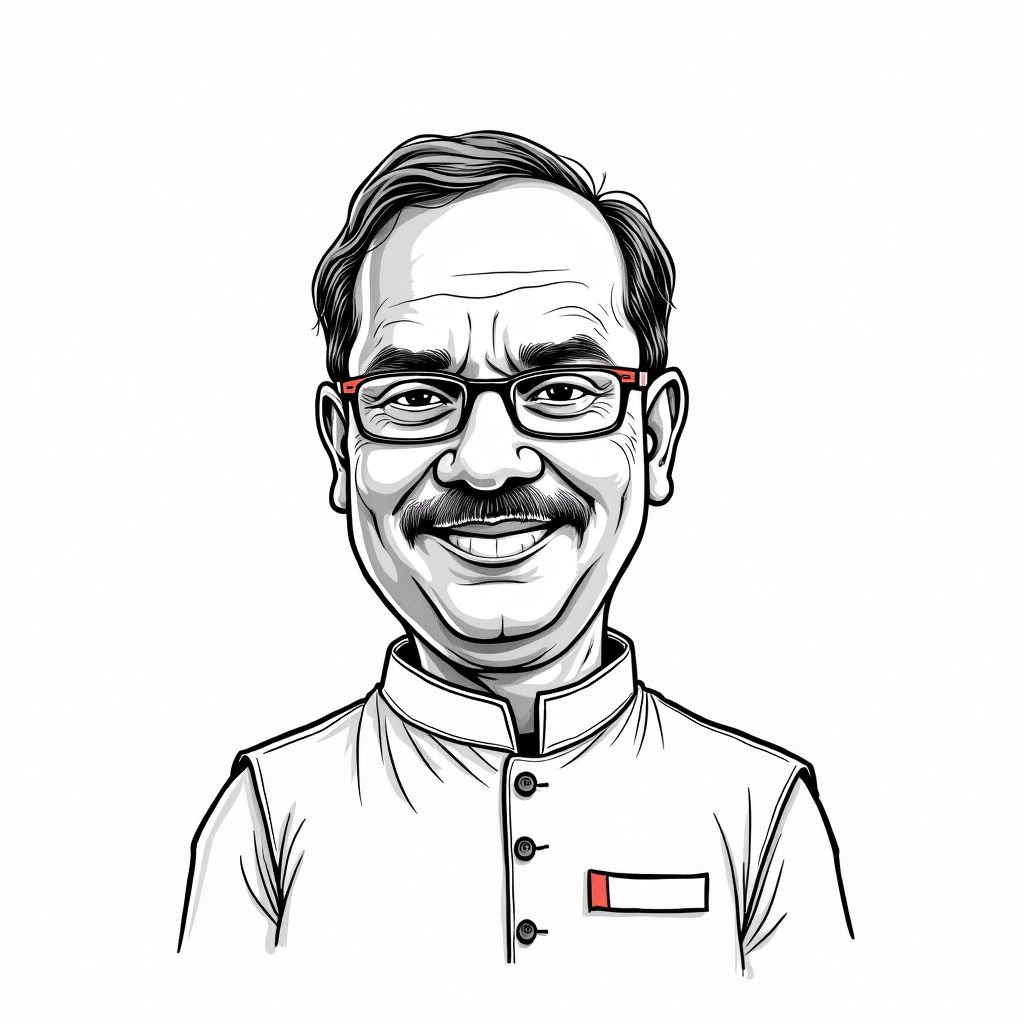
Kolkata, Friday, 6 March 2026.
Transferred after a contentious Tamil Nadu tenure, R.N. Ravi assumes the West Bengal governorship ahead of state elections, sparking immediate friction regarding federal cooperation and political timing.
A Strategic Shift in Kolkata
In a significant administrative realignment announced by the President of India, R.N. Ravi has been appointed as the new Governor of West Bengal, following the resignation of C.V. Ananda Bose on March 5, 2026 [1][8]. The transition comes at a critical juncture, as the state braces for upcoming assembly elections, placing Ravi—a figure known for his assertive gubernatorial style—at the center of one of India’s most politically active zones [1][8]. The move is part of a broader reshuffle affecting nine states and Union Territories, signaling a strategic recalibration by the central leadership [1].
Federal Frictions and Political Reactions
The appointment has immediately ignited tensions between the West Bengal state government and the Centre. Chief Minister Mamata Banerjee expressed shock at the sudden development, stating she was informed by the Union Home Minister only after the decision was effectively made [1][8]. Banerjee sharply criticized the lack of consultation, asserting that such unilateral actions “undermine the spirit of the Constitution” and violate established conventions of cooperative federalism [1]. She further alleged that the timing of the replacement, on the eve of state assembly elections, suggests the move may be driven by specific political interests [8].
A Legacy of Confrontation
Observers are closely analyzing Ravi’s track record in Tamil Nadu to forecast the trajectory of center-state relations in West Bengal. During his four-year tenure in Chennai, Ravi engaged in frequent and high-profile confrontations with the M.K. Stalin-led government [2][8]. Between September 2021 and May 2022 alone, he kept 21 bills pending without assent, a delay that eventually compelled the state government to seek intervention from the Supreme Court [8]. The Court subsequently ruled the Governor’s actions “illegal” and “arbitrary,” declaring that re-presented bills were deemed to be cleared [1].
Interim Arrangements and Future Implications
As Ravi assumes charge in Kolkata, his departure from Tamil Nadu has triggered interim administrative arrangements. According to an official release, Kerala Governor R.V. Arlekar will discharge the functions of the Tamil Nadu Governor [2], although other reports have indicated that Manipur Governor Ajay Kumar Bhalla might hold the additional charge [8]. For West Bengal, the arrival of a governor with a history of engaging in “political-ideological conflict” suggests a turbulent period ahead as the state administration and the Raj Bhavan navigate their relationship prior to the 2026 polls [1][8].