US Submarine Torpedoes Iranian Frigate in Indian Ocean, Signaling Major Conflict Escalation
Colombo, Wednesday, 4 March 2026.
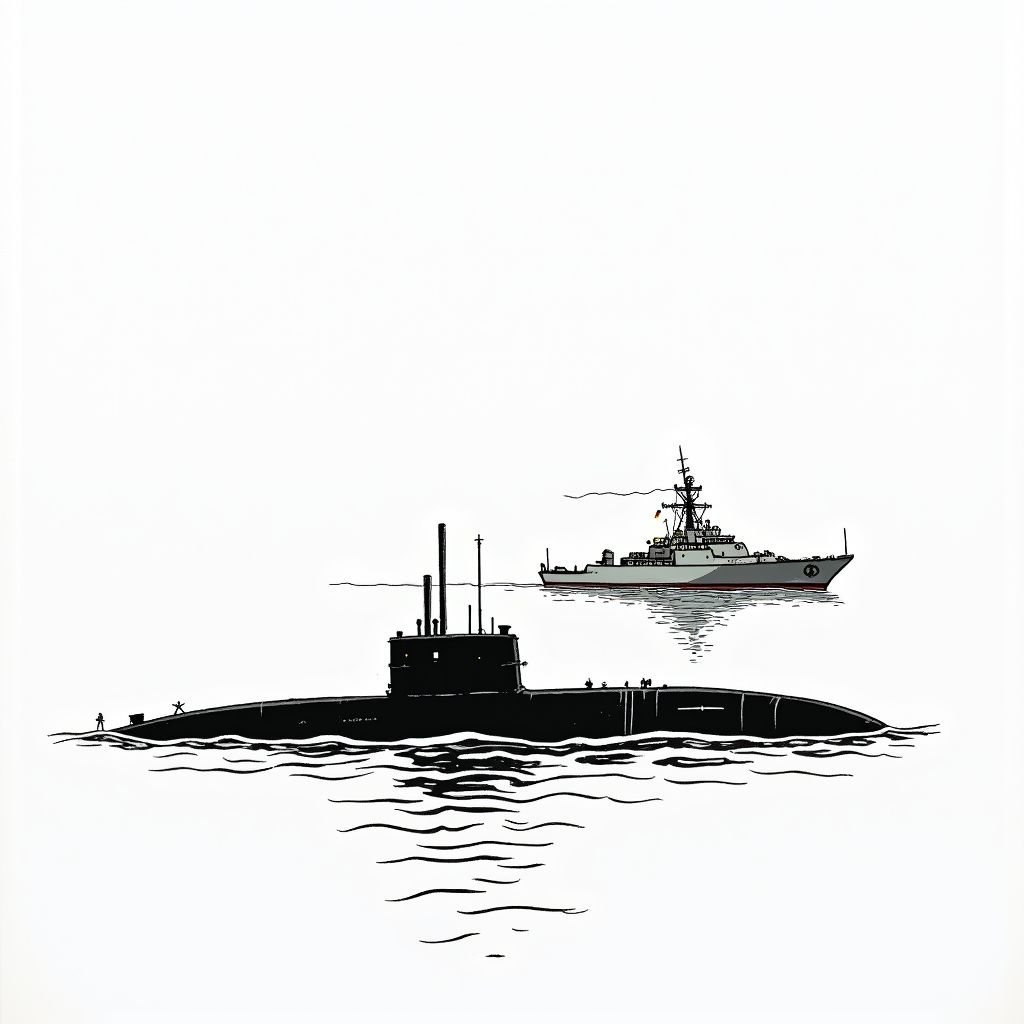
Marking the first reported torpedo sinking of an enemy vessel since World War II, a US submarine destroyed Iran’s IRIS Dena off Sri Lanka, severely escalating the ongoing conflict.
Confirmation of Targeted Strike
On Wednesday, March 4, 2026, U.S. Defense Secretary Pete Hegseth confirmed that an American submarine executed the attack on the Iranian warship IRIS Dena in the Indian Ocean [1]. Describing the engagement as a “quiet death,” Hegseth stated that the vessel was destroyed by a torpedo while transit through what the crew believed were safe international waters [1]. The Defense Secretary characterized the incident as the first U.S. sinking of an enemy ship by torpedo since World War II [1]. While initial reports varied on the exact timing, Hegseth remarked on Wednesday that the sinking occurred “yesterday,” placing the event on March 3, 2026 [2]. The Pentagon has subsequently released footage of the vessel sinking to verify the operation [1].
Casualties and Search Operations
The human cost of the sinking has been substantial. Sri Lankan authorities, who launched a search and rescue operation immediately following a distress call, have recovered 87 bodies from the site [1]. Out of the approximately 180 personnel reported to be on board, only 32 survivors were initially rescued by the Sri Lankan Navy, though Chinese state media later reported the number of rescued individuals as 35 [1][6]. This leaves a significant portion of the crew unaccounted for; based on the initial complement of 180 and the lower rescue figure of 32, the casualty and missing rate stands at approximately 82.222 percent [1]. The survivors have been transferred to the Karapitiya Teaching Hospital in Galle for treatment [6], while search efforts continue amidst oil slicks observed at the crash site outside Sri Lankan territorial waters [1].
Operational Context and Strategic Implications
The IRIS Dena, identified as a Moudge-class frigate armed with anti-ship missiles and torpedoes, was returning from a diplomatic and military mission in the Bay of Bengal where it had participated in naval drills hosted by India [1][3]. The vessel, which had previously undertaken a high-profile international tour to Brazil and South Africa in 2023, was a modern asset in Iran’s naval fleet but had been subject to U.S. Treasury sanctions since February 2023 [3]. Its destruction marks a decisive shift in the U.S. strategy to dismantle Iranian naval capabilities, with U.S. Admiral Brad Cooper noting a broader campaign to neutralize the opposing navy [3].
Economic Ripples and Global Fallout
The intensification of hostilities has had an immediate and quantifiable impact on global trade arteries. Data indicates that shipping traffic through the critical Strait of Hormuz decreased by approximately 90% between March 2 and March 3, 2026, compared to the average traffic observed in late February [2]. Concurrently, maritime insurers have largely withdrawn war-risk coverage for vessels operating in the Gulf, further isolating the region’s logistics [2]. With Defense Secretary Hegseth declaring that the U.S. is winning the war “decisively” and “without mercy,” the sinking of the IRIS Dena serves as a potent symbol of the expanding theater of war, extending from the Middle East deep into the Indian Ocean [4].