Europe Seeks Strategic Mineral Deal with Vietnam to Reduce Reliance on China
Hanoi, Wednesday, 14 October 2026.
Leaked documents show the European Union plans to offer financial backing to Vietnam’s mining sector, aiming to secure rare earths and tungsten while cutting supply risks linked to China.
Leaked Documents Reveal EU Strategy to Diversify Mineral Supply Chains
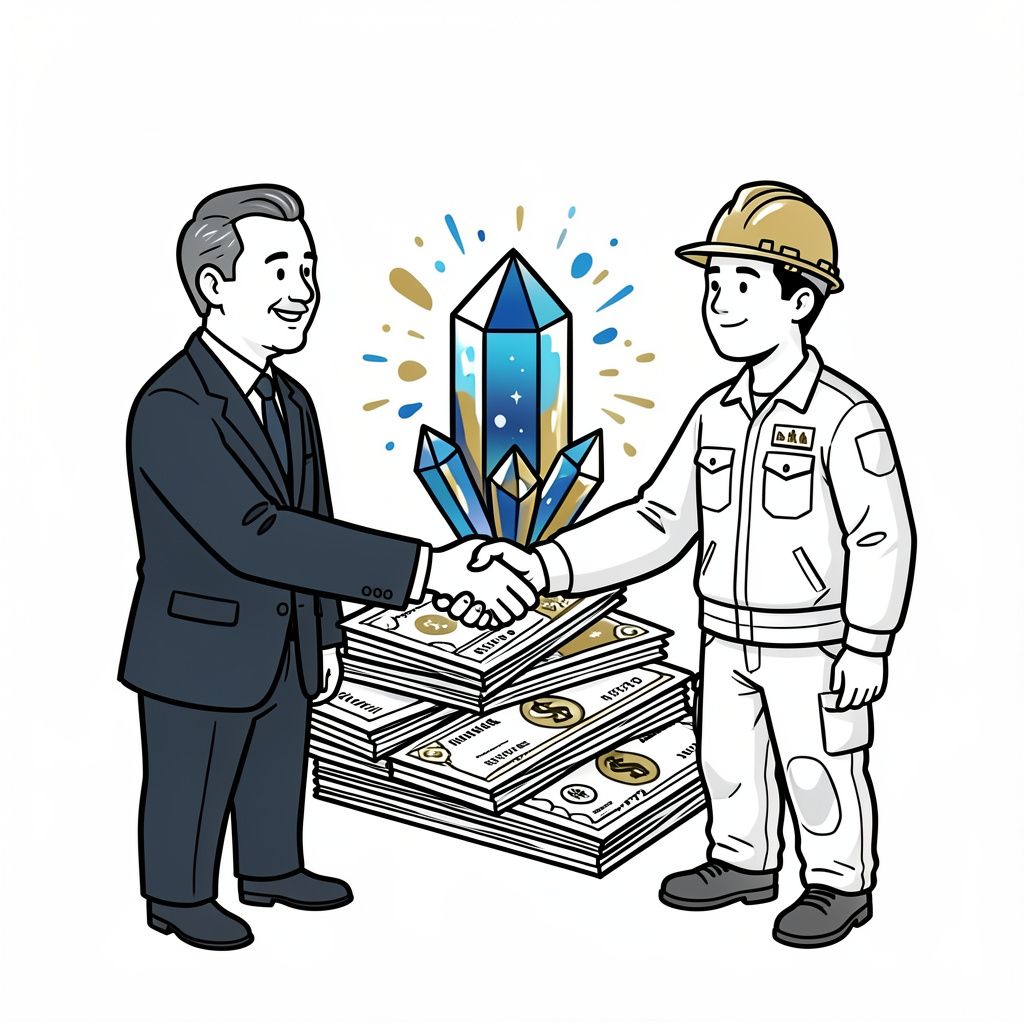
On 14 October 2026, internal European Union documents leaked to Reuters indicate a concerted effort to secure critical minerals from Vietnam, aiming to reduce reliance on Chinese supply chains [1][3]. The documents, prepared by the EU delegation in Hanoi and dated June 2026, recommend financial support for Vietnam’s mining and processing industries to maintain access to tungsten, bismuth, antimony, and titanium [1][2]. This strategic pivot is driven by concerns that existing supplies may be at risk, particularly following export restrictions imposed by Beijing in 2025 that disrupted European supply chains [2][5]. The European Commission confirmed it is assessing the potential for concrete cooperation with Vietnam in the critical raw materials sector, though the specific documents had not been reported on prior to this disclosure [1][5].
Critical Mineral Reserves and Current Trade Dynamics
Vietnam holds substantial deposits of critical raw materials, including rare earths, tungsten, antimony, bismuth, and bauxite, from which gallium can be extracted as a byproduct [1][6]. Despite holding rare earth reserves estimated at 3.5 million tonnes, Vietnam’s mine production amounted to just 150 tonnes in the previous year, highlighting a significant gap between potential and output [6]. Currently, exports to the EU are largely limited to tungsten and antimony, both of which are utilized in the defence sector for ammunition and explosives [1][5]. Vietnam is not currently among the EU’s 16 strategic partners on raw minerals, but Brussels recently removed Vietnam from its tax-haven blacklist to facilitate closer economic ties [1][2].
Geopolitical Competition and Investment Challenges
The push for Vietnamese minerals comes amid intensifying competition, with entities from the United States, Japan, and South Korea also seeking to diversify supply chains away from China [4][6]. In September 2026, Masan High-Tech Materials, Vietnam’s largest tungsten operation, sold a 4.99% stake to the Elmet Group, which supplies tungsten to the U.S. defense stockpile [2][5]. Previous attempts by Australian, U.S., and Canadian entities to acquire a majority stake in the company failed in 2025, underscoring the complexities of foreign investment in the sector [5][7]. Observers caution that significant infrastructure development is required to build a complete supply chain from extraction to refining, making short-term independence from Chinese mineral supplies unlikely [4][6].
Upcoming Diplomatic Engagements and Future Cooperation
European and Vietnamese officials indicate that Vietnamese leader To Lam is scheduled to visit Brussels for meetings with EU leaders on 22 October 2026 [1][4]. While the visit has not been officially announced, four European and Vietnamese officials confirmed the schedule, where critical minerals are expected to feature prominently in talks [1][6]. Hanoi has urged EU states to ratify an investment protection agreement signed in 2019, which remains blocked by a handful of countries including France [1][2]. The EU is proposing a partnership involving loans, grants, technical assistance, and export-credit insurance to bolster Vietnam’s processing capacity, aiming for concrete outcomes during the upcoming diplomatic visit [2][4].
Sources
- uk.finance.yahoo.com
- moderndiplomacy.eu
- chinaglobalsouth.com
- finance.biggo.com
- www.firstpost.com
- rawmaterials.net