Nintendo Drives Digital Sales with New Switch 2 Pricing Strategy
Kyoto, Thursday, 26 March 2026.
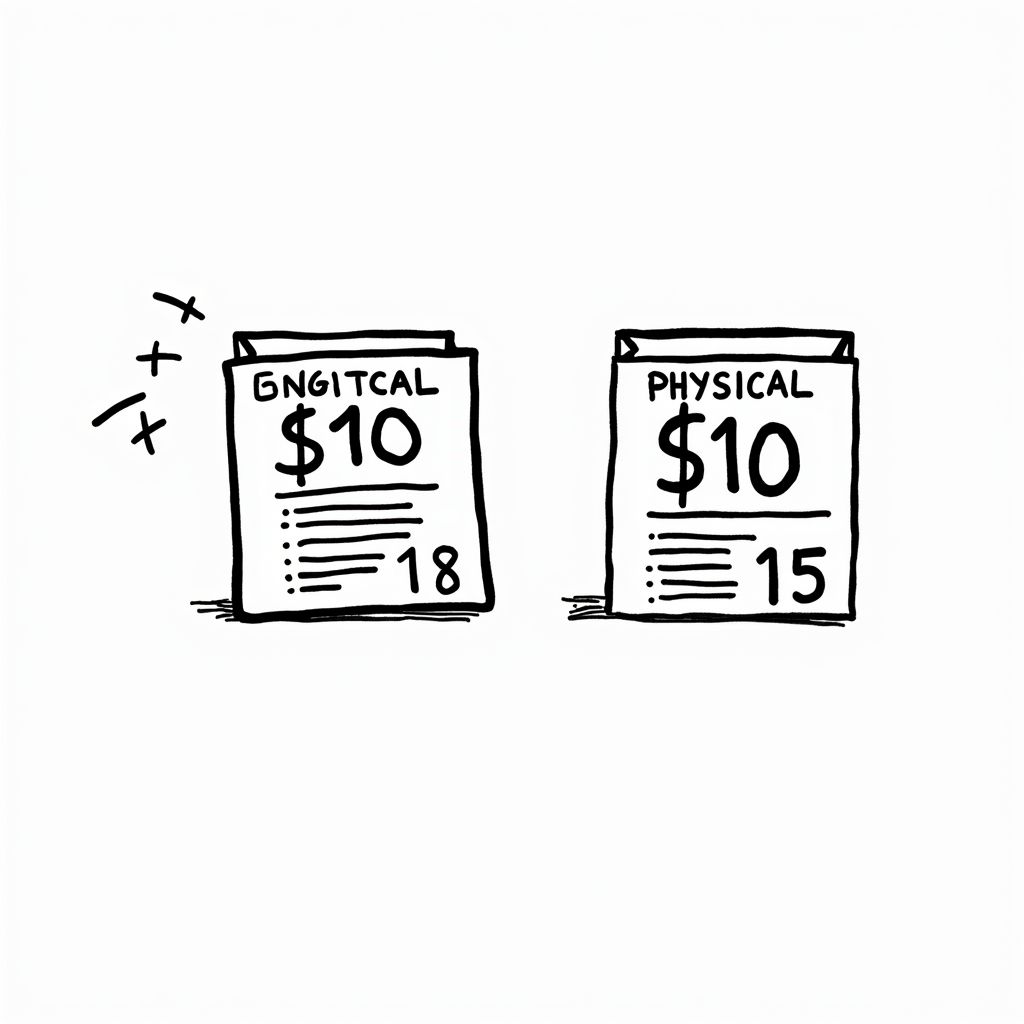
Nintendo is reshaping retail by pricing digital Switch 2 games $10 lower than physical copies. This strategic discount aims to aggressively drive higher-margin, direct-to-consumer sales.
A Strategic Shift in Software Pricing
On March 24, 2026, Nintendo addressed growing consumer inquiries by clarifying its new pricing model for the Switch 2 [1]. The initiative will officially debut in April 2026 with the release of Yoshi and the Mysterious Book [1]. Consumers in the United States will find the digital version of the game priced at $59.99, while the physical edition will carry a manufacturer’s suggested retail price of $69.99 [1][5]. This represents a 14.288 percent discount for the digital format relative to the physical version. To quell concerns about overall price hikes, Nintendo explicitly stated that “the cost of physical games is not going up” [1][2][5].
Navigating Hardware Headwinds
This software pricing maneuver arrives at a critical juncture for Nintendo’s hardware division. The Switch 2 initially enjoyed a robust market entry following its launch in June 2025, retailing at $450 in the U.S. and surpassing 17 million units sold worldwide within its first six months [3][4]. Early analytics indicated the console was selling approximately 77 percent faster than its predecessor in its first two months [6]. Buoyed by this momentum and the rapid success of exclusive titles like Pokemon Pokopia—which sold 2.2 million units in just four days—Nintendo upgraded its hardware forecast in November 2025, projecting 19 million global unit sales by the end of the fiscal year on March 31, 2026 [3][4].
Profitability and Market Pressures
The push toward digital sales appears to be a direct response to broader macroeconomic pressures squeezing Nintendo’s profit margins. In February 2026, Nintendo President Shuntaro Furukawa warned that long-term headwinds, including component shortages and necessary investments in artificial intelligence technology, could put significant pressure on the company’s profitability [3][4]. Additionally, the company is currently grappling with rising costs for semiconductors, international tariffs, and logistical disruptions affecting global trade [1].
Sources
- www.ign.com
- www.reddit.com
- www.gamedeveloper.com
- www.gamasutra.com
- www.gamedeveloper.com
- www.gamedeveloper.com