Iran Strikes Oman and Disrupts Key Oil Route, Sparking Global Energy Fears
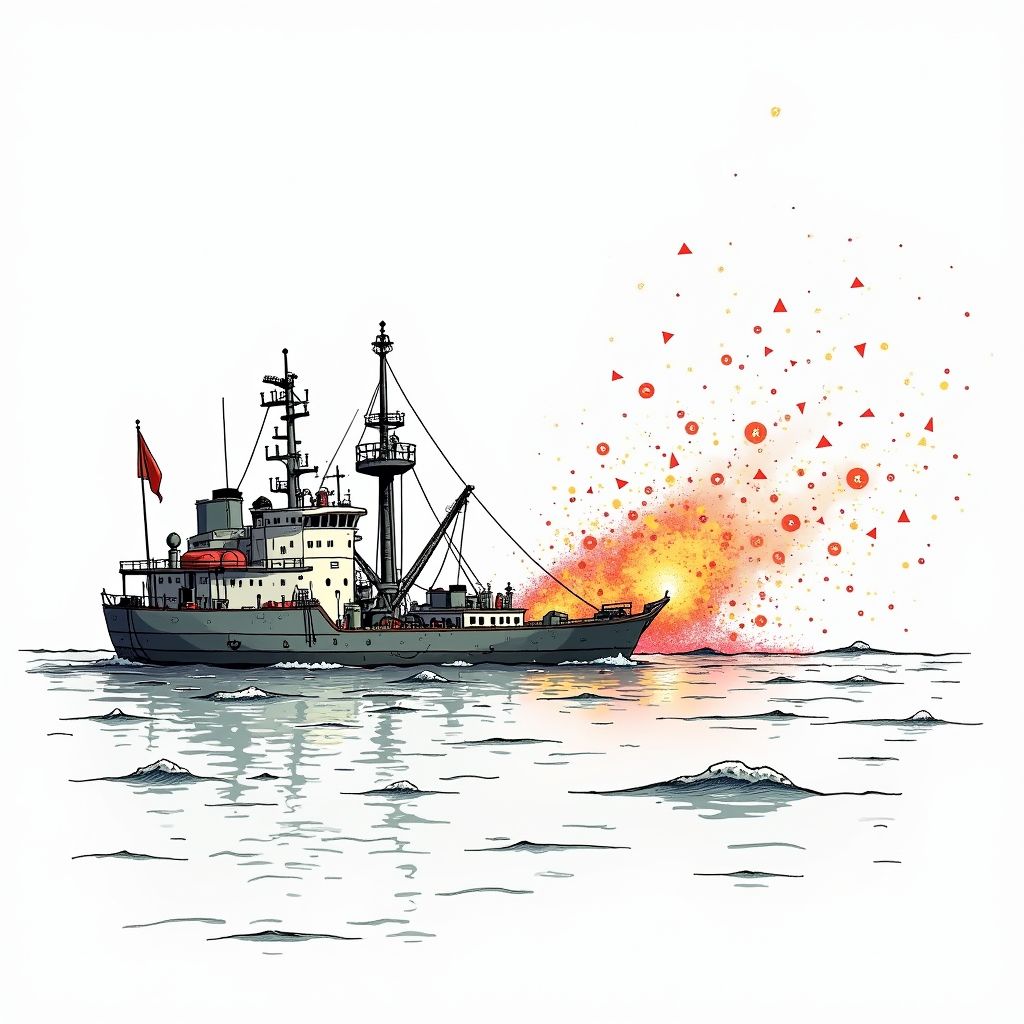
Muscat, Sunday, 1 March 2026.
In a historic escalation, Iran struck Oman and reportedly closed the Strait of Hormuz, threatening the transit of 20 percent of the world’s daily oil supply.
Escalation Beyond Military Targets
This dramatic expansion of the conflict follows earlier claims by Tehran regarding a missile strike on the USS Abraham Lincoln, a situation that had already placed markets on high alert [Previous Context]. However, the theater of war has now widened significantly to include critical commercial infrastructure. On Sunday, March 1, 2026, Iran struck the commercial port of Duqm in Oman, marking the first time the Sultanate has been directly targeted in this escalation [1]. This strike coincided with a maritime attack on February 28, where the Palau-flagged oil tanker Skylight was hit approximately 9.26 km north of Khasab Port, resulting in injuries to four crew members [2]. The violence has also reached other Gulf states; Qatar reported intercepting the majority of a barrage consisting of 65 missiles and 12 drones on Saturday, though falling debris injured eight people, while residential areas in Manama, Bahrain, sustained damage from drones and shrapnel [1].
Confusion Over the Strait’s Legal Status
A dangerous ambiguity now surrounds the Strait of Hormuz, the world’s most vital oil export route [3]. On February 28, the UK Maritime Trade Operations (UKMTO) agency acknowledged receiving multiple reports from vessel security officers that VHF Channel 16 broadcasts were declaring the strait closed to international navigation [3][4]. While the Islamic Revolutionary Guard Corps (IRGC) reportedly issued these declarations via radio on February 27, no official closure has been communicated through recognized maritime safety channels such as NAVAREA warnings [2][5]. Complicating the narrative, Iranian Foreign Minister Abbas Araghchi stated to Al Jazeera that Tehran has no intention of closing the strait or disrupting navigation, a diplomatic assertion that stands in stark contrast to the physical attacks and radio warnings experienced by mariners on the water [5].
Commercial Shipping Freezes Operations
Despite the lack of a formal blockade announcement, the commercial shipping industry has begun to treat the strait as a no-go zone. Following the attack on the Skylight, major logistics firms Hapag-Lloyd and CMA CGM suspended transits through the waterway or instructed their vessels to seek shelter as of February 28 [2]. Simultaneously, marine insurers have halted coverage for voyages in the area, a move that effectively closes the route for many operators regardless of the physical security situation [2]. Tracking data from Kpler confirmed this freeze, noting that at least 14 LNG tankers had slowed, stopped, or reversed course by February 28 [2]. Additionally, Iran reportedly prevented three vessels belonging to the Pakistan National Shipping Corporation from entering the strait [2].
Energy Markets Brace for Shock
The disruption of this chokepoint presents an immediate threat to the global economy. Barclays analysts warned on February 28 that a prolonged halt in traffic could block the transit of up to 20 million barrels of oil per day, constituting approximately 20 percent of the global supply [2]. As oil markets reopened on the evening of Sunday, March 1, speculation intensified that Brent crude could surge to reach $100 per barrel [2]. This economic pressure comes in the wake of US and Israeli strikes that killed Iranian Supreme Leader Ayatollah Ali Khamenei, an event that has pushed the region into uncharted territory [2][5]. As Gulf security analyst Anna Jacobs observed, the Gulf countries are now “on the front lines of this brutal war,” facing a reality where de-escalation appears increasingly difficult [1].