Amazon and US Postal Service Finalize Crucial Agreement to Maintain Delivery Volume
Seattle, Wednesday, 8 April 2026.
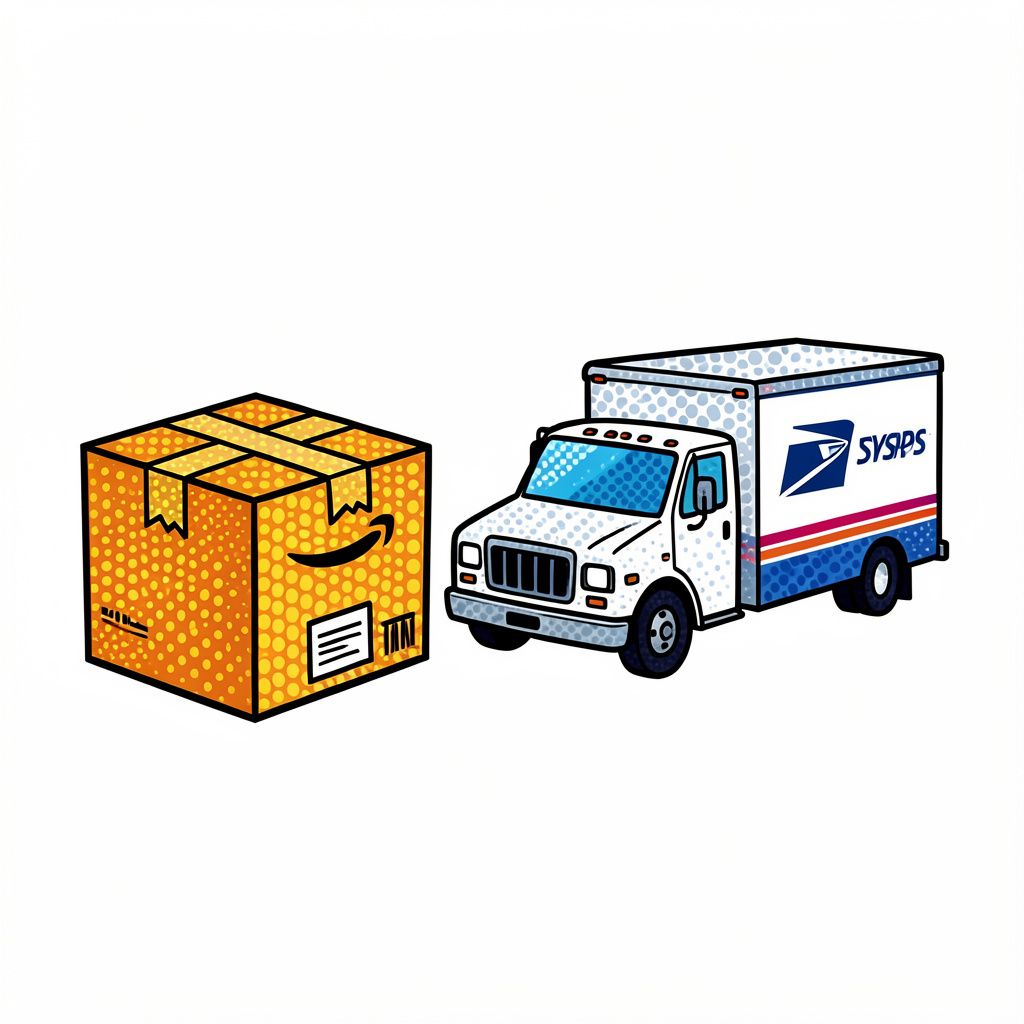
Averting a devastating revenue loss, the US Postal Service secured a new contract to retain 80% of Amazon’s delivery volume, providing a critical lifeline to the cash-strapped agency.
A Crucial Compromise for the National Mail Carrier
On Monday, April 6, 2026, Amazon (NASDAQ: AMZN) announced a tentative agreement with the United States Postal Service (USPS) [1][2]. The e-commerce giant will maintain approximately 80% of its existing delivery volume with the national mail carrier [1][2]. The previous contract between the two entities was scheduled to expire in September 2026 [2][3]. Before the new terms can be officially implemented, the agreement remains subject to approval by the federal Postal Regulatory Commission [2][3]. Amazon spokesperson Terrence Clark stated that the company is pleased to further the longstanding partnership and continue supporting its customers and communities [2].
Navigating Financial Peril and Failed Bidding Strategies
Securing this contract was an existential necessity for the USPS, which has reported net losses of $118 billion since 2007 [1]. The agency’s most profitable product, first-class mail, has plummeted to its lowest volume since the late 1960s [1]. The financial situation has become so dire that Postmaster General David Steiner recently warned the agency could run out of cash in less than a year, with projections ranging from October 2026 to early 2027 [alert! ‘Sources provide conflicting dates for the cash depletion warning; Reuters cites October while Transport Topics cites early 2027’] [1][2][4]. To mitigate rising fuel and transportation costs, the USPS is seeking a temporary 8% price hike for priority mail and packages, effective April 26, 2026, alongside a proposed increase for first-class stamps from $0.78 to $0.95 [1].
The Cost of Compromise and Rural Logistics Expansion
Although avoiding a two-thirds reduction is a victory for the USPS, the agreed-upon 20% volume cut will still inflict a substantial financial blow. Industry estimates suggest that losing one-fifth of Amazon’s business could result in more than $1 billion in lost revenue for the mail agency [3]. This shift highlights the e-commerce company’s increasing reliance on its own proprietary delivery infrastructure, particularly in areas traditionally dominated by the postal service [1][3].