US Steel Tariffs Drive Hot-Rolled Prices to $1,293 Per Ton
Des Moines, Sunday, 11 October 2026.
President Trump cited a proposed $15 billion Iowa steel plant as proof his 50% tariffs work, yet U.S. hot-rolled steel prices have surged to $1,293 per metric ton, triple Chinese levels.
US Steel Tariffs Drive Hot-Rolled Prices to $1,293 Per Ton
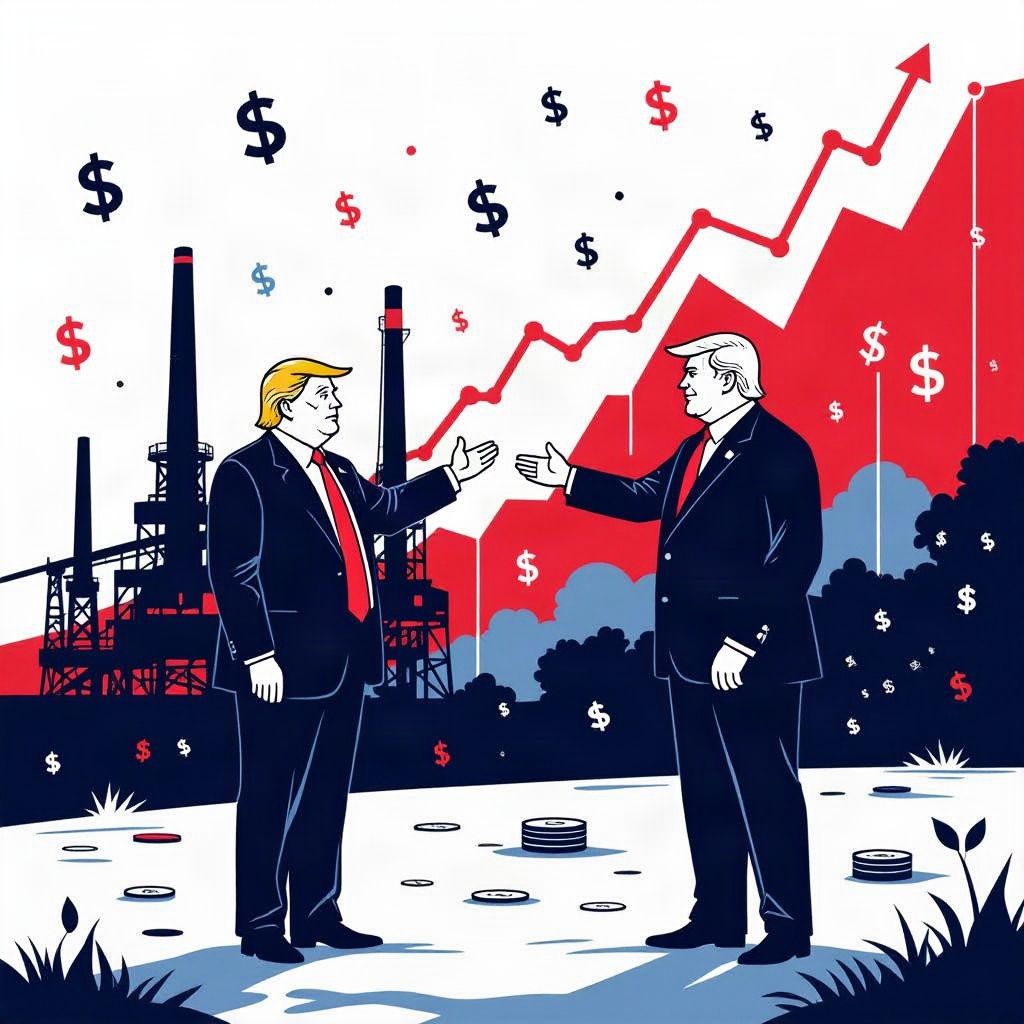
President Trump cited a proposed $15 billion Iowa steel plant as proof his 50% tariffs work, yet U.S. hot-rolled steel prices have surged to $1,293 per metric ton, triple Chinese levels [1][5]. As of early October 2026, domestic steel prices significantly exceed those in Western Europe, where costs sit at $842 per metric ton, creating a disparity of 451 dollars per ton [4][5]. This price divergence highlights the immediate economic trade-off between protecting domestic primary producers and burdening downstream industrial consumers with elevated input costs [3]. While the administration frames the Mesabi Metallics investment as a revival of American heavy industry, the financial mechanics rely heavily on trade barriers that isolate the U.S. market from global pricing norms [1][4].
Downstream Manufacturers Face Margin Pressure
The economic impact extends beyond primary steelmakers to manufacturers who consume steel as a critical input. Major industrial entities such as John Deere have incurred tariff-related costs exceeding $1 billion, directly impacting their operational margins [3]. Similarly, Whirlpool’s Amana plant has experienced production cuts and job reductions linked to the increased cost of raw materials [3]. The Producer Price Index for steel mill products has risen 46% since January 2025, reaching its highest level since the pandemic era [2]. This inflationary pressure threatens the competitiveness of Midwest manufacturing sectors that rely on affordable steel to maintain market share against international competitors who access cheaper raw materials [3][4].
Subsidies and Political Timing
The announcement of the Lee County facility coincides with midterm election cycles, positioning the $15 billion project as a tangible policy victory in a pivotal swing state [1][4]. To secure the investment, Iowa legislators convened a one-day special session on October 2, 2026, to approve nearly $1.36 billion in state incentives [2][3]. When analyzed against the projected 1,750 permanent jobs, the state incentive package averages 777142.857 per job, a figure that draws scrutiny regarding fiscal efficiency [2]. Commerce Secretary Howard Lutnick stated that without the tariffs, neither the mine nor the steel plant would be built, underscoring the dependency of the project on continued protectionist policy [2].
Long-Term Viability Concerns
Despite the fanfare, structural questions remain regarding the plant’s necessity and long-term viability. A 2018 memo from former Defense Secretary James Mattis indicated that U.S. defense requirements necessitate only approximately 3% of domestic steel production, suggesting broad-based tariffs may exceed national security needs [2]. Furthermore, Federal Reserve data indicates domestic iron and steel capacity utilization remains below historic averages, pointing to potential overcapacity if demand does not align with the proposed expansion [3]. The Mesabi plant, planned for completion by 2030, currently lacks finalized land agreements and permits, introducing execution risk to the projected economic benefits [3][4].