Trump Directs Justice Department to Expedite Cannabis Reclassification
Washington, Wednesday, 8 April 2026.
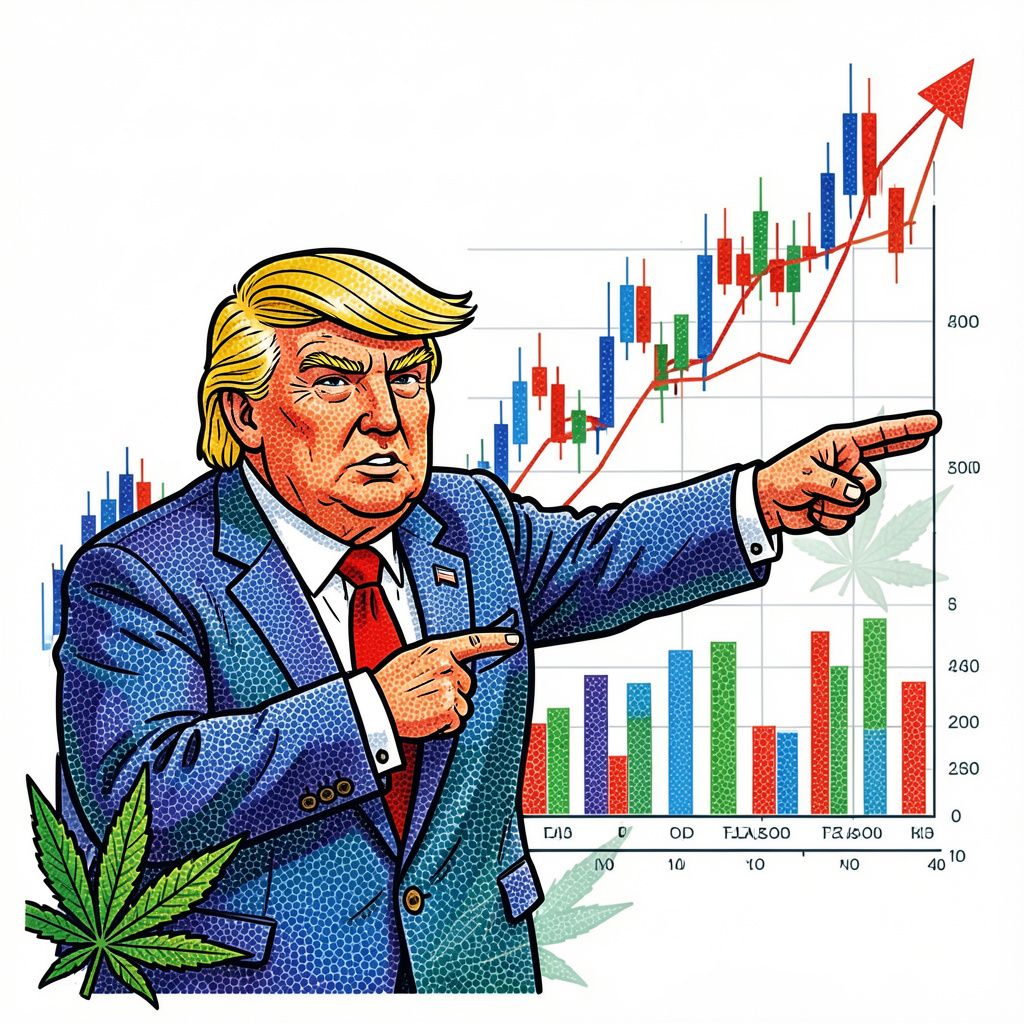
Following a Justice Department shakeup, President Trump ordered Acting Attorney General Todd Blanche to fast-track cannabis reclassification, sparking a 15% stock surge and accelerating crucial medical research timelines.
A Strategic Pivot at the Justice Department
On April 8, 2026, Republican President Donald Trump issued a clear directive to Acting Attorney General Todd Blanche: expedite the transition of marijuana from a Schedule I to a Schedule III controlled substance [1][GPT]. This executive push follows the abrupt dismissal of former Attorney General Pam Bondi, signaling a decisive shift in the administration’s approach to cannabis policy execution [2][3]. The foundation for this move was laid in the past on December 18, 2025, when President Trump signed an executive order instructing the Department of Justice (DOJ) to initiate the rescheduling process [2]. Industry insiders note that Blanche had already been actively drafting the final rescheduling rule during Bondi’s tenure, positioning him as an efficient executor for the administration’s current goals [2][3].
Market Euphoria and the 280E Tax Burden
The financial markets responded enthusiastically to the Justice Department shakeup. Following the news of Blanche’s appointment and parallel regulatory announcements, cannabis equities experienced a sharp rally, jumping between 15% and 20% (a variance of 5%) by the end of the first week of April 2026 [7]. Specifically, the AdvisorShares Pure U.S. Cannabis ETF surged by 16%, marking its most robust weekly performance since December 2025 [5]. This market optimism is deeply tied to the anticipated relief from Section 280E of the IRS tax code, a prohibitive measure that prevents cannabis businesses from deducting standard operating expenses [2][7]. As industry financial experts note, every extra month under the current Schedule I classification results in a significant cash drain for operators [7].
Advancing Botanical Medicine and FDA Oversight
Beyond retail and tax implications, rescheduling is poised to revolutionize clinical research and pharmaceutical development. On April 6, 2026, the Food and Drug Administration (FDA), under the leadership of Commissioner Dr. Marty Makary, announced it would exercise enforcement discretion for certain physician-directed, hemp-derived oral CBD products participating in a new Centers for Medicare & Medicaid Services (CMS) pilot program [5]. This signals a monumental pivot from retail-focused access toward a federally regulated, physician-directed medical framework [5].
Navigating a Divided Cabinet Ahead of the Midterms
Crafting a legally unassailable rescheduling rule is essential, especially given the opposition from prohibitionist groups. Smart Approaches to Marijuana (SAM), for example, filed an emergency restraining order within 24 hours of the CMS pilot program’s announcement, highlighting the litigious environment surrounding cannabis reform [1]. Furthermore, President Trump must navigate a deeply divided inner circle regarding cannabis policy [4]. While Health and Human Services Secretary Robert F. Kennedy Jr. is a vocal proponent of legalization and regulation, others, such as Defense Secretary Pete Hegseth and Senior Advisor Stephen Miller, maintain staunch opposition or deep skepticism toward the sector [4].