Utah Senate Committee Rejects Government-Managed Gold Payment System
Salt Lake City, Thursday, 19 February 2026.
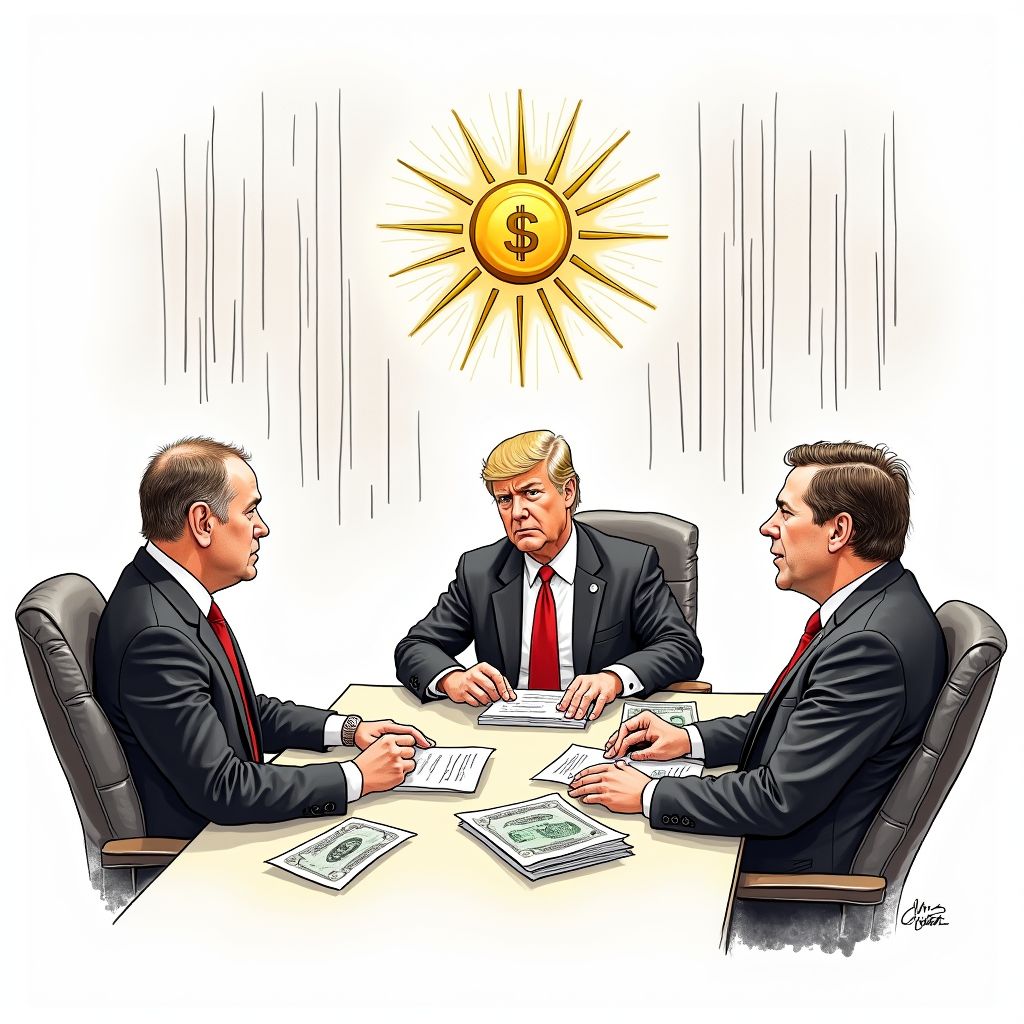
On February 17, 2026, Utah lawmakers defeated House Bill 195, rejecting a state-run transactional gold system for the second consecutive year. Despite Utah’s strong sound money ranking, advocates and legislators dismissed the proposal as a “government boondoggle,” arguing that precious metal ownership should remain outside state administration.
Legislative Resistance to State-Managed Currency
The rejection of House Bill 195 on Tuesday, February 17, 2026, by the Senate Government Operations and Political Subdivisions Committee marks a definitive pause in the push for state-administered digital currency alternatives in Utah [1]. The bill sought to implement a public-private partnership facilitating an electronic payment system backed by precious metals, a concept supporters argued would modernize specie tender [1]. However, the proposal faced stiff resistance from industry insiders who argued that such a system would introduce unnecessary government interference into a functional private market, with critics citing concerns over vendor tax favoritism and the imposition of burdensome regulations on small businesses [1].
Industry Opposition and Political Context
Opposition was led by key figures in the precious metals sector, including Kim Coleman of Goldback, Inc. and Stefan Gleason of Money Metals Exchange, who testified against the state’s involvement in gold ownership [1]. Jp Cortez, executive director of the Sound Money Defense League, characterized the bill as a “big government boondoggle,” praising the committee for recognizing the “sleight-of-hand arguments” presented by proponents [1]. This skepticism regarding implementation mirrors the rationale behind Governor Spencer Cox’s veto of a similar measure in 2025, reinforcing a legislative pattern that favors private sector solutions over state-run financial systems [1].
Diverging Paths for Sound Money Policy
While Utah has declined to adopt a transactional system, the state remains a significant player in the sound money movement, currently ranking 10th on the 2026 Sound Money Index [1]. The repeated rejection of HB 195 aligns Utah with a growing list of states—including Mississippi, South Dakota, Wyoming, and Idaho—that have turned away from government-run transactional gold schemes [1]. Advocates suggest that rather than building new payment infrastructure, legislative efforts in Utah should focus on deregulation, such as the full removal of capital gains taxes on gold and silver or the elimination of regulations on local dealers [1].
Investment vs. Transaction
Representative Fink argued that physical gold carries “no counterparty risk” and serves as a hedge against market disruption, a sentiment that resonated with committee members, including Representatives Contreras, Hernandez, and Cashel, who voted in favor [2]. This divergence between Utah and Arizona illustrates a nuanced shift in U.S. economic policy: while state governments appear reluctant to manage consumer-facing gold currencies, there is continued political appetite for integrating precious metals into sovereign investment portfolios [1][2].