Ukraine Pauses Helsing Drone Orders After Systems Fail Frontline Combat Tests
Kyiv, Tuesday, 20 January 2026.
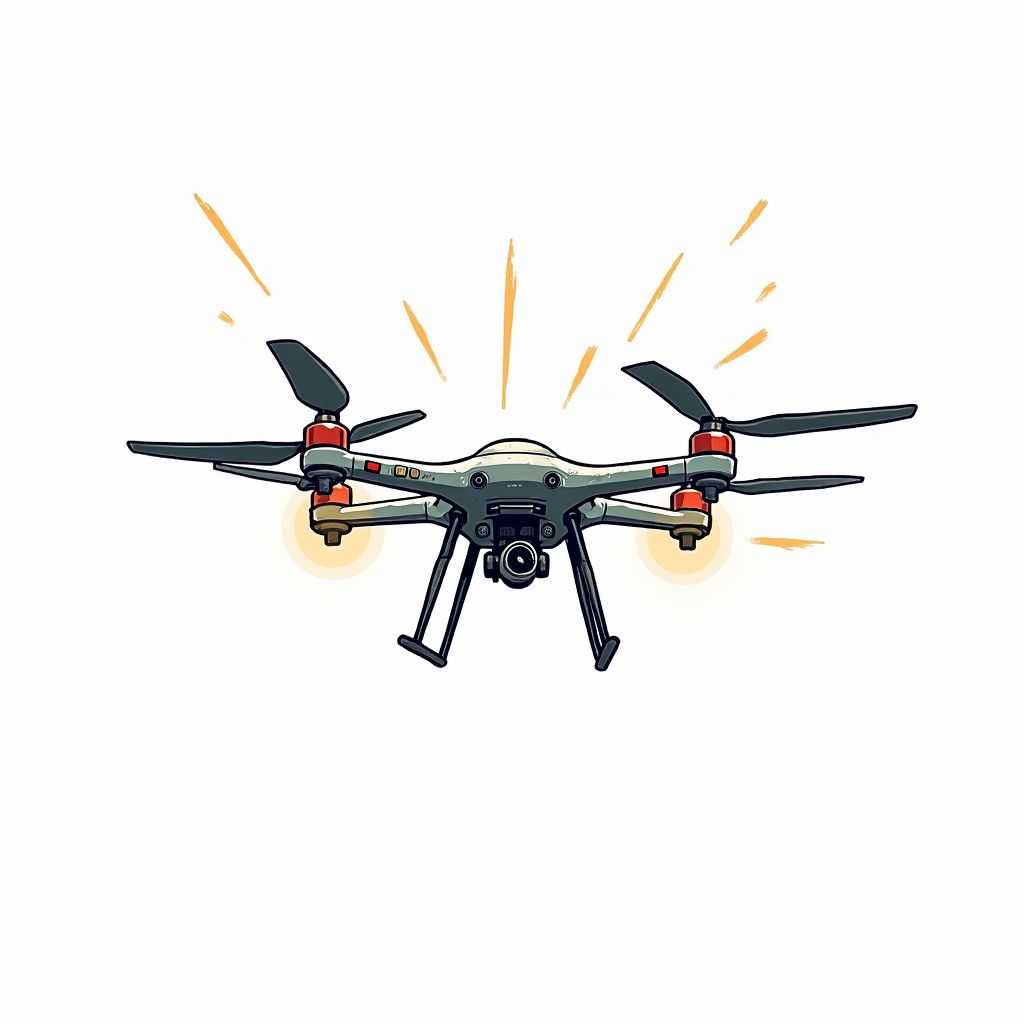
Ukraine has suspended procurement of the HX-2 strike drone from European defense unicorn Helsing following a classified German report revealing critical performance issues. In a significant reality check for the AI-defense sector, frontline tests by Ukraine’s 14th Regiment reportedly showed a launch success rate of just 25 percent, with units succumbing to electronic jamming and lacking promised autonomous capabilities. While Helsing disputes these findings, the pause highlights the stark contrast between laboratory-developed AI and the harsh demands of modern electronic warfare.
Technical Failures in the Fog of War
The decision to halt procurement stems from a confidential assessment by the German Defense Ministry, dated November 20, 2025, which detailed significant operational failures during trials conducted by Ukraine’s 14th Regiment [1][2]. Specifically, the report indicates that the HX-2 strike drone, Helsing’s flagship hardware product, suffered a launch success rate of only 25 percent in frontline conditions [2][6]. Furthermore, despite being marketed as an AI-enabled system capable of autonomous operation, the tested units reportedly lacked critical components for terminal guidance, midcourse navigation, and visual target acquisition [4][6]. These deficiencies proved critical when the systems faced Russian electronic warfare (EW); while Helsing claims its AI enables operation without a continuous data connection, jamming reportedly severed links with human operators, rendering the vehicles ineffective [5][7].
From Unicorn Valuations to Battlefield Realities
The suspension of orders places significant pressure on Helsing, which was valued at approximately €12 billion in June 2025, making it Europe’s most valuable defense technology startup [2]. The company had previously secured a contract in 2024 to supply 4,000 HF-1 drones, a predecessor model produced jointly with a Ukrainian partner [2][3]. However, logistics data indicates that 40 percent of the delivered HF-1 units remained in inventory, deemed too expensive and ineffective by Ukrainian forces, prompting a contract conversion to the newer HX-2 model [2]. Plans announced in February 2025 to produce an additional 6,000 HX-2 units for Ukraine are now in jeopardy, as the German government—which finances these acquisitions—has stated it will not place further orders until Kyiv expresses renewed interest [3][5].
The Gap Between Testing and Combat
This incident underscores the widening chasm between Western defense innovation and the realities of high-intensity warfare in Eastern Europe. While the HX-2 was unveiled in December 2024 with a strike range of 100 kilometers and advanced swarm capabilities, its struggles mirror those of other Western systems [3][4]. Reports from April 2024 indicated that US-made drones, including those from Skydio, faced similar technical glitches and repair difficulties when exposed to the dense electronic jamming environments of the Ukrainian front [4]. This performance contrasts sharply with earlier trials conducted in October 2025 with British and German military forces, where the HX-2 reportedly outperformed competitors in controlled environments [3]. As of January 2026, the future of this high-profile partnership remains contingent on the resolution of these technical disparities.
Sources
- www.bloomberg.com
- www.kyivpost.com
- defence-blog.com
- thedefensepost.com
- www.pravda.com.ua
- newsukraine.rbc.ua
- www.express.co.uk