South Africa Ends Power Blackouts, Yet Citizen Wealth Remains Below 2010 Levels
Johannesburg, Thursday, 4 June 2026.
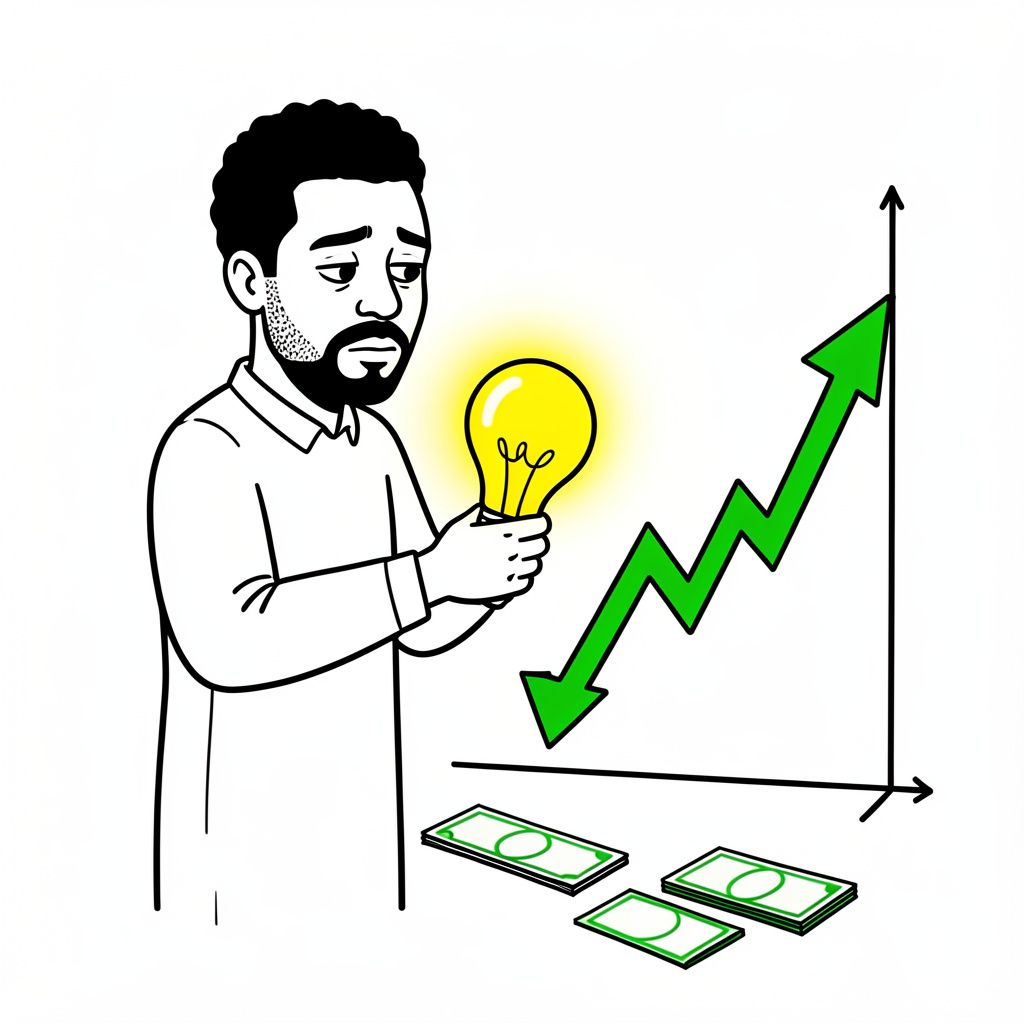
Despite reaching 300 consecutive days without power blackouts in early 2026, South Africa faces severe economic stagnation, with individual wealth remaining 4% lower than it was in 2010.
The Power Grid Stabilizes, but Growth Falters
On March 12, 2026, South Africa crossed a monumental threshold: 300 consecutive days without the rolling power blackouts known locally as load-shedding [1]. State utility Eskom achieved an energy availability factor of 65.85%, which allowed the company to slash its diesel expenditure by 57.35%, saving R8.58 billion year-on-year [1]. However, resolving the immediate energy crisis has not acted as a silver bullet for the broader economy. Despite the uninterrupted power supply, electricity generation actually contracted by 0.8% quarter-on-quarter in the first three months of 2026 [4]. Consequently, financial institutions like Nedbank project that real GDP growth for the first quarter of 2026 will slow to 0.2% quarter-on-quarter, down from 0.4% in the final quarter of 2025 [4].
Logistical Bottlenecks and Investment Drought
A primary culprit behind this persistent economic drag is the near-collapse of the nation’s logistical infrastructure. Transnet, the state-owned rail and port operator, moved only 160.1 million metric tons of freight in the 2024/25 period [1]. This marks a steep drop of -29.253% compared to the 226.3 million metric tons transported during the 2017/18 peak [1]. The maritime sector offers an equally grim picture. In the 2024 Container Port Performance Index, South African ports languished at the absolute bottom of 403 global facilities, with Durban ranking 403rd, Coega at 402nd, and Cape Town at 400th [1]. Such severe bottlenecks choke export capacity and deter multinational investment [GPT].
A Strained Labor Market and Consumer Pressures
The human cost of this macroeconomic inertia is most evident in the labor market. During the first quarter of 2026, the official unemployment rate climbed to 32.7% [1]. The economy shed 345,000 jobs, bringing total employment down to 16.8 million, while the ranks of the unemployed swelled by 301,000 to reach 8.1 million [1]. The crisis is particularly acute among the youth, with unemployment for individuals aged 15 to 34 surging to 45.8% [1]. Without robust industrial expansion and capital investment, absorbing this expanding workforce remains an insurmountable challenge [GPT].
The Road Ahead: Modest Recovery Expectations
Looking forward, macroeconomic forecasts suggest a prolonged, sluggish recovery rather than a rapid rebound. The International Monetary Fund projects a tepid real GDP growth rate of just 1.0% for the entirety of 2026 [1]. Domestic analysts offer marginally better outlooks, with Nedbank forecasting a 1.2% expansion for 2026 and Investec’s Annabel Bishop anticipating between 1.3% and 1.4% [4]. Official first-quarter GDP figures, scheduled for release on June 9, 2026, will provide the next critical pulse check on the economy [4]. Ultimately, while keeping the lights on is a prerequisite for a modern economy, South Africa’s path to restoring its 2010 wealth levels requires comprehensive structural reforms across its logistics, labor, and investment landscapes [GPT].