Early 2026 Economic Data Reveals Unexpected Job Declines and Rising Fuel Costs
Washington, Tuesday, 10 March 2026.
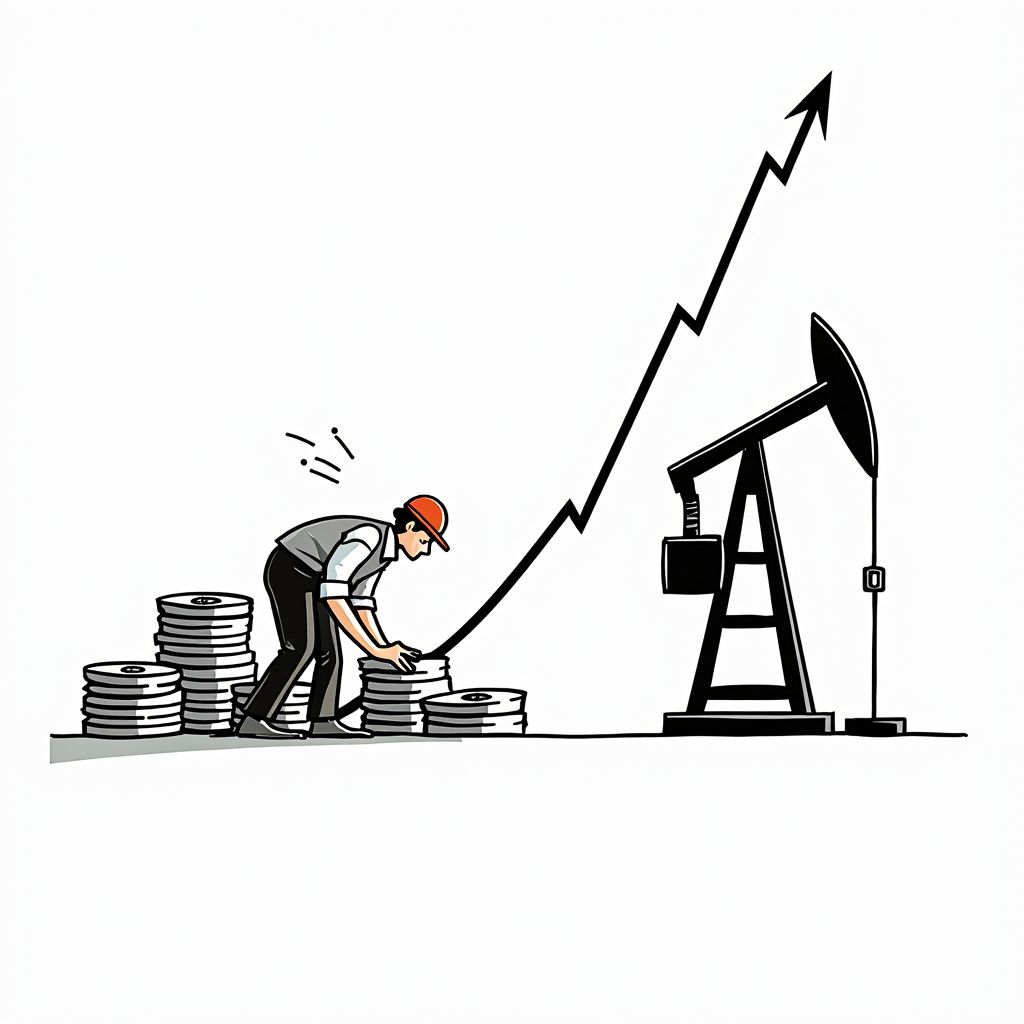
Despite promises of robust growth, the U.S. economy shed 92,000 jobs in February 2026. Coupled with oil surpassing $100 per barrel, these indicators signal unexpected economic headwinds.
Labor Market Reversals and Downward Revisions
The macroeconomic landscape of early 2026 has presented significant challenges, sharply contrasting with recent executive assertions. Less than two weeks before March 8, 2026, during his State of the Union address, President Donald Trump described the United States economy as “roaring like never before” [1]. However, the employment report released on March 6, 2026, painted a different picture, revealing a loss of 92,000 jobs in February [1]. This downturn follows an earlier social media post by the President on February 11, which celebrated a reported gain of 130,000 jobs in January 2026 [1].
Energy Shocks and Inflationary Pressures
Compounding the labor market’s sluggishness is a sudden spike in energy costs, driven largely by geopolitical instability. The ongoing conflict in Iran has catalyzed significant inflationary concerns regarding both oil and natural gas [1]. This geopolitical tension culminated in President Trump calling for Iran’s “Unconditional Surrender” [3]. The immediate economic fallout of this conflict was felt globally on Sunday, March 2, 2026, when crude oil prices surged past $100 per barrel (approximately 158.98 liters [GPT]) for the first time since 2022 [1].