Gulf Nations Positioned to Bridge $72 Billion Global Seafood Gap
Doha, Monday, 19 October 2026.
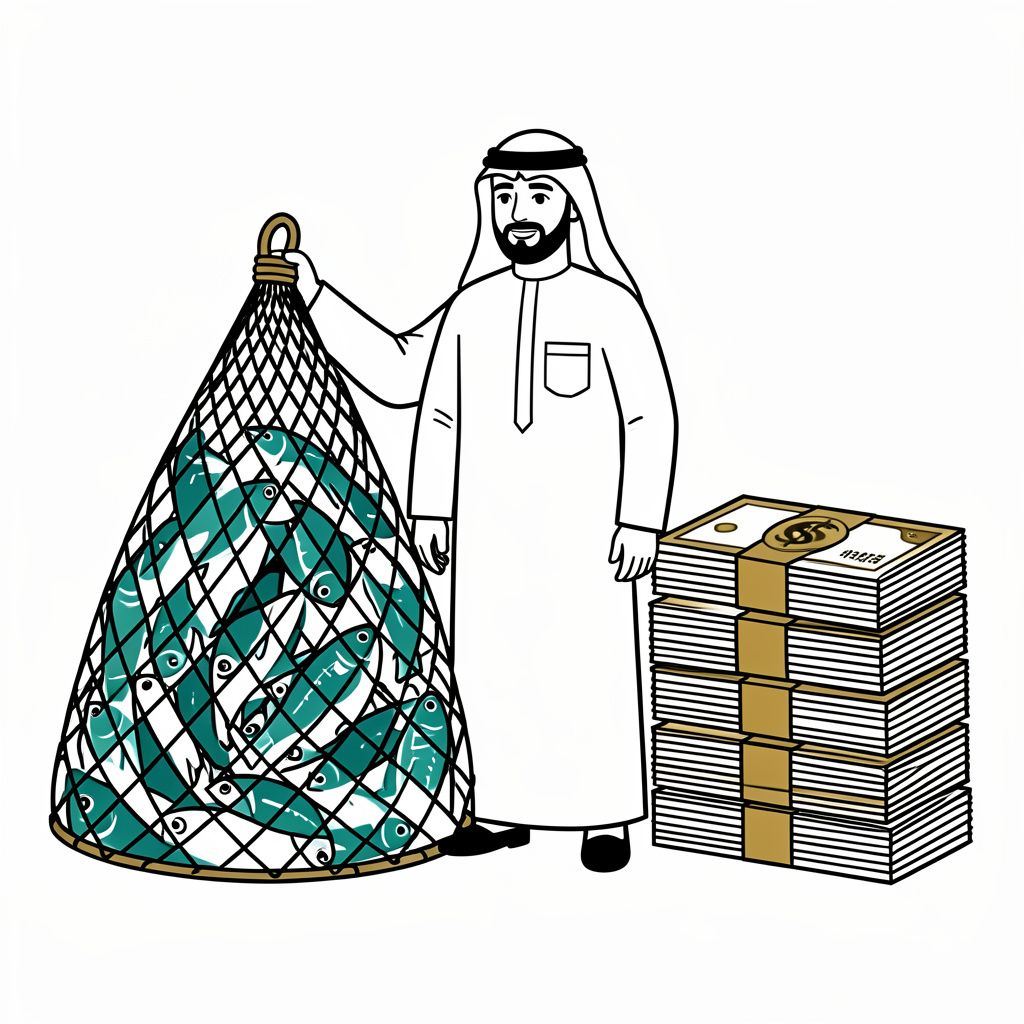
Aqua Development’s October 2026 report reveals a $72 billion inefficiency in global seafood supply, highlighting how Gulf nations can utilize advanced local farming to secure protein supplies.
Structural Inefficiencies in Global Supply
The inaugural Shrimp Report, published on 19 October 2026 by South Korean firm Aqua Development and backed by Rasmal Ventures, quantifies a USD 72 billion structural inefficiency within global aquaculture supply chains [1]. The analysis highlights that major seafood varieties are predominantly farmed at significant distances from primary consumption hubs, creating vulnerability in trade logistics and food security [1]. Aqua Development argues that Middle Eastern Gulf nations are uniquely positioned to leverage technological advancements in local aquaculture to close this trade deficit and capture market share in high-value seafood production [1]. The company’s proprietary modular design utilizes recirculating tanks and oxygenation systems to produce approximately 100 tonnes per hectare annually, a significant increase over the 3 to 20 tonnes typical of conventional ponds [1]. This yield difference represents a potential efficiency gain of 400 percent compared to the upper bound of traditional farming methods [1]. Furthermore, the technology operates without antibiotics or therapeutic chemicals, protected by patents valid until 2041 across Korea and the United States [1].
Regional Food Security Initiatives
Saudi Arabia’s Vision 2030 food-security program explicitly targets 80,000 tonnes of farmed shrimp production annually by 2030, a substantial rise from less than 30,000 tonnes across all species in 2020 [1]. To support this growth, Aqua Development has completed a 1,000-tonne farm in Mastorah, Saudi Arabia, financed by the Saudi Agricultural Development Fund [1]. Concurrently, the United Arab Emirates imports approximately 70 percent of its seafood and produces only about 1.6 percent of its shrimp domestically, highlighting the scale of the import reliance [1]. A pilot facility is currently operational in KEZAD, Abu Dhabi, developed in partnership with ADQ and co-funded by ADQ’s Growth Lab [1]. These initiatives reflect a broader regional shift where food security is treated as a defining investment theme, validating real market access before capital commitment [1].
Qatar’s Parallel Agricultural Push
In a parallel development, Qatar is implementing its National Food Security Strategy 2030, which targets a 30 percent increase in agricultural productivity through 96 hectares of climate-controlled greenhouses [3]. As of 2025, Qatar achieved 99 percent self-sufficiency in fresh poultry and dairy, 67 percent in fresh fish, and 47 percent in basic vegetables, according to the Ministry of Municipality [2]. On 16 October 2026, the Ministry marked World Food Day by emphasizing sustainable agricultural practices and modern farming technologies to conserve natural resources [3]. The strategy includes specific self-sufficiency targets for 2030, such as raising vegetable output to 55 percent and fresh fish to 80 percent [2]. Resource-efficiency targets by 2030 also include a 70 percent reduction in agricultural groundwater pumping and a 50 percent reduction in food waste [2].
Investment and Strategic Timelines
In an October 2026 address, the Emir of Qatar outlined a five-year investment plan valued at approximately USD 60.7 billion, encompassing infrastructure and public-private partnerships relevant to food and logistics sectors [2]. Shipping disruptions in the Strait of Hormuz earlier in 2026 prompted renewed emphasis on local production and strategic reserves as buffers against sea lane instability [2]. Doha is scheduled to host the UN Trade and Development World Investment Forum from 25 October 2026 to 27 October 2026, serving as a venue for engagement regarding national food security projects [2]. The convergence of private sector technology deployment and state-level strategic planning suggests a coordinated effort to mitigate long-term supply chain risks in the Gulf region [1][2][3].