US and Iranian Delegations Head to Pakistan for Crucial Peace Talks Following Historic Ceasefire
Islamabad, Wednesday, 8 April 2026.
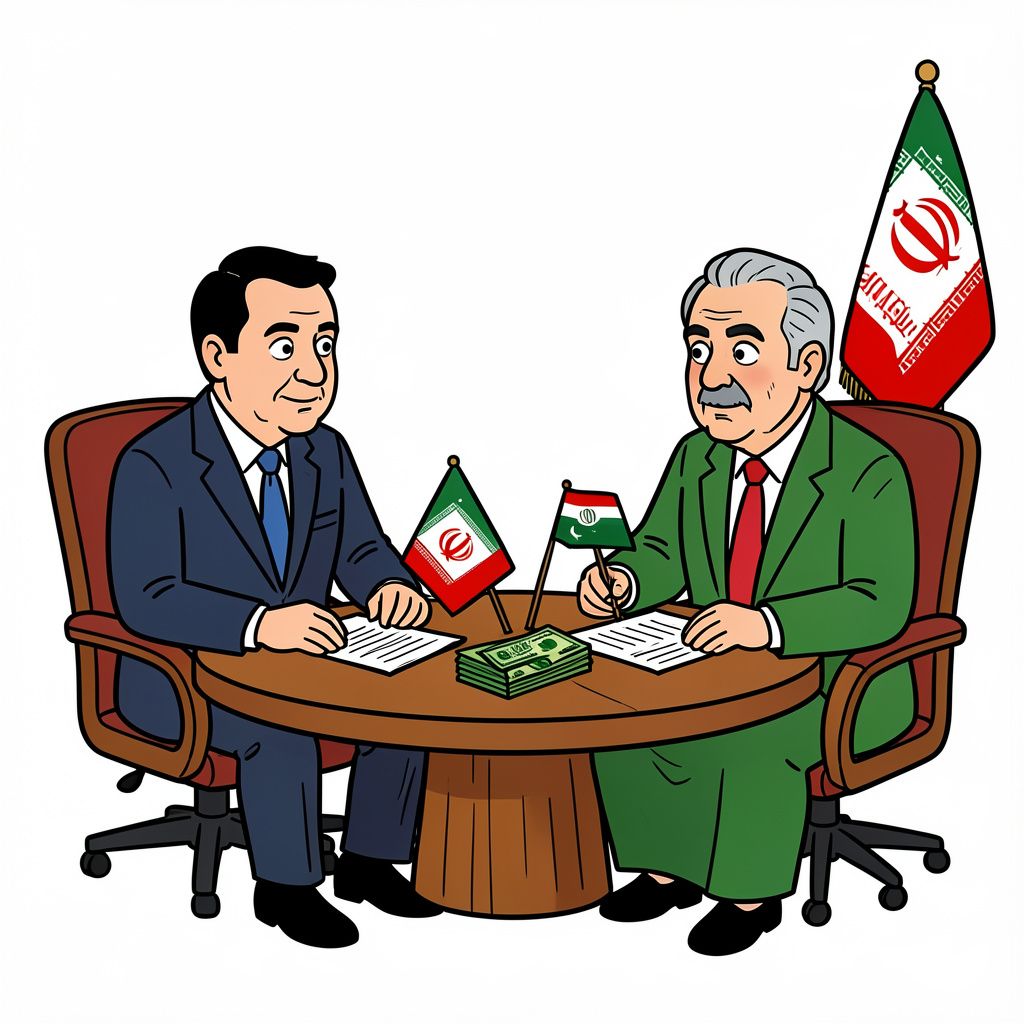
Following a surprising Pakistan-brokered ceasefire, top US and Iranian officials will meet in Islamabad this Friday. These historic negotiations hold critical implications for global energy markets and regional stability.
Navigating Immediate Crises
The diplomatic engagement comes at a highly volatile moment. Just hours after a fragile two-week ceasefire was announced on Tuesday, April 7, 2026, an attack on Iran’s Lavan Island oil refinery threatened to upend global energy markets [9]. Despite this immediate stress test, diplomatic channels remain actively engaged. A high-stakes summit is now confirmed to begin on Friday, April 10, 2026, marking a rapid diplomatic pivot just 3 days after the initial truce agreement [4][6]. This summit represents the first in-person negotiations between the United States and Iran since the conflict severely escalated in late February [4][5][7].
The Framework for Peace
The negotiations aim to transform the current two-week truce into a durable, long-lasting peace agreement [5][7]. A central framework for the discussions will be Iran’s 10-point proposal, which US President Donald Trump has indicated serves as a workable baseline, noting that the two nations have aligned on almost all points of contention [4]. This ambitious plan includes demands for Iranian control over the critical Strait of Hormuz, the withdrawal of US troops from the Middle East, compensation for war damages, the release of frozen assets, and the lifting of economic sanctions [4]. The conflict, which flared significantly following a joint US and Israeli attack on February 28, 2026, has been described by US officials as a nearly six-week military operation [1][4].
Market Implications and Strategic Priorities
Furthermore, Leavitt firmly dismissed reports that Iran had closed the Strait of Hormuz in retaliation for intensified Israeli bombing in Lebanon, emphasizing that the US expects the vital shipping lane to be reopened “immediately without limitation” [1]. The economic stakes of these differing interpretations are immense. For global financial markets, the unhindered operation of the Strait of Hormuz—a crucial artery for international oil shipments—remains the most closely watched metric, as any prolonged disruption could send energy supply chains into a tailspin [1][4][GPT].