Stephen Colbert's Late-Night Exit Highlights Media and Political Shifts
New York, Wednesday, 20 May 2026.
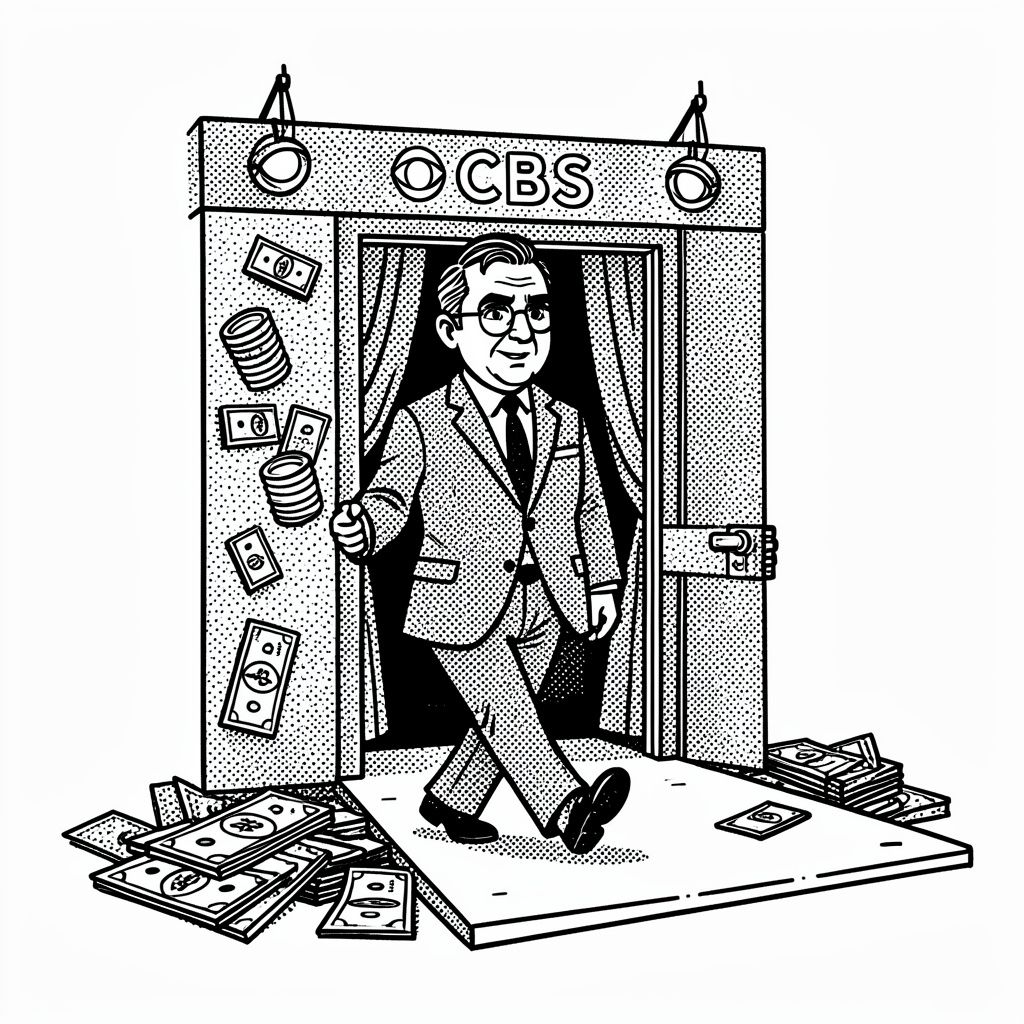
Stephen Colbert leaves CBS’s late-night stage this Thursday. His exit coincides with Paramount’s $16 million settlement with Donald Trump, sparking debate over whether politics or economics forced the cancellation.
The Economics and Politics of Late-Night Consolidation
The official end of Stephen Colbert’s tenure on “The Late Show” this Thursday, May 21, 2026 [alert! ‘Source 1 lists conflicting dates for Thursday, including May 20, 21, and 22’], marks the close of an era that began in 2015, concluding a run that lasted 11 years [1]. CBS announced the show’s cancellation in the summer of 2025, primarily pointing to the changing economics of television as traditional late-night formats struggle to compete against streaming and online content [4]. This structural decline in linear television viewership has driven intense corporate consolidation and cost-cutting across the broader media industry, creating uncertainty for legacy programming [4].
A Legacy of Political Satire and Cultural Impact
The abrupt nature of the cancellation, combined with the broader political climate, has drawn historical comparisons. Heather Hendershot, a professor of communication studies and journalism at Northwestern University, argues that the show’s legacy will be defined by its political friction, stating, “The legacy of this show needs to be that we remember it as the show that was canceled because a presidential administration wanted it off the air” [1]. This sentiment echoes the 1969 cancellation of “The Smothers Brothers Comedy Hour” by CBS, which was similarly axed due to its opposition to the Vietnam War and support for civil rights [1]. Furthermore, just two months after Colbert’s cancellation was announced, ABC temporarily suspended Jimmy Kimmel following remarks made about conservative commentator Charlie Kirk, highlighting a potentially tightening environment for late-night political commentary [1].
The Final Curtain Call and Future Endeavors
In the final days leading up to the series finale, the show has leaned into nostalgia and star-studded appearances. On Tuesday, May 19, 2026, Colbert welcomed an elite roster of guests, including filmmaker Steven Spielberg, comedian Jon Stewart, and musical guest David Byrne [2][3][5]. Stewart’s appearance was heavily promoted on social media, emphasizing his “dreams of brighter days ahead for our nation and its electorate” [4]. This followed a reflective episode on May 18, ironically titled “The Worst of The Late Show with Stephen Colbert (Not a Clip Show!)” [2]. Earlier in the month, the show hosted a “Strike Force Five” reunion featuring fellow late-night hosts Jimmy Fallon, Jimmy Kimmel, Seth Meyers, and John Oliver, who had previously collaborated on a podcast during the Hollywood strikes [1][2].