National Grid Advances Major North Wales Infrastructure Overhaul
Bangor, Thursday, 22 January 2026.
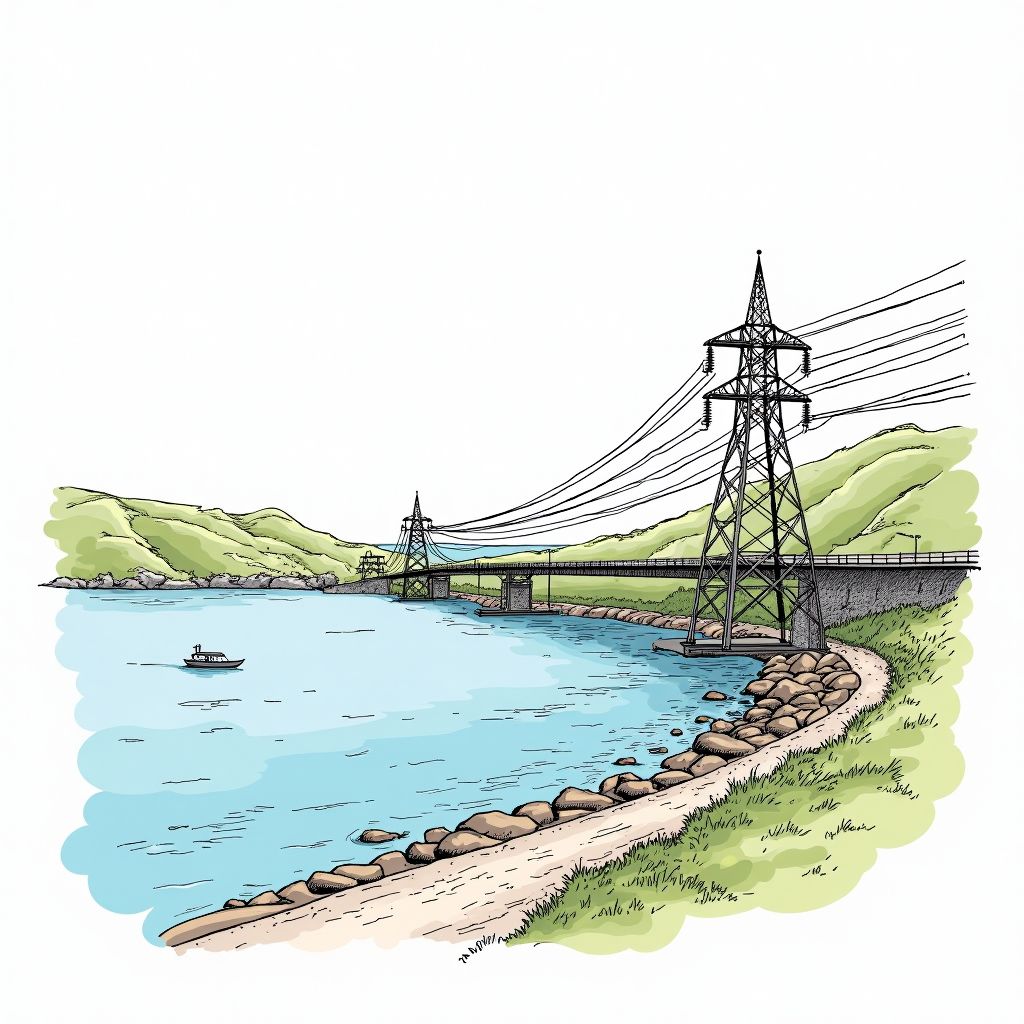
Validated plans for the Pentir to Trawsfynydd project include routing cables under the Glaslyn Estuary, a crucial step in modernizing the grid for 2030’s renewable energy demands.
Regulatory Validation and Project Scope
National Grid (NYSE: NGG) has cleared a necessary procedural hurdle in its bid to modernize the North Wales energy infrastructure. The company confirmed that planning applications submitted in early December to Gwynedd Council and the Eryri National Park Authority have now been validated [1][4]. This validation serves as an initial compliance check, verifying that all required documentation and assessments are complete before the proposals move to the formal processing stage [1][2]. The initiative focuses on reinforcing and refurbishing the high-voltage electricity network between Pentir and Trawsfynydd, a critical corridor for the region’s power supply [1][3].
Strategic Grid Modernization
This North Wales project functions as a component of “The Great Grid Upgrade,” a comprehensive overhaul of the UK’s electricity network intended to meet rising demand [1][2]. Beyond increasing capacity, a key financial and operational objective is the reduction of “constraint costs”—expenses incurred when the grid lacks the physical capacity to transport available power to areas of demand [1][4]. By alleviating these bottlenecks, the utility aims to facilitate a more efficient flow of clean energy to homes and businesses, supporting the broader transition to a low-carbon economy [1][3].
Timeline and Implementation
With the planning applications now validated, National Grid anticipates receiving decisions from the local authorities early this year [1][4]. Subject to these approvals, the company has scheduled construction to commence in the summer of 2026 [1][3]. The timeline projects that the upgraded network will be fully operational by 2030, aiming to deliver long-term energy security and economic benefits, including job creation, to the region [1][2]. This schedule follows a period of public engagement, including information events held in May and statutory consultations in September, which helped refine the submitted plans [1][4].