Iran’s Economic Collapse Ignites Historic Nationwide Protests
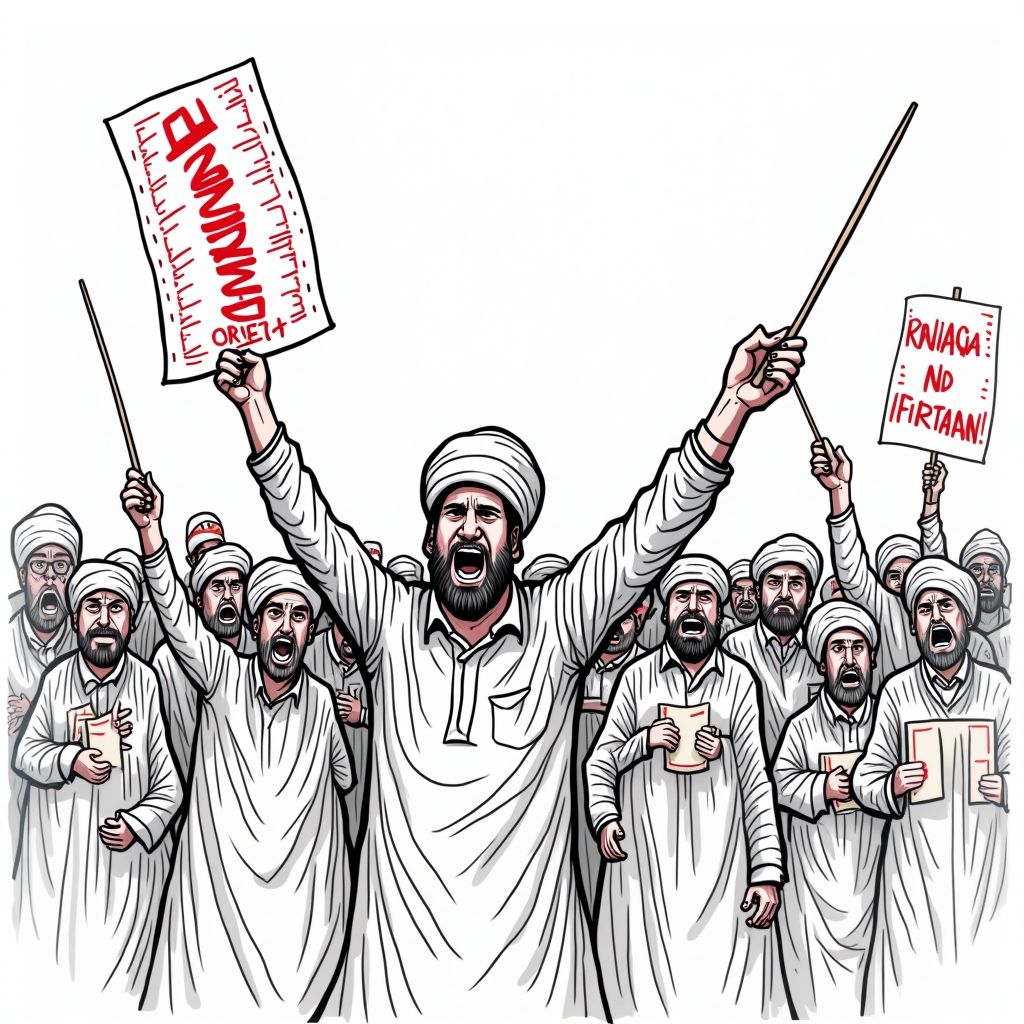
Tehran, Friday, 16 January 2026.
As purchasing power plummets 90 percent, citizens now finance staples like cooking oil in installments, driving widespread unrest that signals the regime has entered survival mode.
The Arithmetic of Despair
The economic indicators emerging from Iran paint a picture of a society pushed beyond its breaking point. Over the past eight years, the purchasing power of the average Iranian has evaporated, collapsing by over 90 percent, while the exchange rate for the U.S. dollar has skyrocketed by 3,300 percent [1]. This hyper-inflationary environment, currently hovering around 50 percent [1], has forced the middle class below the poverty line and necessitated humiliating financial coping mechanisms. Reports confirm that citizens are now paying for basic necessities like cooking oil in installments and, due to soaring housing costs, some have resorted to sleeping on rooftops [1]. With youth unemployment standing at 19.7 percent [1], the economic horizon offers little hope for the next generation, fueling the demographic engine of the current unrest.
Policy Triggers: A Crisis of Mismanagement
The immediate catalyst for the current explosion of anger, which began on December 28, 2025, in Tehran’s Grand Bazaar [1][2], was a controversial budget bill that laid bare the regime’s priorities. The government proposed a staggering 67 percent increase in gasoline prices [1] while simultaneously allocating 210 trillion tomans ($2.32 billion) to security forces—nearly 6.774 times the 31 trillion tomans ($365 million) designated for religious institutions [1]. Furthermore, the planned elimination of the preferential exchange rate of 28,500 tomans per dollar for essential goods threatens to be catastrophic. Moving to the open-market rate of 147,000 tomans per dollar represents a potential price surge of 5.158 times for basic commodities [1]. This looming hyper-inflationary shock has dissolved any remaining public trust, with parliament members openly denouncing the disappearance of $7 billion in oil revenue [1].
From the Bazaar to a National Uprising
What began as a strike by merchants in the capital has rapidly metastasized into the largest anti-government movement since 2009, spreading to over 180 cities across 31 provinces [2]. As of January 16, 2026, the protests have persisted for 19 days, uniting diverse social strata including students, truck drivers, and bazaar merchants [2]. The slogans have shifted from economic grievances to explicit calls for regime change, with chants supporting the Pahlavi dynasty and rejecting the Islamic Republic’s ideology [2]. Opposition figures like Reza Pahlavi have called for coordinated strikes, which have been widely observed, further paralyzing an economy already teetering on collapse [2]. The scale of dissent is such that Iranian officials have privately admitted the system has entered a “state of survival,” facing a crisis of legitimacy that lethal force is struggling to contain [1][2].
The Regime’s Violent Last Stand
The state’s response has been brutal and militarized. While the Islamic Republic claims between 2,000 and 3,000 deaths, opposition groups and international media estimate the toll could be as high as 12,000 to 20,000, with over 16,700 protesters arrested [2]. To bolster its crackdown, the regime has reportedly deployed approximately 800 Iraqi Shiite militants and utilized Afghan Fatemiyoun Division forces to suppress the population [2]. Information flow has been severed through severe internet and telephone blackouts [1][2]. Internationally, the stakes have escalated, with U.S. President Donald Trump threatening a 25 percent tariff on countries trading with Iran and warning of intervention if the violence against peaceful protesters continues [2]. Amidst this chaos, intelligence reports suggest that Supreme Leader Ali Khamenei has contingency plans to flee to Moscow should the security apparatus fail to hold [2].