How AI Fearmongering Threatens to Trigger a Global Tech Talent Shortage
Cambridge, Saturday, 16 May 2026.
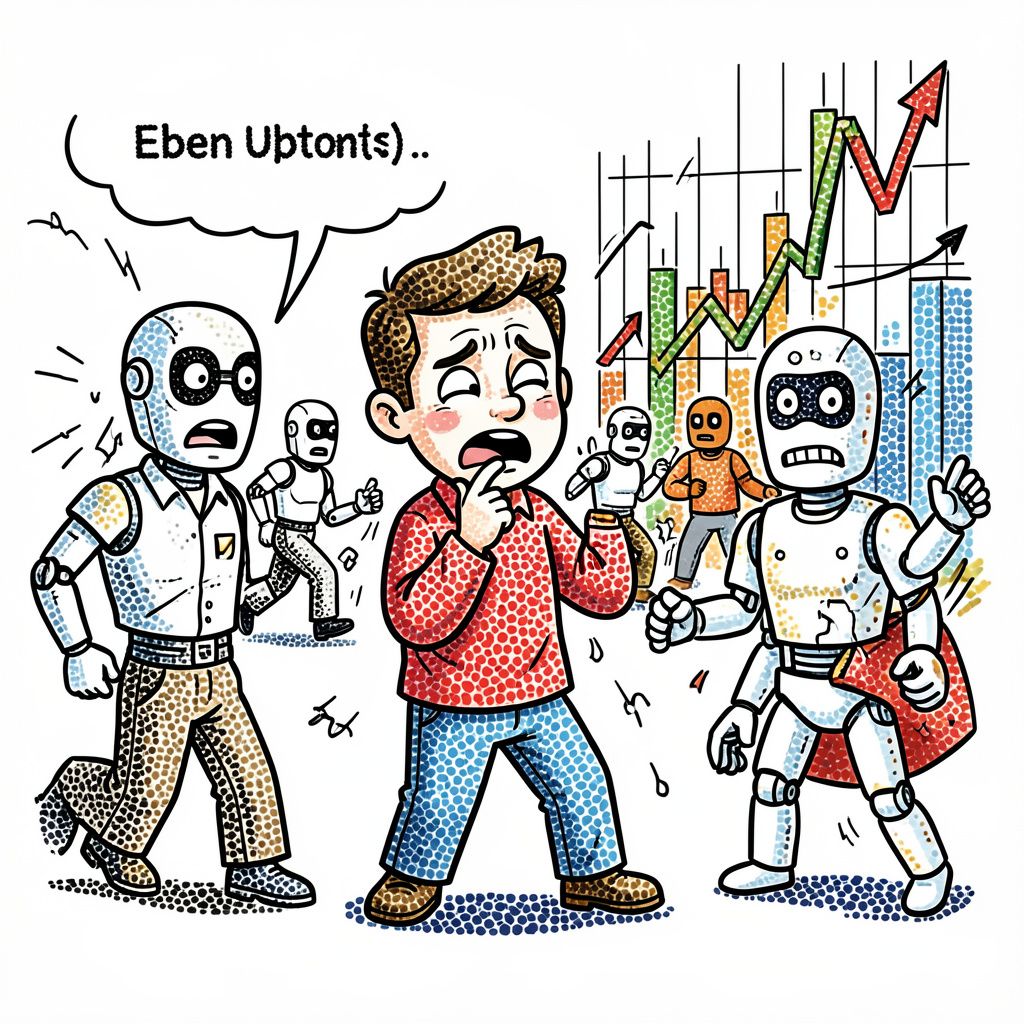
Raspberry Pi CEO Eben Upton warns that exaggerated fears of AI replacing developers could deter young talent, ironically creating a severe tech labor shortage that threatens the broader economy.
The Paradox of AI Job Fears
In 2026 alone, the technology sector has witnessed over 100,000 layoffs, a trend that major corporations like Amazon, Meta, and Microsoft have partially attributed to the rapid integration of artificial intelligence [1][2]. This wave of redundancies has fueled a narrative that AI tools will soon render junior programming roles obsolete [2]. However, Eben Upton, the founder and CEO of Raspberry Pi, argues that this widespread anxiety is a dangerous miscalculation [1][3]. Upton warns that overestimating the autonomous capabilities of AI is already discouraging young people from pursuing computer science degrees [3]. By believing that machines will automate all coding tasks, future talent is being deterred, a phenomenon Upton cautions will “distort people’s choices in ways that make that skill shortage worse and not better” [1][2].
Macroeconomic Stakes and Manufacturing Realities
The implications of this potential talent drought extend far beyond the technology sector, threatening broader macroeconomic stability [1]. Upton predicts that if the transition is managed correctly, AI-driven productivity enhancements could ignite a sustained economic boom lasting until the early 2040s [3]. However, realizing this growth requires a steady supply of skilled engineers [2]. The UK government has recognized this necessity, advancing its National AI Strategy with investments aimed at research, development, and upskilling the domestic workforce [3]. Yet, critics point out that these top-down strategies often prioritize attracting international talent over nurturing homegrown skills [3].
Educational Bottlenecks and the Path Forward
To avert a compounding crisis, industry leaders are calling for immediate educational reforms. Upton established Raspberry Pi in 2012 specifically to combat a decline in computer science applications at Cambridge University and to engage youth in computing [1][2][4]. Today, his advice to students navigating the AI landscape is simple: “do more maths” [4][6]. Upton describes engineering as a highly rewarding field where professionals are paid to experiment and “mess about,” emphasizing that deep technical understanding is becoming more valuable, not less [4][6]. He advocates for educational models that focus on the creative and problem-solving elements of coding, alongside corporate investments in apprenticeships [3].
Sustaining the Innovation Pipeline
Ultimately, the true impact of artificial intelligence on the global labor market remains to be seen [alert! ‘Predicting exact macroeconomic outcomes of AI adoption over the next decade remains highly speculative’]. Upton suggests that it may take five to ten years before the industry can accurately assess the long-term consequences of AI integration [2]. In the interim, the immediate danger lies in allowing fear to dictate career choices [1][2].
Sources
- www.bbc.com
- www.techradar.com
- thesiliconreview.com
- www.bbc.co.uk
- medium.com
- www.linkedin.com
- www.raspberrypi.org
- www.aol.com