Mexican Forces Capture Presumed Jalisco Cartel Successor Amid Extradition Demands
Tepic, Tuesday, 28 April 2026.
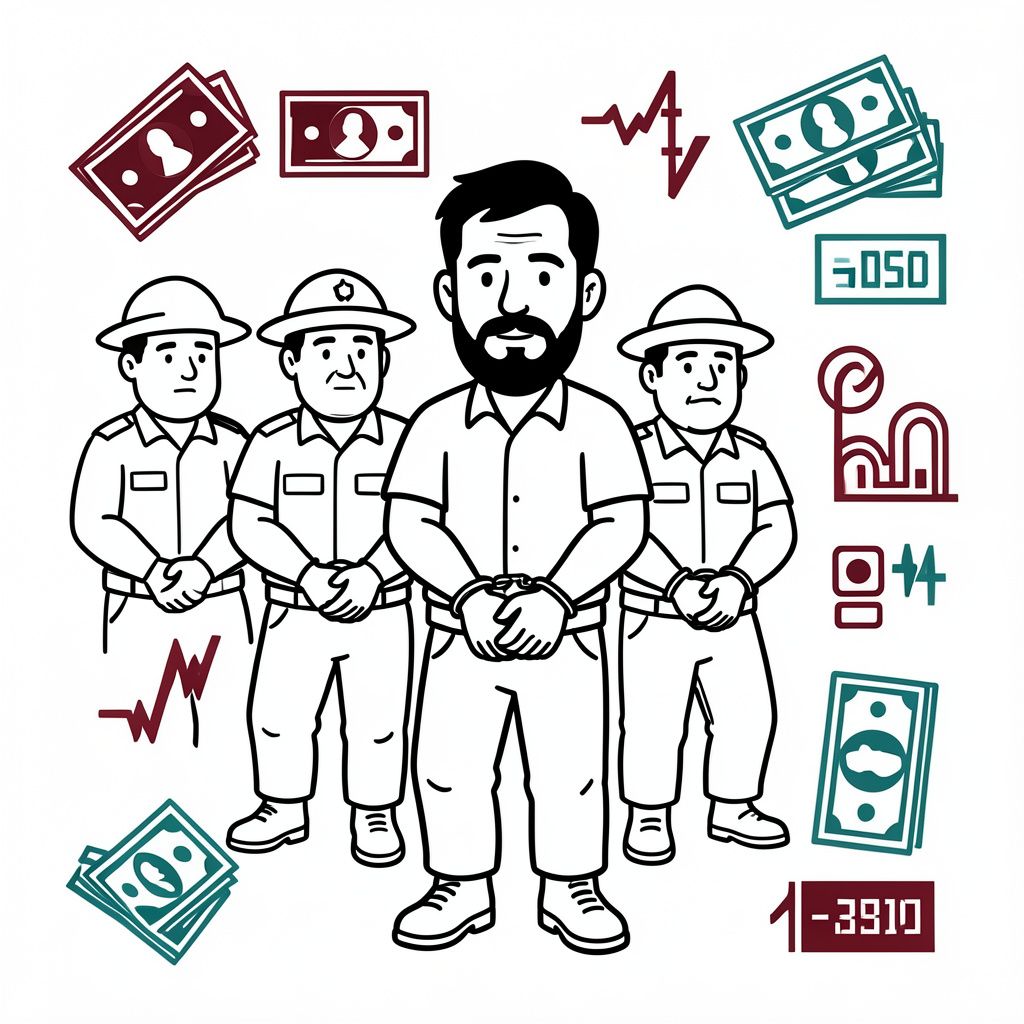
Mexican forces captured Audias Flores Silva, the presumed successor to the Jalisco cartel. Facing a $5 million U.S. bounty, his arrest could disrupt regional security and cross-border trade.
Operational Details of the Capture
The apprehension of Audias Flores Silva, widely known by his alias “El Jardinero,” was executed through a high-precision tactical maneuver by the Special Forces of the Mexican Navy (Secretaría de Marina, or SEMAR) in the state of Nayarit [2][4]. Mexican Secretary of Security and Civilian Protection, Omar García Harfuch, officially confirmed the arrest, praising the discipline and bravery of the naval operatives involved [4][6]. While official reports present slight discrepancies regarding the exact day of the operation—with some statements citing Sunday, April 26, and others Monday, April 27, 2026—the consensus confirms that Flores Silva is now securely in federal custody [alert! ‘Minor discrepancies exist in official reports regarding the exact date of the arrest, varying between April 24, April 26, and April 27, 2026’][1][2][5][6].
The Fall of ‘El Mencho’ and Cartel Succession
The timing of this operation is particularly significant for the internal dynamics of the Jalisco New Generation Cartel (CJNG) and the broader security landscape of Mexico [GPT]. The arrest occurred roughly two months after the reported death of the cartel’s foundational leader, Nemesio Oseguera Cervantes, alias “El Mencho,” in late February 2026 [1][2]. Following Oseguera’s demise, Flores Silva was widely regarded as the natural successor and the new primary figurehead within the cartel’s hierarchy [2][4].
International Repercussions and Extradition
The economic and logistical impact of Flores Silva’s network extended deep into the United States, making his extradition a top priority for American authorities [4][5]. Narcotics trafficked under his supervision were distributed to cartel cells across multiple U.S. states, including California, Texas, Illinois, Georgia, Washington, and Virginia [1]. Consequently, the U.S. government had offered a substantial financial incentive of $5 million for information leading to his capture [1][4][6].
Sources
- www.infobae.com
- www.elfinanciero.com.mx
- www.nmas.com.mx
- voxpopulinoticias.com.mx
- www.instagram.com
- www.instagram.com