Grocery giant lowers profit goals after hackers deliberately heat store freezers
Zaandam, Wednesday, 4 November 2026.
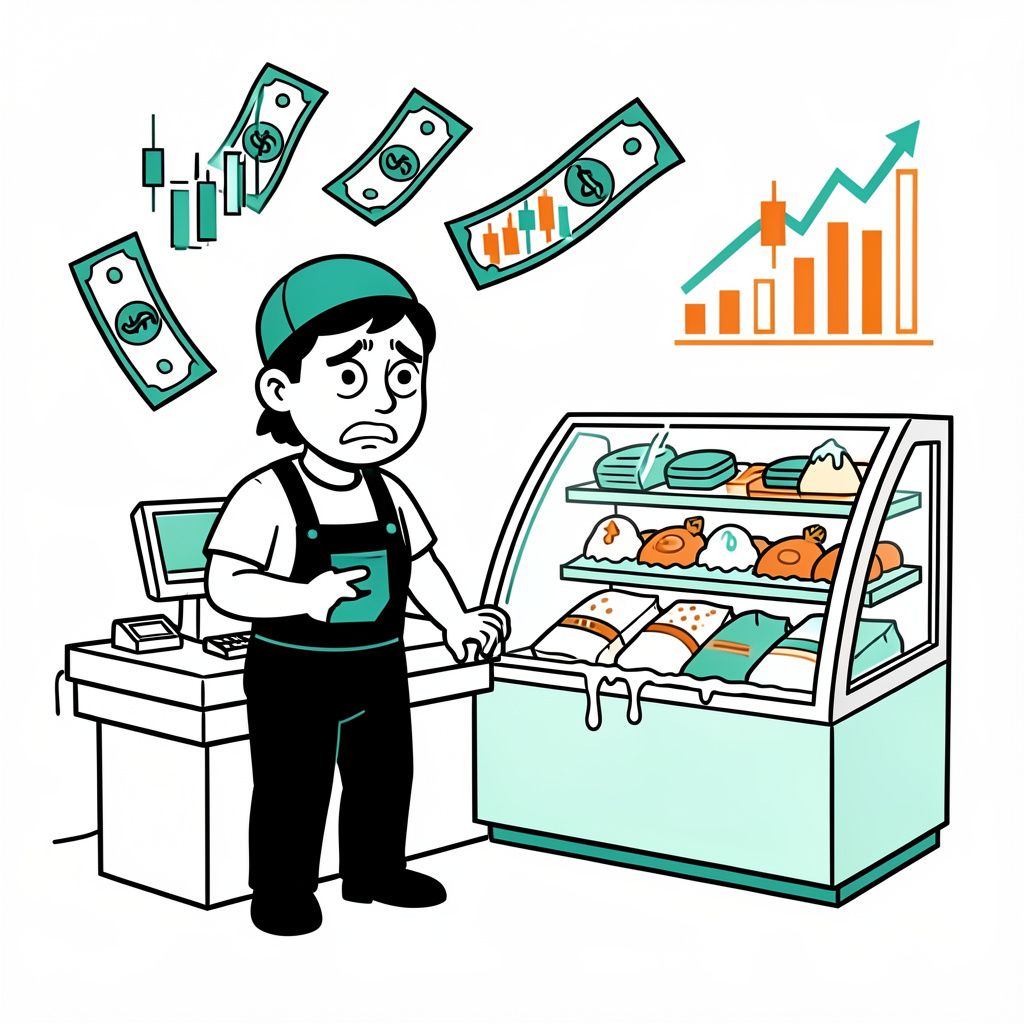
Ahold Delhaize reduced its annual financial targets after cyberattacks remotely switched supermarket freezers to defrost mode across Europe, spoiling food inventory despite the company maintaining a planned share buyback.
Cyberattack Disrupts European Operations
On October 26, 2026, a coordinated cyberattack targeted refrigeration systems across Europe, remotely switching freezers to defrost mode in a deliberate act of sabotage [2][4][7]. The attack, which affected supermarket chains including Ahold Delhaize, Colruyt, ICA, and Coop, caused temperatures in affected units to spike to approximately 50°C [2][3][7]. In Belgium and Luxembourg alone, dozens of Ahold Delhaize locations experienced disruptions, forcing the disposal of spoiled inventory and triggering operational recovery efforts [2][7][9].
Financial Impact on Ahold Delhaize
In response to the cybersecurity incident and its operational fallout, Ahold Delhaize (ADRNY / AMS: AD) announced a reduction in its full-year financial outlook during its November 4, 2026 third-quarter earnings report [1]. The company revised its underlying earnings per share (EPS) growth guidance to the low end of the single-digit range—previously expected in the mid-to-high end—citing lost revenue and remediation costs [1]. Similarly, the underlying operating margin was adjusted to approximately 4%, down from prior expectations, while free cash flow forecasts were lowered to approximately €2.1 billion, reduced from at least €2.3 billion [1].
Operational Resilience and Recovery Efforts
Despite the financial setback, Ahold Delhaize demonstrated operational resilience by maintaining a planned €1 billion share buyback program, set to commence in early 2027 [1]. The company also indicated its intention to increase the 2026 dividend per share at an average single-digit rate, reflecting confidence in long-term cash flow stability [1]. CEO Frans Muller emphasized that strong cost discipline and execution of the ‘Save for Our Customers’ program had supported a healthy underlying operating margin, enabling the absorption of cost pressures, including those exacerbated by higher fuel prices [1].
Broader Implications for European Food Supply Chains
European authorities have framed the cyberattacks as deliberate attempts to disrupt food supply chains and undermine public confidence [3][7]. Christophe Hansen, EU Commissioner for Agriculture, described the incidents as deeply concerning and warned of potential consequences for consumer trust in the food supply system [3][7]. The Centre for Cybersecurity Belgium (CCB) reported 588 cyber incidents in the first nine months of 2026, exceeding the total recorded in 2025, underscoring the escalating threat landscape [2][5]. Security experts noted that retail chains, with their vast networks of refrigeration controllers and operational technology systems, are particularly vulnerable to such attacks [3].
Sources
- ca.marketscreener.com
- www.supermarketnews.com
- www.cnbc.com
- www.facebook.com
- www.reddit.com
- www.instagram.com
- www.aljazeera.com
- www.facebook.com