U.S. Consumer Confidence Sinks as War Drives Inflation Fears
Washington, D.C., Sunday, 12 April 2026.
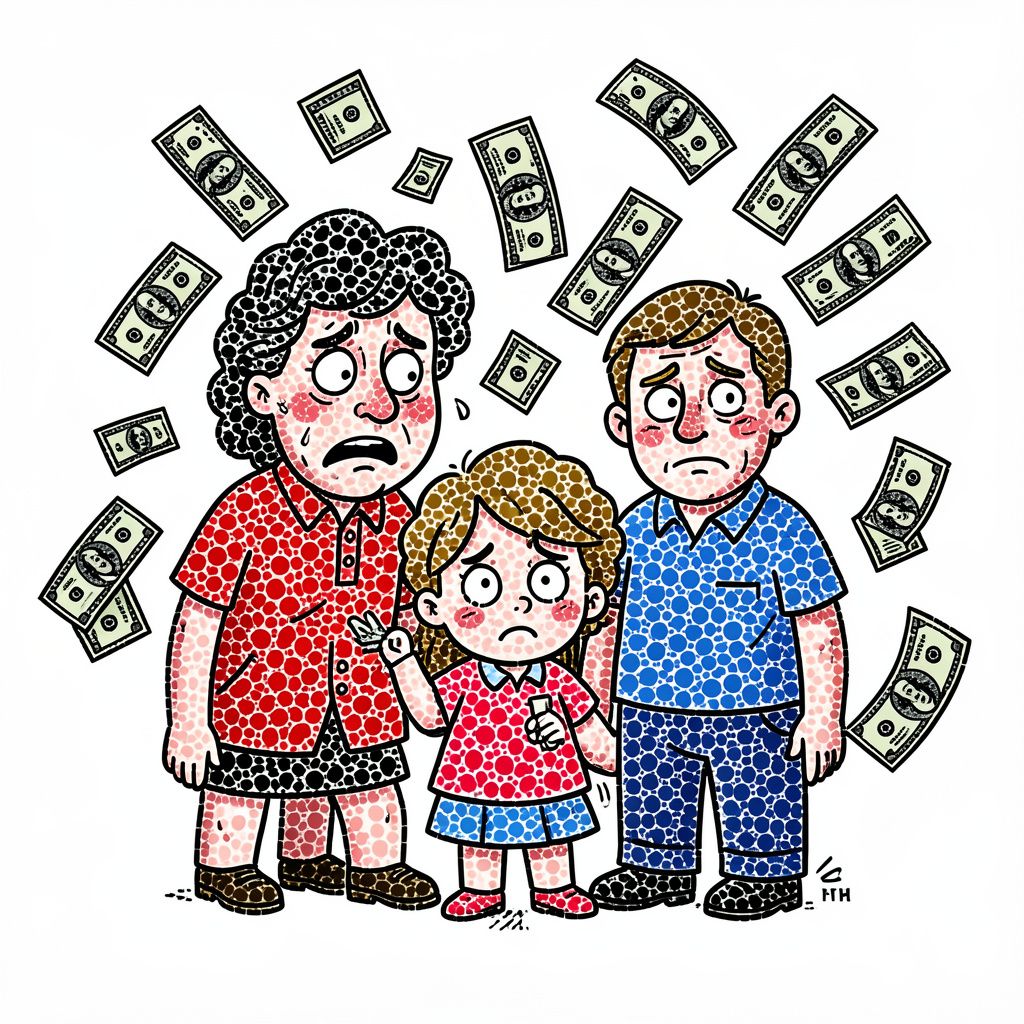
Sparked by the Iran conflict, U.S. consumer sentiment plunged 11 percent in April 2026 as anxious households projected a striking 4.8 percent inflation rate for the coming year.
From Gas Pumps to Broad Economic Anxiety
We recently reported on how surging gas prices were expected to drive the sharpest monthly inflation increase since 2022, potentially shifting Federal Reserve interest rate strategies [6]. Now, those early indicators have materialized into a severe shock to consumer confidence. According to preliminary April 2026 data released by the University of Michigan, overall consumer sentiment plummeted approximately 11 percent from March to a reading of 47.6 [1][2]. This current measure sits nine percent lower than it did at this time last year, while consumers’ feelings regarding their personal finances have also slid by approximately 11 percent [1].
Geopolitical Shocks and Consumer Wallets
The broader economic implications of this sentiment shift are profound, particularly as everyday Americans grapple with the immediate fallout of geopolitical instability. The survey indicates that 98 percent of the interviews were conducted before the April 7 ceasefire in the Iran conflict [1]. While peace talks are currently underway—with Vice President JD Vance traveling to Islamabad on April 9, 2026, to lead a U.S. delegation [2]—the economic damage to household confidence has already been recorded. Consumers expressed deep concerns about weakening asset values and the erosion of their purchasing power, leading to an across-the-board decline in sentiment that affected all age groups, income brackets, and political affiliations [1].
Looking Ahead: Will Confidence Rebound?
Despite the stark drop in April’s preliminary figures, researchers from the University of Michigan suggest that the current wave of consumer pessimism may be temporary [alert! ‘Assuming the April 7 ceasefire holds and supply chains normalize without further geopolitical disruptions’] [1]. There is an expectation that sentiment will experience a rebound once the American public gains confidence that war-related supply chain disruptions have been resolved and the recent spike in gas prices begins to subside [1]. Furthermore, Morgan Stanley Chief Investment Officer Mike Wilson noted on April 11 that the current market playbook is already beginning to resemble the environment seen prior to the outbreak of the war [3].