How a Sudden Digital Bank Failure Brought Down Paraguay's Government
Asuncion, Monday, 9 November 2026.
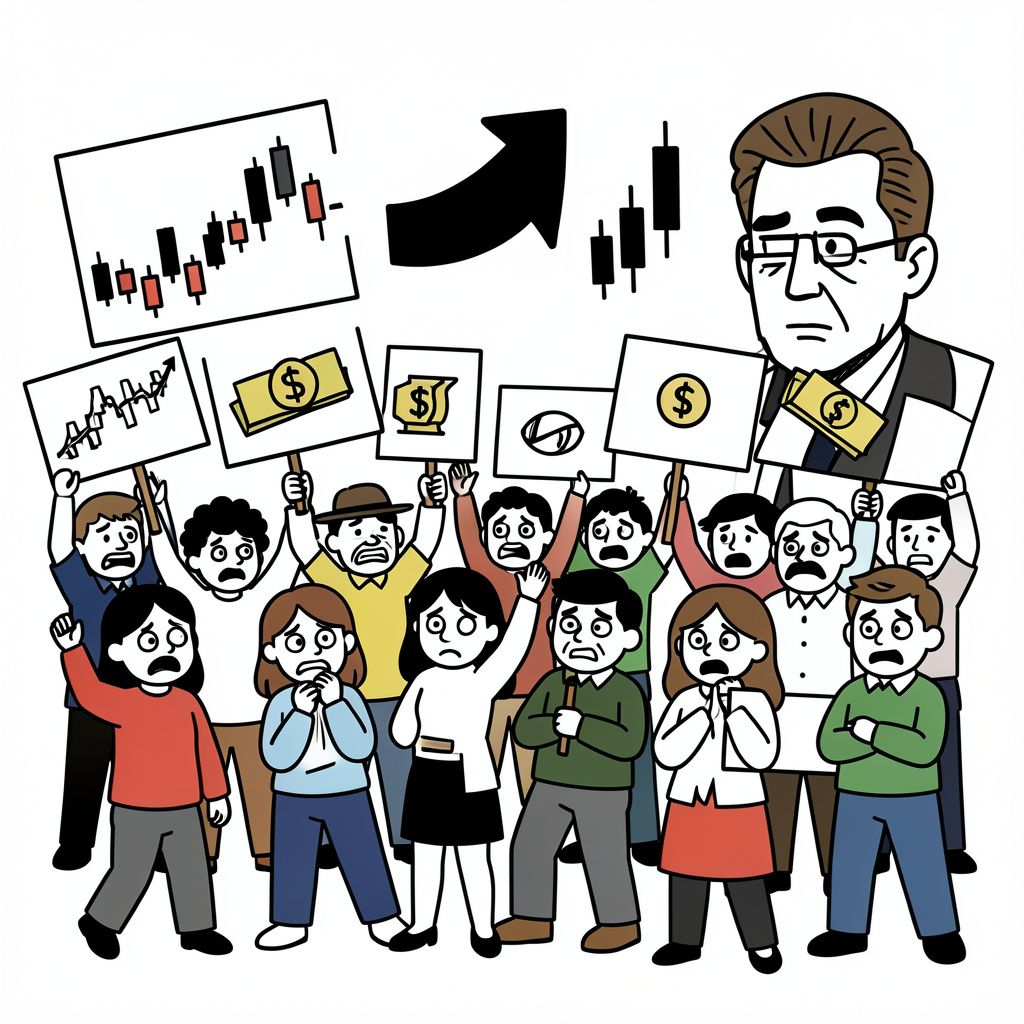
The abrupt insolvency of Paraguay’s largest digital lender, which held three million accounts, triggered severe street protests and led to the unprecedented impeachment and arrest of President Santiago Peña.
A Digital Bank’s Rapid Collapse Triggers National Crisis
The sudden insolvency of Ueno Bank, Paraguay’s largest digital lender, exposed deep vulnerabilities in the country’s financial oversight and political establishment. The institution, which had expanded to serve approximately 3 million customers—nearly half of Paraguay’s population—froze deposits overnight on November 3, 2026, after regulators intervened due to critical solvency violations. With nearly 90% of its depositors consisting of small savers holding less than 10 million guaraníes (approximately US$1,600), the collapse disproportionately impacted vulnerable citizens, many of whom lost lifelong savings in a single day [3][4]. The crisis extended beyond Paraguay, affecting international entities such as the South American Football Confederation (CONMEBOL), which had invested US$14 million in the bank, and triggering layoffs for over 1,000 remote workers employed by the bank’s parent company in Argentina [3].
The Political Fallout: From Resignation to Detention
The bank’s failure quickly escalated into a constitutional crisis. President Santiago Peña, whose administration had promoted digital financial inclusion, attempted to resign on November 5, 2026, but Congress rejected the move and instead initiated an impeachment trial. By November 6, the Senate voted unanimously to remove Peña from office, stripping him of parliamentary immunity and placing him under house arrest on charges of conflict of interest, asset diversion, and institutional cover-up [1][4][5]. The swift political collapse reflected not only the bank’s insolvency but also its deep ties to the ruling Colorado Party, which had historically controlled Paraguay’s political institutions [5][GPT]. Vice President Pedro Alliana was sworn in as interim president the same day and will serve until elections scheduled for the first half of 2028 [4][5].
Regulatory Failure and Personal Connections Fuel Public Outrage
The crisis underscored systemic failures in Paraguay’s financial regulation. Ueno Bank’s solvency indicator had fallen below 50% of the legally required minimum, yet regulators only intervened after an attempted emergency recapitalization of US$100 million failed in late October 2026 [5]. The bank’s rapid growth—from a 2021 launch to holding US$850 million in public deposits, including funds from the state pension system—was facilitated by its low-bureaucracy account opening process, which made it attractive to students, small merchants, and rural producers [1][5]. This accessibility, however, came at a cost: prosecutors allege illegal loans to companies linked to Grupo Vázquez, the bank’s parent company, and the diversion of assets by founder Miguel Vázquez and seven top executives, whose luxury assets were seized, including a private jet, yacht, and vehicles valued over US$1.4 million [5]. Public sentiment turned sharply against Peña, who had previously served as a business partner of Grupo Vázquez until March 2025 and appointed former Ueno president Carlos Carvallo to lead the central bank in 2023 [1]. Critics have framed the scandal as a ‘modern-day Bonnie and Clyde’ operation, with former Finance Minister Manuel Ferreira stating, ‘They didn’t rob us with a pistol, they robbed us with an app’ [1].
A Deposit Guarantee System Fails the Most Vulnerable
While the Deposit Guarantee Fund activated coverage for deposits up to 228.3 million guaraníes (approximately US$38,000) per depositor, this threshold left millions of small savers unprotected. Protests in Asunción turned violent as citizens, including Marcelino Vergara, a 68-year-old retiree who lost his life savings, demanded justice [3]. ‘I lost the savings of a lifetime,’ Vergara said. ‘Everyone should go to prison’ [3]. The crisis also affected Brazilians living in Paraguay, many of whom had opened accounts due to the bank’s streamlined process for cross-border investors and students [3][GPT]. As interim President Alliana pledged ‘firmness against those who seek to steal their future,’ the government faces the dual challenge of restoring financial stability and addressing the humanitarian fallout from the collapse [4].