Deadly Breach at US Consulate in Karachi Raises Urgent Security Concerns
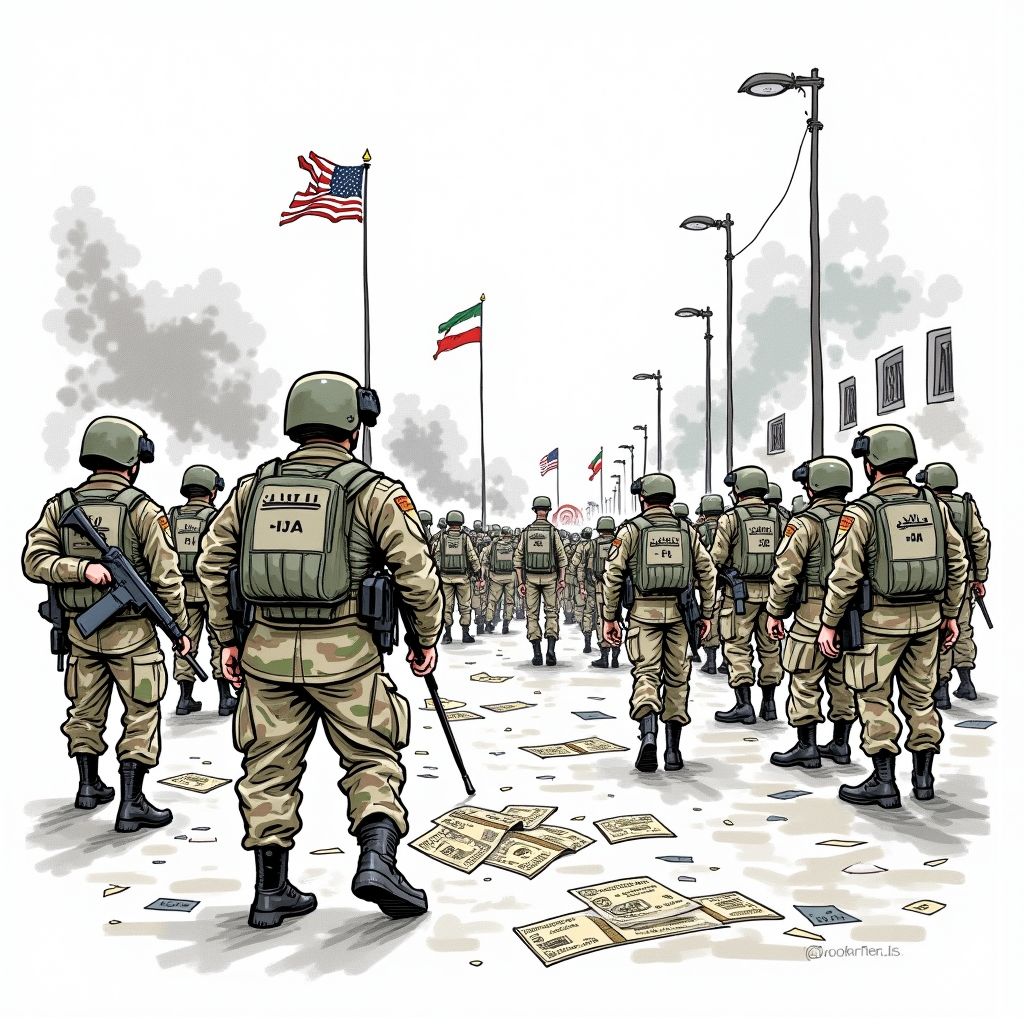
Karachi, Tuesday, 3 March 2026.
Regional tensions exploded as Marine Guards fatally engaged protesters breaching the Karachi Consulate, a deadly response to Ali Khamenei’s assassination that threatens US diplomatic operations in Pakistan.
Violent Escalation in Karachi
On Sunday, March 1, 2026, the security perimeter of the United States Consulate General in Karachi was violently compromised by Shia Muslim protestors, marking a severe deterioration in regional stability [2]. The situation escalated rapidly when demonstrators breached the facility’s outer wall, prompting Marine Security Guards to engage with lethal force [2]. This defensive response resulted in significant casualties; reports indicate that between 10 and 16 protestors were killed, while more than 60 individuals sustained injuries during the clash [2]. Corroborating reports confirmed at least nine fatalities in the immediate vicinity of the consulate following the outbreak of these protests [3].
Geopolitical Triggers and Local Fallout
The unrest stems directly from a major geopolitical flashpoint: the assassination of Iranian Supreme Leader Ali Khamenei on February 28, 2026, via strikes attributed to the United States and Israel [2]. This event triggered immediate and widespread outrage, manifesting in acts of arson, rioting, and vandalism across Karachi [2]. Infrastructure was specifically targeted, including a traffic police post beneath the Sultanabad Bridge which was set ablaze, while police utilized tear gas in an attempt to disperse crowds gathering near Mai Kolachi Road [2]. Consequently, major transit arteries, including roads leading to Namish Chowrangi, were closed to contain the volatility [2].
Nationwide Instability and Operational Shutdowns
The violence in Karachi was not an isolated event but part of a broader wave of instability sweeping through Pakistan. Nationwide figures estimate the death toll between 24 and 35 protestors, with approximately 120 people injured across various regions [2]. The unrest reached sensitive diplomatic zones beyond Karachi; two individuals were injured at the U.S. Embassy in Islamabad, and at least 12 injuries were reported in the Gilgit-Baltistan region [2]. In response to the deteriorating security environment, the U.S. Embassy in Islamabad issued an urgent security alert and enacted a comprehensive shutdown of all U.S. diplomatic facilities throughout Pakistan [2]. As of yesterday, March 2, 2026, consulates in Karachi, Lahore, and Peshawar remained closed, with all scheduled appointments canceled to ensure the safety of personnel [2].
Calls for Protection and Diplomatic Solidarity
Advocacy groups have reacted swiftly to the aggression against diplomatic missions. The American Muslim & Multifaith Women’s Empowerment Council (AMMWEC) issued a strong condemnation of the attack on March 2, emphasizing that violence against diplomatic facilities violates fundamental international norms intended to safeguard peaceful engagement [1]. The organization expressed solidarity with U.S. diplomatic staff, local employees, and law enforcement, warning that attacks on such institutions undermine global stability [1]. As the region grapples with the fallout of the strikes in Iran, the incident necessitates a rigorous re-evaluation of safety protocols for foreign personnel operating in these high-risk environments [GPT].