Philippine Economic Growth Hits Five-Year Low Amid High Inflation
Manila, Monday, 9 November 2026.
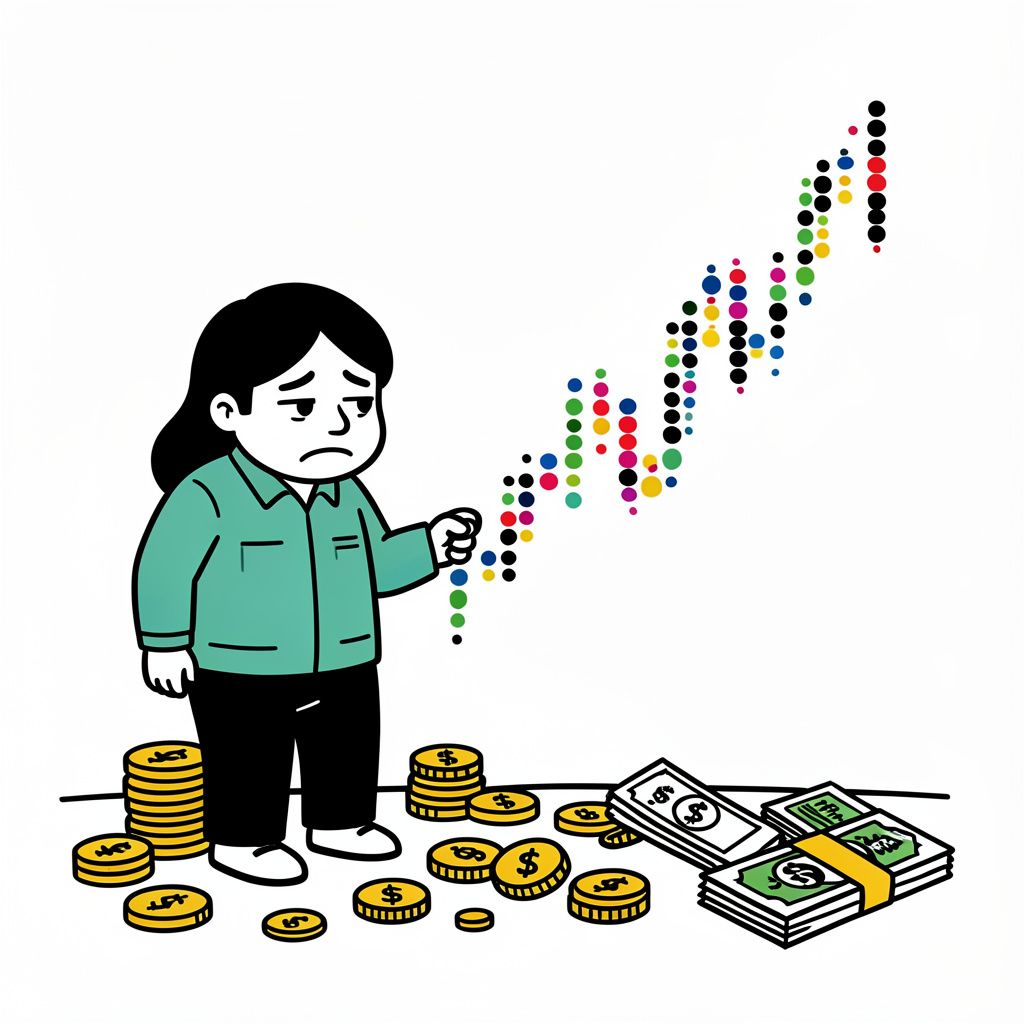
The Philippine economy slowed for a fifth straight quarter to 2.1 percent in the third quarter of 2026, putting its annual expansion target at risk as consumer spending weakened.
Sharp Deceleration in Q3 2026 GDP Growth
On Monday, 9 November 2026, the Philippine Statistics Authority reported that the country’s gross domestic product expanded by 2.1% year-on-year in the third quarter of 2026, marking the fifth consecutive quarter of slowing growth and the weakest pace since the COVID-era recession [1][5][8][9]. This figure fell short of the 3.0% median estimate by 14 economists surveyed by the Inquirer and Reuters’ poll that had anticipated 3.0% growth [1][3]. On a seasonally adjusted, quarter-on-quarter basis, GDP grew by a marginal 0.1%, down sharply from 0.6% in the prior quarter and missing expectations of 0.9% [1][5][9]. The deceleration reflects broad-based weakness across domestic demand, with household consumption and government spending both continuing to soften under the weight of persistent inflationary pressures and elevated borrowing costs [1][2][8].
Inflation and Policy Headwinds Dampen Economic Activity
Annual inflation accelerated to a 38-month high of 7.8% in October 2026, driven by surging food and energy prices linked to the ongoing Middle East conflict and elevated global oil prices [1][2][5]. The Bangko Sentral ng Pilipinas has responded with a cumulative 125 basis points of interest rate hikes since April 2026, including a larger-than-expected 50-basis-point increase in October, to tame inflationary pressures [1]. These policy tightening measures have pushed borrowing costs higher, further constraining household spending and business investment at a time when private consumption accounts for over 70% of Philippine GDP [GPT]. The central bank’s aggressive tightening cycle has contributed to a 15.1% contraction in government infrastructure spending during the third quarter, marking the sixth consecutive quarter of decline and undermining the economy’s growth potential [1].
Structural Weaknesses Exacerbate Cyclical Slowdown
Agricultural output contracted by 4.8% year-on-year in Q3 2026, reversing the 2.9% growth recorded in the April–June period and underscoring the vulnerability of the sector to climate shocks and supply chain disruptions [1][8]. The contraction in farm production is particularly concerning given the Philippines’ reliance on agriculture and food imports, which amplifies the impact of global price shocks on domestic inflation [GPT]. Meanwhile, government consumption growth slowed to 6.8% from 8.3% in the previous quarter, reflecting delays in fiscal disbursements amid a corruption scandal involving flood control projects [1]. Economic Planning Secretary Arsenio Balisacan acknowledged that achieving the government’s full-year growth target of 3.5% to 4.5% would require the economy to expand by 6.3% in the fourth quarter, a scenario that appears increasingly unlikely given current economic conditions [1][2].
Outlook: Challenges Ahead for 2027 and Beyond
Looking ahead, the Philippine economy faces multiple headwinds in 2027, including the potential impact of a strong El Niño event on agricultural production from the fourth quarter of 2026 through early 2027 [3]. The government’s 5% to 6% growth target for 2027 hinges on restoring business confidence, which has been eroded by corruption allegations and policy uncertainty, as well as easing price pressures and stronger public investment [1][2]. Analysts at ING, Deutsche Bank Research, and BPI project third-quarter 2026 growth ranging from 3.2% to 3.7%, reflecting optimism about external demand and manufacturing, though they caution that elevated inflation and weak consumer sentiment will continue to weigh on domestic demand [3]. Capital Economics and MUFG Bank have maintained their full-year 2026 GDP growth forecasts at 3.0%, with a modest pickup to 4.5% projected for 2027 [3]. The persistence of high inflation and the lagged effects of monetary tightening suggest that the road to recovery will be gradual, with spillover risks for regional trade integration and supply chain stability across Southeast Asia [1][5][8].
Sources
- www.straitstimes.com
- mb.com.ph
- asia.nikkei.com
- www.instagram.com
- business.inquirer.net
- www.investing.com
- www.facebook.com
- www.facebook.com
- www.straitstimes.com