US Signals Severe Trade Retaliation Over Canada’s Pivot to China
Washington D.C., Monday, 26 January 2026.
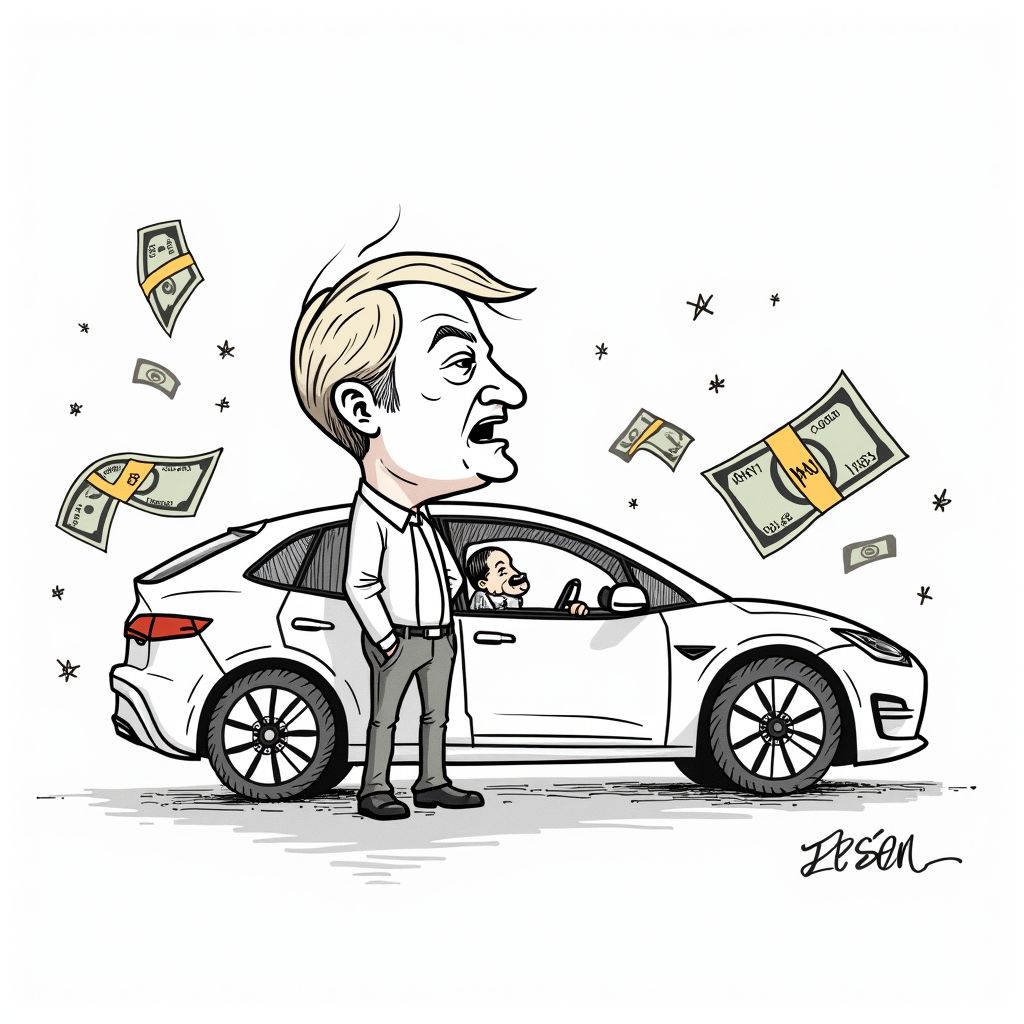
Treasury Secretary Bessent threatens 100 percent tariffs on Canadian imports after Ottawa agreed to slash duties on Chinese electric vehicles to just 6.1 percent, escalating North American trade tensions.
Washington’s Ultimatum
The escalation in rhetoric arrived swiftly following Treasury Secretary Scott Bessent’s appearance on ABC’s “This Week” on Sunday, January 25, 2026. Bessent explicitly warned that the United States would not tolerate Canada acting as a conduit for Chinese goods to enter the American market, threatening the imposition of 100 percent tariffs on Canadian imports [1][2]. This ultimatum amplifies a similar threat issued by President Donald Trump just a day prior, signaling a coordinated administrative stance against Ottawa’s recent diplomatic maneuvers [1]. Bessent argued that the administration cannot allow Canada to become an “opening that the Chinese pour their cheap goods into the U.S.,” highlighting the deep integration of the North American auto sector where components often cross the border up to six times during the manufacturing process [2].
The Mechanics of the Pivot
At the heart of Washington’s grievances is a preliminary trade arrangement announced by Canadian Prime Minister Mark Carney during his visit to Beijing on January 16, 2026 [1]. Under the terms of this “new strategic partnership,” Canada has agreed to import a quota of 49,000 Chinese electric vehicles (EVs) [1]. Crucially, these vehicles will enter under a preferential tariff rate of just 6.1 percent, a massive reduction from the prohibitive 100 percent tariff Canada had previously aligned with U.S. policy [2][5]. In a reciprocal move, Beijing is expected to slash tariffs on Canadian canola imports from the current 84 percent down to approximately 15 percent by March 1, alongside granting visa-free entry to Canadian visitors [1].
Economic Fallout and Domestic Criticism
The economic implications of this pivot are substantial, threatening to fracture the unified North American trade front against Chinese state-subsidized industries. Ontario Premier Doug Ford publicly criticized the federal government’s decision, arguing that inviting a “flood” of cheap Chinese EVs risks closing the door to the American market, which remains Canada’s largest export destination [2]. Ford warned that this “lopsided deal” offers no guarantee of reciprocal investment in Canada’s auto supply chain while jeopardizing domestic jobs [2]. Across the border, U.S. lawmakers expressed similar dismay, with Senator Brian Schatz characterizing the deal as a “stark foreign policy failure with domestic economic consequences,” suggesting that Canada was “rolled” in the negotiations [2].
USMCA Renegotiation Risks
The timing of this dispute is particularly precarious, as the United States-Mexico-Canada Agreement (USMCA) is scheduled for renegotiation this summer [2][6]. Treasury Secretary Bessent questioned Prime Minister Carney’s strategy, suggesting the move was an attempt to “virtue-signal” to globalist allies at the World Economic Forum in Davos rather than protect Canadian economic interests [2]. While Carney has attempted to downplay the friction, stating on Sunday that Canada has “no intention” of pursuing a full free trade agreement with China and is merely rectifying specific trade issues, the Biden administration views the tariff reduction on EVs as a fundamental breach of the bloc’s solidarity against non-market economies [4][6]. With the U.S. prepared to leverage its economic might, the stability of the continent’s integrated supply chains now hinges on whether Ottawa will retract its overtures to Beijing or face punitive barriers at the U.S. border.