Trump Signals Intent to Exclude ExxonMobil from Venezuela Following CEO's Skepticism
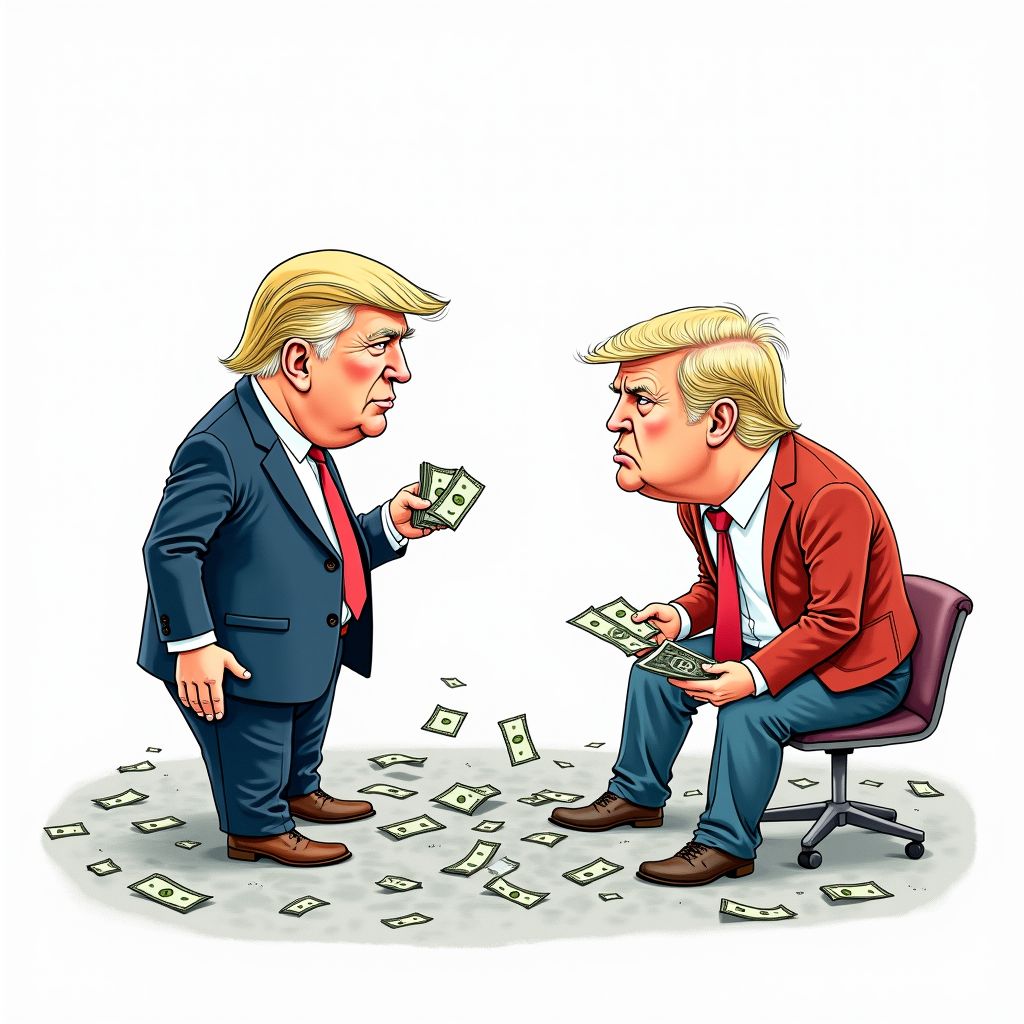
Washington D.C., Monday, 12 January 2026.
Labeling ExxonMobil’s caution as “playing too cute,” President Trump signaled plans to bar the energy giant from Venezuela after CEO Darren Woods deemed the current legal framework “uninvestable.”
Presidential Pushback on Air Force One
On Sunday, January 11, 2026, President Donald Trump escalated tensions with the American energy sector, stating he is “inclined” to exclude ExxonMobil (XOM) from the revitalization of Venezuela’s oil industry [1][2]. Speaking to reporters aboard Air Force One, the President expressed frustration with ExxonMobil CEO Darren Woods, characterizing the executive’s cautious approach to reinvestment as “playing too cute” [1][8]. The comments mark a significant pivot in the administration’s strategy to deploy U.S. capital to stabilize the South American nation following the capture of Nicolás Maduro earlier this month [8]. While the White House is aggressively seeking $100 billion in industry spending to rebuild Venezuela’s infrastructure, the President made it clear that corporate hesitation could lead to exclusion from what his administration views as a premier resource opportunity [2][6].
Context: The Volatility of Revitalization
This diplomatic friction follows a wave of initial optimism described in our previous report, “Global Markets Rally on US Plans to Revitalize Venezuela’s Vast Oil Reserves” [https://wsnext.com/442d0bd-Stock-Market-Geopolitics/], where global equities surged on the prospect of unlocking the world’s largest proven oil reserves. However, the practical realities of reintegrating Venezuela into the global energy market have quickly collided with the risk assessments of major oil conglomerates. While the administration frames the takeover in economic terms—aiming to control sales worldwide indefinitely—the legacy of expropriation continues to haunt negotiations [1].
The “Uninvestable” Standoff
The catalyst for President Trump’s remarks was a high-stakes meeting at the White House on Friday, January 9, 2026, attended by top industry executives [2][7]. During the session, ExxonMobil CEO Darren Woods delivered a blunt assessment of the current landscape, stating, “If we look at the legal and commercial constructs and frameworks in place today in Venezuela, today it’s uninvestable” [1][4]. Woods emphasized that significant reforms to the country’s hydrocarbons law and durable investment protections are prerequisites for return [2][8]. This risk-averse stance stems from historical trauma; ExxonMobil entered Venezuela in the 1940s but saw its assets seized twice during the nationalization waves between 2004 and 2007, leaving the company with over $13 billion in outstanding claims [2][3].
Diverging Strategies: Exxon vs. Chevron
While ExxonMobil insists on a “win-win-win proposition” involving legal certainty before committing capital [3], other industry players are moving more aggressively. Chevron, the only major U.S. oil firm currently operating in the country, signaled readiness to ramp up production immediately [5][7]. Chevron Vice Chairman Mark Nelson told officials the company has a path to increase liftings from joint ventures by 100% “essentially effective immediately,” with plans to boost production by 50% within 18 to 24 months [7]. Treasury Secretary Scott Bessent highlighted this divergence, suggesting the administration might favor smaller companies or those willing to move faster than the “big oil companies who move slowly” [7].
Executive Actions and Future Outlook
To mitigate the risks cited by executives, President Trump signed an executive order on Saturday, January 10, designed to shield Venezuelan oil revenue held in U.S. Treasury accounts from seizure by creditors [2][6]. The administration argues this protection is vital to ensure economic stability, yet the President remains unwilling to tolerate public skepticism from partners [1]. Despite the friction, ExxonMobil has not fully closed the door; the company stated it is prepared to deploy a technical team to assess assets on the ground, provided they receive an official invitation and security guarantees [3][5]. However, with the President now threatening to bar the company entirely, the path for Exxon’s return remains precarious [4].
Sources
- www.politico.com
- www.reuters.com
- corporate.exxonmobil.com
- www.axios.com
- thehill.com
- www.bbc.com
- www.cnbc.com
- www.usatoday.com