Louisiana Blocks Financial Compensation for Exonerated State Prisoners
Baton Rouge, Thursday, 6 August 2026.
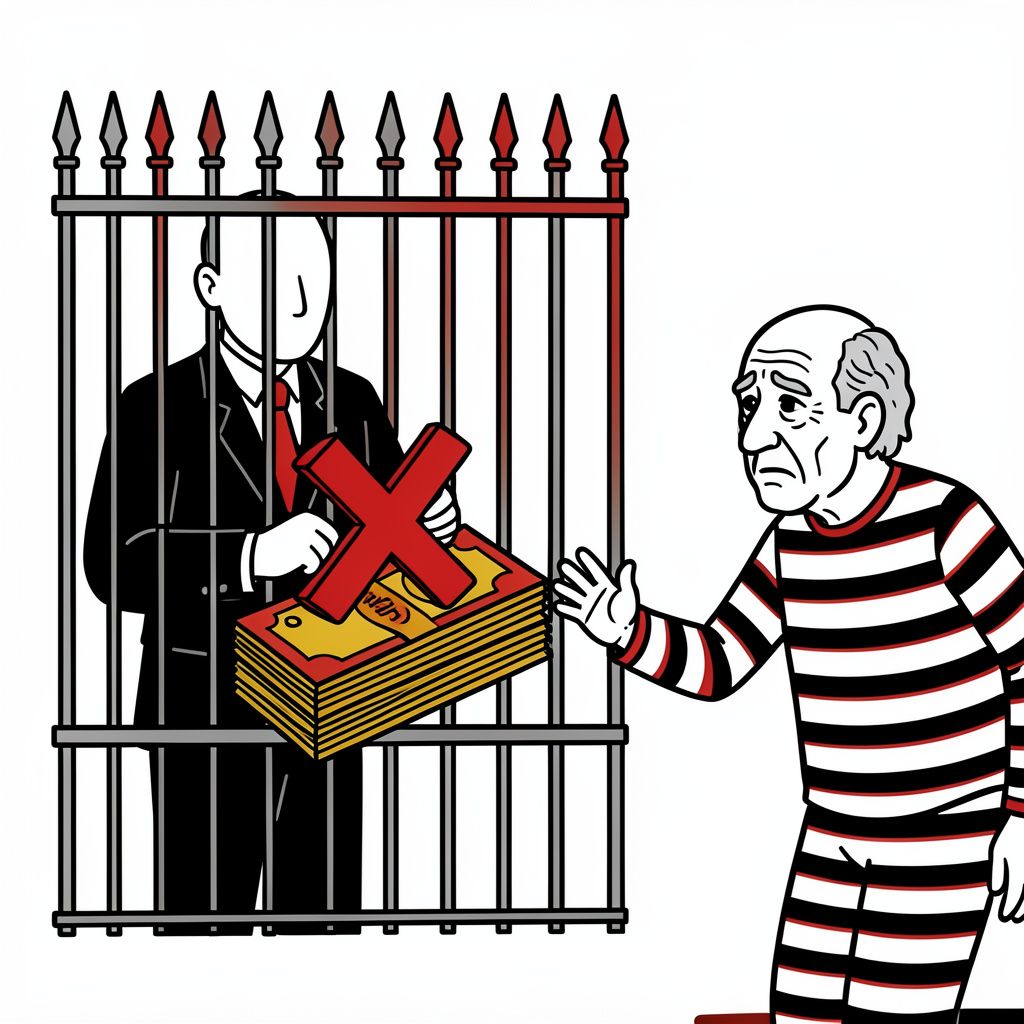
Louisiana’s Attorney General is aggressively blocking statutory payouts for wrongfully convicted individuals, opposing 22 of 23 compensation claims and attempting to reinstate charges against a man cleared after 42 years.
State Opposition to Exoneree Compensation
As of Thursday, 6 August 2026, Louisiana Attorney General Liz Murrill is actively contesting state compensation claims for individuals wrongly imprisoned, including Elvis Brooks, who spent 42 years behind bars before his conviction was overturned [1][3]. Despite state statutes allowing up to $480,000 in restitution for wrongful convictions, the state attorney general’s office maintains that several exonerees remain guilty under legal technicalities, effectively denying financial relief [1][4]. This stance raises significant questions for legal risk management, state fiscal liabilities, and broader criminal justice policy impacting civil rights and government accountability [3][4].
Administrative Resistance and Legal Strategy
Since taking office in August 2024, Attorney General Murrill has opposed 22 out of 23 compensation claims filed by wrongfully convicted individuals, representing an opposition rate of 95.652% [1][3]. Her legal strategy to block compensation includes challenging the proof of innocence in vacated cases and attempting to reinstate underlying charges, such as the manslaughter charge she has sought to reinstate against Brooks [1][4]. Attorneys for the Brooks case are scheduled to appear for a district court hearing in New Orleans on Monday, 10 August 2026, where these arguments will be scrutinized [3][4].
The Case of Elvis Brooks
Elvis Brooks, a 69-year-old New Orleans native, served over 40 years in prison for a 1977 fatal bar shooting conviction that was vacated after a prosecutor admitted to suppressing fingerprint evidence [1][3]. Under Louisiana law, Brooks is eligible for up to $480,000 in compensation, but Murrill has argued in court filings since September 2024 that Brooks remains guilty and should receive no payout [1][4]. Brooks, who receives $994 per month in Social Security, intends to use potential compensation funds to replace a cramped family headstone at Green Street Cemetery, where seven relatives are buried in a single plot [1][3].
Political Context and Precedent
Governor Jeff Landry, during his tenure as attorney general from 2016 to 2023, opposed 10 of 12 compensation claims, and in June 2026, he vetoed legislation that would have increased compensation payouts for the wrongfully convicted [1][3]. Legal experts note that Murrill’s aggressive litigation against exoneree compensation is unique compared to her peers in other states, with some alleging threats to prevent claimants from obtaining law licenses unless they drop claims [3][4]. The outcome of the upcoming hearing on 10 August 2026 will signal whether this pattern of resistance continues as implemented policy [3][5].
Sources
- www.propublica.org
- www.facebook.com
- veritenews.org
- www.nationofchange.org
- x.com
- www.reddit.com
- www.reddit.com
- everlit.audio