Tesla Ends Standard Autopilot in North America to Drive FSD Subscriptions
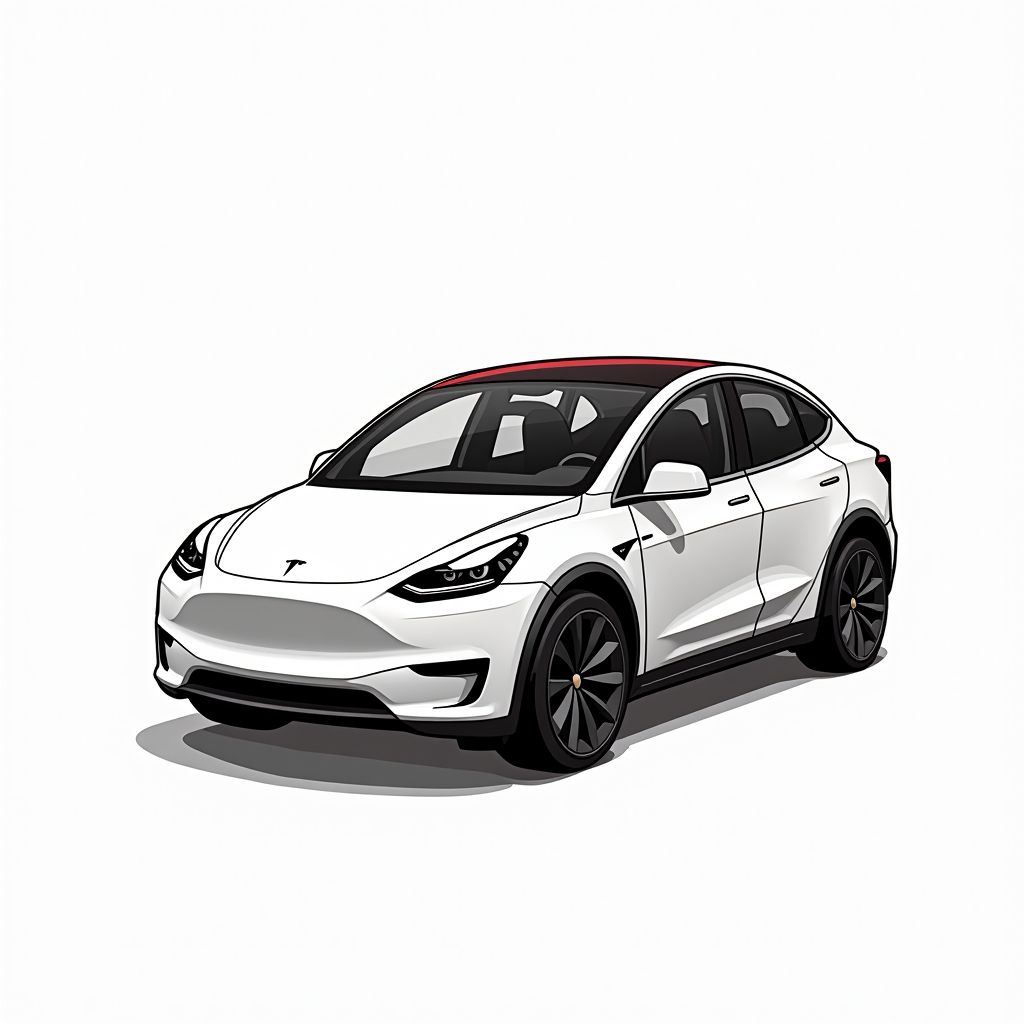
Austin, Friday, 23 January 2026.
Tesla has officially discontinued standard Autopilot in the U.S. and Canada, replacing it with basic cruise control to accelerate adoption of its Full Self-Driving software. With the one-time purchase option expiring on February 14, Elon Musk warns that subscription prices will increase as the technology matures.
Strategic Shift to Recurring Revenue
In a decisive move to restructure its revenue model, Tesla (TSLA) has eliminated the standard Autopilot feature from its vehicles in the United States and Canada as of January 23, 2026 [1][4]. Previously a staple on new Model 3 and Model Y vehicles, the basic Autopilot package—which included Autosteer and lane-centering capabilities—has been replaced by Traffic-Aware Cruise Control (TACC) [2][4]. While TACC maintains speed and following distance, it lacks the active steering assistance that defined the Autopilot experience, effectively lowering the baseline capability of the standard fleet [4]. To mitigate the immediate loss of functionality for new buyers, Tesla has increased the trial period for its Full Self-Driving (FSD) software to 90 days, a significant extension intended to demonstrate the value of the paid service [4].
Pricing Pressures and Deadlines
This reconfiguration of standard features creates a funnel toward Tesla’s subscription ecosystem. Currently, the FSD capability is available for a subscription fee of $99 per month, but CEO Elon Musk stated on January 23, 2026, that this price is not static and will increase as the software’s capabilities improve [1][5]. For customers preferring a perpetual license, the window is closing rapidly; the option to purchase FSD for a one-time fee of $8,000 in the U.S. (and $11,000 in Canada) will be discontinued after February 14, 2026 [3][4][5]. After this deadline, the monthly subscription will become the exclusive method for accessing advanced driver assistance features, effectively transitioning FSD into a pure Software-as-a-Service (SaaS) product [1][5].
The High-Stakes Economics of Autonomy
The push for subscriptions appears directly correlated with Musk’s ambitious compensation targets. The CEO’s remuneration package requires Tesla to secure 10 million active FSD subscriptions to unlock a payout potential of $1 trillion [1]. This goal presents a formidable challenge, as Tesla’s Chief Financial Officer noted in October 2025 that only approximately 12% of Tesla owners were subscribing to the service at that time [1]. By removing the intermediate “Basic Autopilot” tier, Tesla has created a binary choice for consumers: drive manually with basic cruise control or pay for the full subscription, a strategy likely designed to force an increase in that 12% take rate [1][2].
Technological Milestones Amidst Regulatory Friction
While the commercial strategy tightens, Tesla is attempting to validate the software’s premium price tag through technological demonstrations. On January 22, 2026, the company began offering fully autonomous rides without safety monitors in its robotaxi service in Austin, Texas, marking a critical step toward what Musk calls “unsupervised FSD” [1][6]. Musk, who made a last-minute appearance at the World Economic Forum in Davos on January 22, envisions a future where operational costs for the Cybercab could drop to $0.20 per mile by 2030 [5]. However, these advancements face regulatory headwinds; Tesla is currently navigating a 30-day dealer and manufacturing suspension in California following a December 2025 judicial ruling that the company engaged in deceptive marketing regarding its driver-assist capabilities [2].
Sources
- www.businessinsider.com
- www.theverge.com
- www.reddit.com
- driveteslacanada.ca
- www.teslarati.com
- www.investors.com