A Two-Year Energy Deficit: Middle East Conflict Threatens Global Supply Chains
Paris, Friday, 17 April 2026.
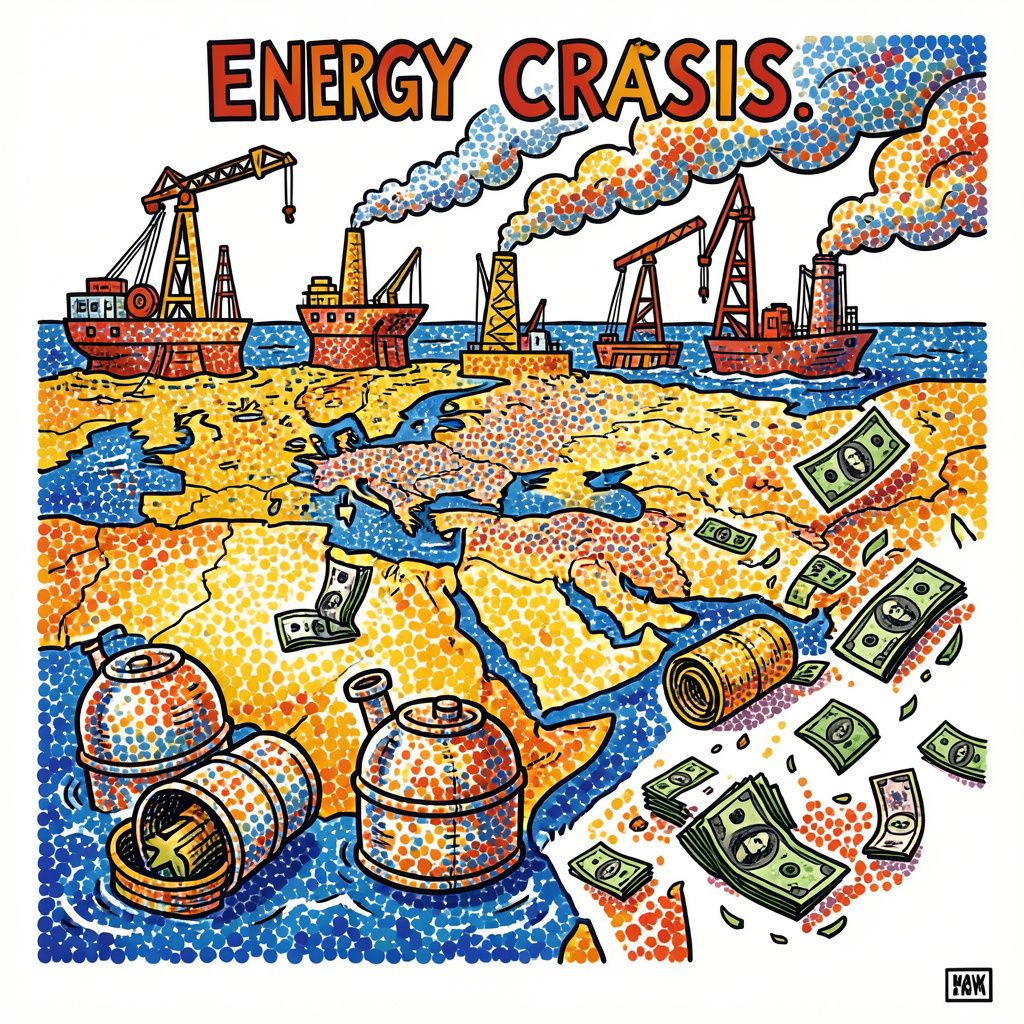
The IEA warns recovering lost Middle East energy output will take two years. This historic crisis threatens global inflation and leaves Europe with only six weeks of jet fuel.
The Anatomy of an Unprecedented Disruption
The global energy infrastructure has sustained severe damage following the outbreak of conflict in the Middle East, fundamentally altering supply dynamics for the foreseeable future [GPT]. According to International Energy Agency (IEA) Executive Director Fatih Birol, the recovery of lost energy output will not be a swift process; it is projected to take approximately two years to return to pre-war production levels [1][4]. This timeline, heavily influenced by the destruction of over 80 energy facilities in the Gulf region—of which more than a third are heavily damaged—underscores the physical and logistical hurdles facing the sector [4]. The disruption is uneven, with countries like Iraq expected to face a significantly longer path to recovery compared to Saudi Arabia [1]. Birol has categorized this ongoing situation as the largest energy crisis the world has ever faced [2][5].
The Strategic Chokepoint
At the heart of this logistical paralysis is the closure of the Strait of Hormuz, a critical maritime chokepoint that historically facilitated the transit of nearly 20% of the world’s traded oil during peacetime [2]. The immediate consequence of this blockade is a daily loss of 10 million to 15 million barrels of oil from the global market [2]. While shipments that were already en route prior to the conflict have temporarily mitigated the severity of the shortage, the reality is stark: no new oil, gas, or fuel tankers were loaded for Asian markets in March 2026 [1]. This bottleneck highlights a severe geopolitical vulnerability, demonstrating how a global economy valued at $110 trillion can be effectively held hostage by disruptions in a narrow, 50-kilometer-wide strait [4].
Aviation Sector on the Brink
The ripple effects of this supply shock are acutely visible in the aviation industry, particularly across Europe. The IEA has issued a stark warning that Europe possesses only about six weeks of remaining jet fuel inventory [2][3][5]. While some individual European nations maintain reserves that could last several months, others are operating on less than 20 days of supply—a critical drop considering inventory levels have not fallen below 29 days since 2020 [2]. If the Strait of Hormuz remains impassable, the physical lack of refinery products like kerosene and diesel will inevitably lead to widespread flight cancellations between major cities [2][4][5]. Delta Air Lines is already monitoring these potential supply issues, while carriers like KLM and easyJet currently report no immediate shortages [2].
Market Reactions and Macroeconomic Pressures
The financial strain on airlines is compounding the physical supply risks. Jet fuel prices have roughly doubled since the onset of the conflict [2]. Because fuel costs typically account for approximately 30% of an airline’s overall operating expenses, this price surge threatens to obliterate profit margins and drive up ticket prices for consumers [2]. The broader macroeconomic implications of this sustained energy deficit are equally severe. With oil prices hovering near $100 per barrel, the increased cost of energy is poised to drive up inflation across multiple global regions [4]. Higher prices for gasoline, natural gas, and electricity are directly impacting industrial sectors and consumer wallets, creating a drag on worldwide economic growth [5].
Emergency Measures and Long-Term Shifts
To mitigate the immediate shortfall, the IEA coordinated the release of 400 million barrels of oil from its members’ emergency reserves in March 2026 [2][4]. However, injecting these reserves into the active market is a slow process; it could take until the end of the year to fully distribute these barrels [2]. The mathematical reality of the shortfall suggests that emergency reserves are only a temporary bridge. At a maximum loss rate of 15 million barrels per day [2], the 400 million barrel release provides exactly 26.667 days of absolute cover for the missing Middle Eastern supply [alert! ‘Assuming constant maximum daily loss rate without demand destruction’]. Ultimately, this crisis is acting as a brutal catalyst for restructuring global energy dependencies. The IEA anticipates a rapid acceleration toward energy diversification, including a significant ramp-up in renewable energy production and a renewed momentum for nuclear energy, as nations prioritize energy security alongside climate goals [4].