Federal Freeze on East Coast Wind Farms Puts Billions in Energy Investment at Risk
Washington D.C., Sunday, 11 January 2026.
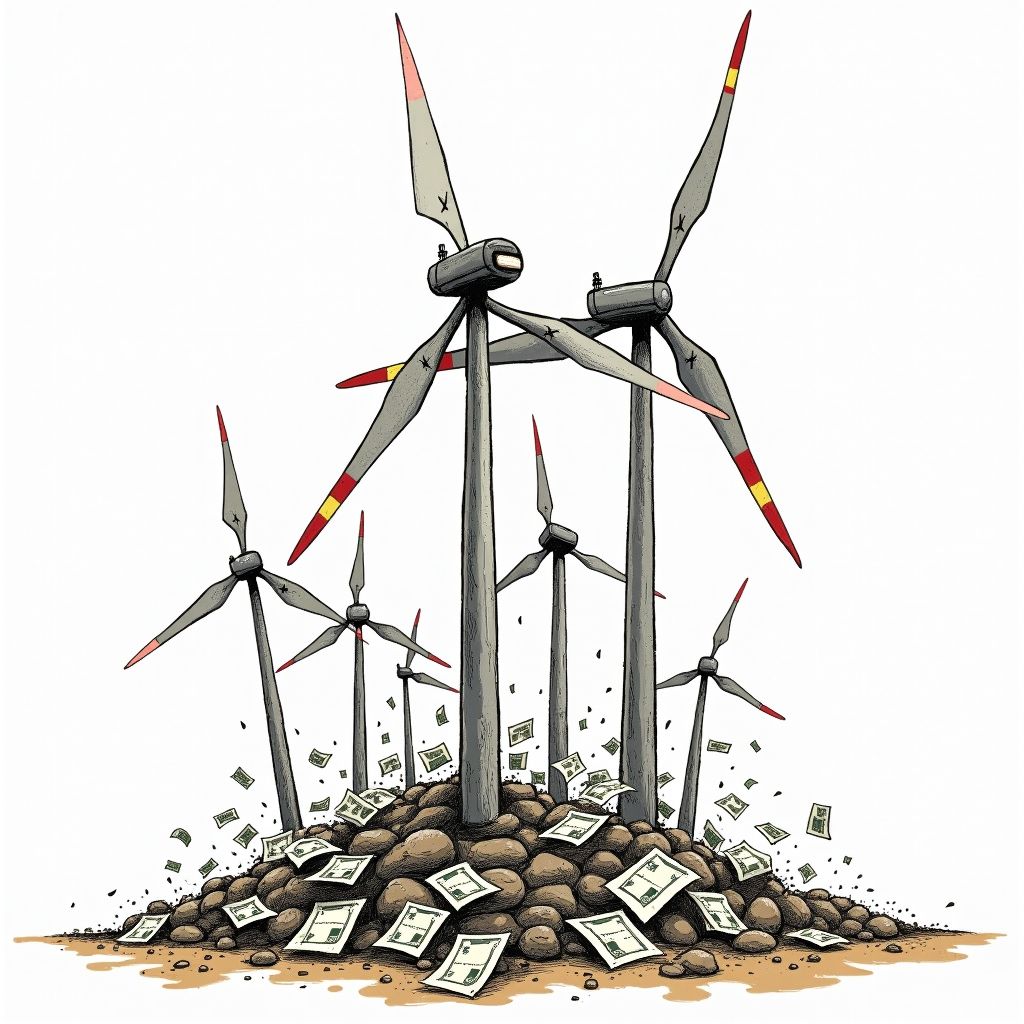
A federal construction halt on five East Coast wind projects threatens billions in investment, leaving the nearly finished Revolution Wind farm—87 percent complete—stranded and facing potential collapse.
Regulatory Freeze Halts Major Infrastructure
The directive, issued by the Department of the Interior on December 22, 2025, suspended construction operations at five major sites: Vineyard Wind 1, Revolution Wind, Coastal Virginia Offshore Wind, Sunrise Wind, and Empire Wind 1 [2]. The administration cited national security concerns as the primary driver for the halt, specifically pointing to classified reports from the Department of Defense which suggest that wind turbines interfere with radar systems, potentially creating “clutter” that complicates the identification of security threats [2][4]. This domestic policy shift mirrors recent international precedents; for instance, Sweden rejected 13 offshore wind applications in the Baltic Sea in November 2024 on comparable national security grounds [2].
Economic Fallout and Operational Risks
The financial ramifications of this sudden regulatory freeze are immediate and severe for developers. Revolution Wind, a $6.2 billion project located off the coast of Rhode Island, is currently 87 percent complete, with 58 of its planned 65 turbines already installed [1]. The delay is costing the project approximately $15 million per week, and developers estimate they will incur an additional $1 billion in “breakaway costs” if the project is permanently halted [2]. This stop-work order marks the second major interruption for Revolution Wind, which had previously faced a construction halt in August 2025 before a federal judge allowed work to resume in September [1].
Legal Challenges Mount as Deadlines Loom
In response to the federal freeze, New York Attorney General Letitia James filed a lawsuit on January 9, 2026, seeking to block the President’s order [4][6]. James argues that the suspension endangers the state’s ability to power over 1 million homes, specifically noting the capacity of the Empire Wind and Sunrise Wind projects, which are 60 percent and 45 percent complete, respectively [6]. The situation is critical for Equinor, the developer behind Empire Wind; the company has warned in court filings that the project faces likely termination if construction cannot restart by January 16, 2026, highlighting the extreme fragility of these capital-intensive investments [4].
Political Gridlock and Energy Strategy Shifts
The conflict over offshore wind has also stalled legislative progress in Washington. Following Congress’s reconvening during the week of January 5, 2026, negotiations regarding energy-permitting reform have effectively ceased, with Democratic senators stating that talks cannot proceed while the administration blocks fully permitted renewable projects [3]. Meanwhile, President Trump reaffirmed his opposition to the industry during a January 9 meeting with oil executives, characterizing wind turbines as “losers” and stating his goal is to prevent their construction [5]. This stance aligns with a broader geopolitical realignment in energy policy, evidenced by the President’s January 7 announcement that the U.S. would withdraw from the United Nations Framework Convention on Climate Change, alongside a pivot toward controlling oil production in Venezuela [3][5].
Sources
- www.nytimes.com
- www.instituteforenergyresearch.org
- www.canarymedia.com
- gcaptain.com
- www.usatoday.com
- apnews.com