Iranian Drone Strikes on Middle East Data Centers Expose Global Cloud Vulnerabilities
Seattle, Wednesday, 18 March 2026.
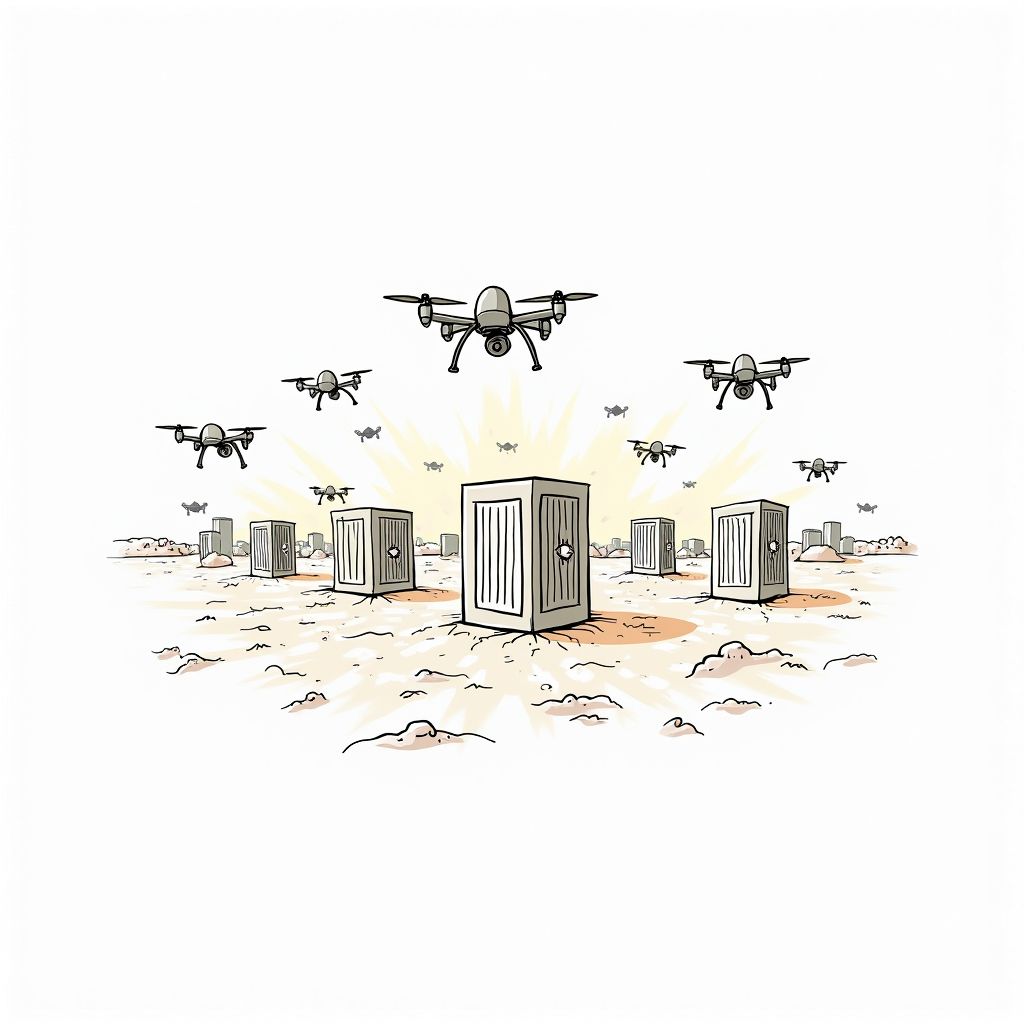
Iranian claims of deliberate drone attacks on Middle Eastern data centers highlight a chilling reality: inexpensive weapons can now critically disrupt the physical infrastructure powering our global digital economy.
The Asymmetry of Modern Cyber-Kinetic Warfare
The economic and operational asymmetry of these attacks is stark [4]. Hyperscale data centers require years to construct and billions of dollars to finance, yet they can be severely disabled by a drone costing approximately $20,000 [4]. In the UAE, two AWS facilities were directly struck, while a third site in Bahrain—which houses AWS’s largest U.S. data center in the region and a Middle Eastern satellite ground station—sustained damage from a close-proximity strike [2][4]. The resulting structural damage, power failures, and subsequent fire suppression efforts caused extensive water damage, taking nearly 60 AWS online services offline [3][6].
Rethinking Cloud Resilience and Geographic Risk
In response to the strikes, AWS has advised its customers with workloads in the Middle East to migrate their data to alternate regions, warning of a “prolonged event” [3]. Amazon operates 39 geographic regions globally, meaning its Middle Eastern presence accounts for roughly 7.692 percent of its regional footprint [6]. Although each AWS region contains at least three availability zones separated by up to 100 kilometers, the simultaneous disruption in the Gulf has exposed critical vulnerabilities [6]. The UAE region was left operating on a single Availability Zone following the attacks, prompting urgent questions among IT leaders about cross-regional backups and data sovereignty mandates [2][5].
Sources
- www.wenatcheeworld.com
- www.datacenterdynamics.com
- www.techtarget.com
- nationalinterest.org
- www.datacenterknowledge.com
- www.aol.com
- www.facebook.com
- nexusconnect.io