DRC Mine Disaster Exposes Severe Risks in Global Critical Mineral Supply Chains
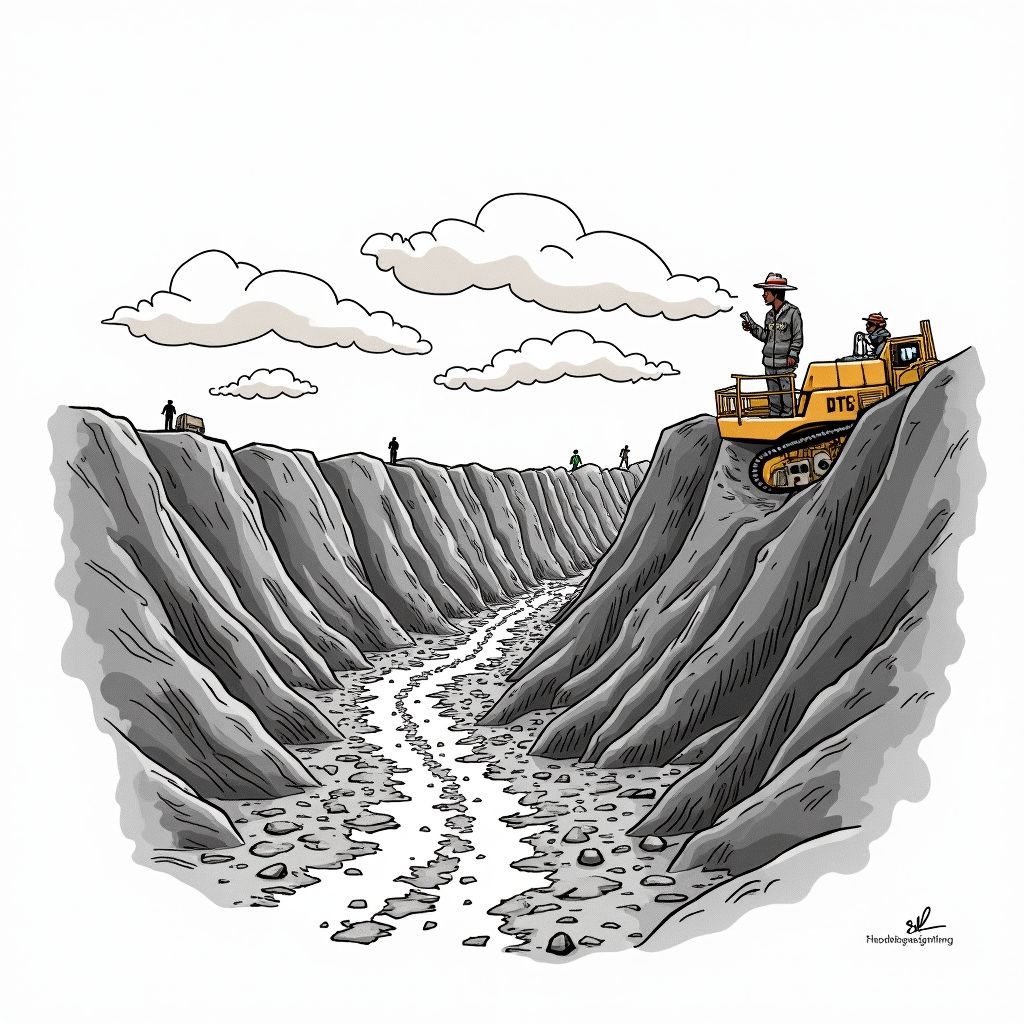
Kinshasa, Monday, 9 February 2026.
A catastrophic collapse claiming over 400 lives at a key tantalum site underscores the lethal volatility facing investors and manufacturers in the unregulated race for green energy resources.
A Supply Chain Shock with a Human Toll
On January 28, 2026, a massive landslide devastated the Luwowo mining site in Rubaya, Democratic Republic of Congo (DRC), a region pivotal to the global technology sector [2][3]. While initial estimates following the collapse suggested 200 casualties, confirmation arrived by February 2 that the death toll had surpassed 400, claiming the lives of artisanal miners, small traders, and children [3][5]. The Rubaya mines are not merely peripheral extraction sites; they are central to the digital economy, producing between 15% and 30% of the world’s coltan and holding over 60% of global reserves of the mineral, which is essential for capacitors in smartphones, laptops, and jet engines [1][2]. The disaster was precipitated by torrential rains destabilizing tunnels that had been over-mined and neglected for years, often with up to 500 laborers working in a single pit without safety measures [3].
The Geopolitics of Conflict Minerals
The operational context of the Rubaya mines highlights the extreme geopolitical risks embedded in critical mineral supply chains. Since May 2024, the region has been under the control of the M23 rebel group, which leverages the site to generate approximately $800,000 per month in tax revenue to fund its insurgency [1][3]. This illicit control has created a porous border economy; the DRC government reports that Rwanda’s coltan exports have surged by more than 200%—an increase attributed to the smuggling of Congolese minerals [2]. While the M23 coalition blamed the Kinshasa government for poor governance and “political exploitation” of the tragedy on February 1, environmental analysts argue the disaster was the inevitable result of unregulated extraction where profit is prioritized over human safety [2].
Western Policy: Strategic Reserves vs. Due Diligence
As the human cost of extraction rises, Western economic powers are intensifying efforts to secure these resources, often sending mixed signals regarding ethical standards. On February 2, 2026, U.S. President Donald Trump launched “Project Vault,” a strategic reserve initiative valued at nearly $12 billion designed to secure critical minerals [1]. This was followed on February 3 by a summit hosted by JD Vance aimed at establishing a trade zone for these commodities [1]. Conversely, regulatory frameworks appear to be loosening; in December 2025, the European Union weakened key due diligence rules intended to screen supply chains for human rights abuses [1]. This regulatory retreat coincides with warnings from labor organizations like ITUC-Africa, which has demanded immediate investigations and supply chain accountability from international electronics companies benefiting from these minerals [5].
Analyzing the Investment Risk
For global investors and manufacturers, the Rubaya collapse serves as a grim indicator of the fragility within the green energy transition’s supply lines. The narrative that cleaner power at home justifies pollution and suffering abroad is becoming increasingly untenable as instability in the DRC threatens the consistent flow of tantalum [1]. With the M23 insurgency actively profiting from the trade and safety standards non-existent, the volatility of supply is high. As survivor Grace Barata described the mine as becoming a “tomb” within minutes of the rain starting, the incident underscores that without rigorous ESG auditing and enforcement, the raw materials powering the future remain tethered to humanitarian crises [1][2].
Sources
- www.theguardian.com
- www.aljazeera.com
- en.wikipedia.org
- www.healthandsafetyinternational.com
- www.vanguardngr.com