Israel Becomes First Nation to Officially Recognize Somaliland’s Independence
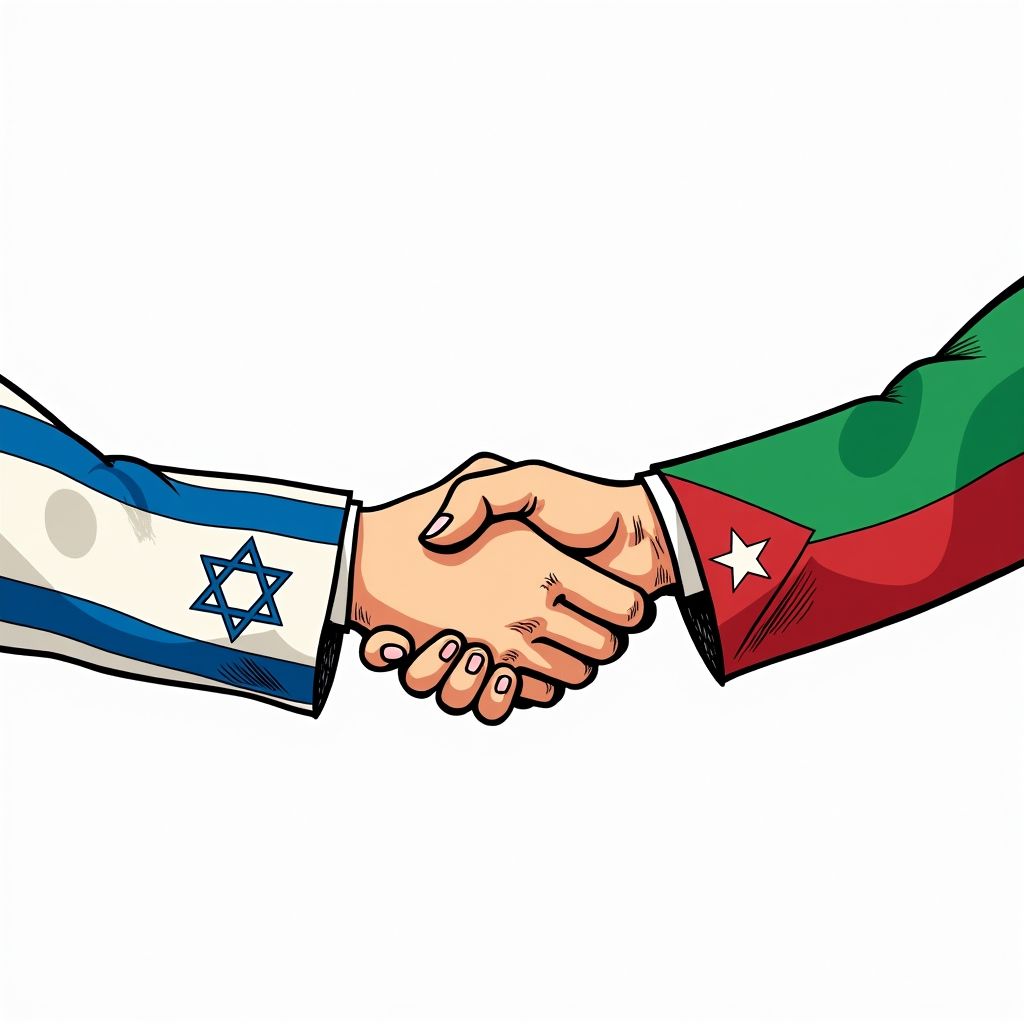
Jerusalem, Friday, 26 December 2025.
Breaking decades of diplomatic precedent, Israel has become the first nation to officially recognize Somaliland, signaling a major strategic shift for the Horn of Africa and Red Sea commerce.
A Historic Diplomatic Breakthrough
In a move that redefines the geopolitical landscape of the Horn of Africa, Prime Minister Benjamin Netanyahu announced on Friday, December 26, 2025, that Israel officially recognizes the Republic of Somaliland as an independent and sovereign state [1][3]. This declaration marks Israel as the first nation globally to grant such recognition to Somaliland, a territory that proclaimed its independence from Somalia in 1991 but has since operated in diplomatic isolation [2]. The agreement was formalized during a video conference between Prime Minister Netanyahu, Foreign Minister Gideon Sa’ar, and Somaliland President Dr. Abdirahman Mohamed Abdallah, culminating in the signing of a joint and mutual declaration establishing full diplomatic ties [1][3].
Strategic Economic Corridors
The recognition is underpinned by a robust economic agenda, with immediate plans to expand bilateral relations across several high-value sectors. Prime Minister Netanyahu explicitly highlighted intentions for extensive cooperation in agriculture, health, technology, and the broader economy [1][2]. For Israel, this partnership opens a gateway to the Horn of Africa, a region critical for trade routes along the Red Sea. The collaboration is expected to leverage Israel’s technological prowess in arid-climate agriculture and digital infrastructure to modernize Somaliland’s developing economy, creating a symbiotic relationship that extends beyond mere diplomatic formalities [1].
The Abraham Accords Framework
Framing the move within a broader regional strategy, Prime Minister Netanyahu stated that the declaration aligns with the spirit of the Abraham Accords, the normalization agreements initially brokered by U.S. President Donald Trump [1][2]. Somaliland President Abdirahman Mohamed Abdullahi confirmed that his nation would join these accords, signaling a desire to integrate into the emerging coalition of Middle Eastern and African states normalizing relations with Israel [2]. This inclusion suggests a strategic intent to stabilize the Red Sea corridor through a network of allied nations, countering instability in a volatile maritime zone essential for global commerce [2].
Regional Backlash and Geopolitical Risks
Despite the celebratory tone in Jerusalem and Hargeisa, the decision has ignited immediate controversy among neighboring powers. Foreign ministers from Egypt, Somalia, Turkey, and Djibouti have issued condemnations regarding Israel’s recognition of the breakaway region [2]. The Egyptian foreign ministry specifically warned that recognizing such regions poses a threat to international peace and security, reflecting fears that this precedent could destabilize the fractured political unity of Somalia [2]. As Israel and Somaliland move to operationalize their new alliance, they will likely face significant diplomatic friction from these regional actors who view the preservation of Somalia’s territorial integrity as a red line [2].
Summary
This historic recognition on December 26, 2025, ends decades of diplomatic limbo for Somaliland and secures Israel a strategic partner in the Horn of Africa. While the deal promises economic advancement through technological and agricultural cooperation, it simultaneously challenges the status quo, drawing sharp rebukes from key regional players like Egypt and Turkey. As the two nations proceed with establishing full diplomatic relations, the economic benefits will be weighed against the rising geopolitical temperature in the Red Sea basin.