FDA Considers Allowing Unreviewed Chemicals Directly in American Food
Washington, Saturday, 10 October 2026.
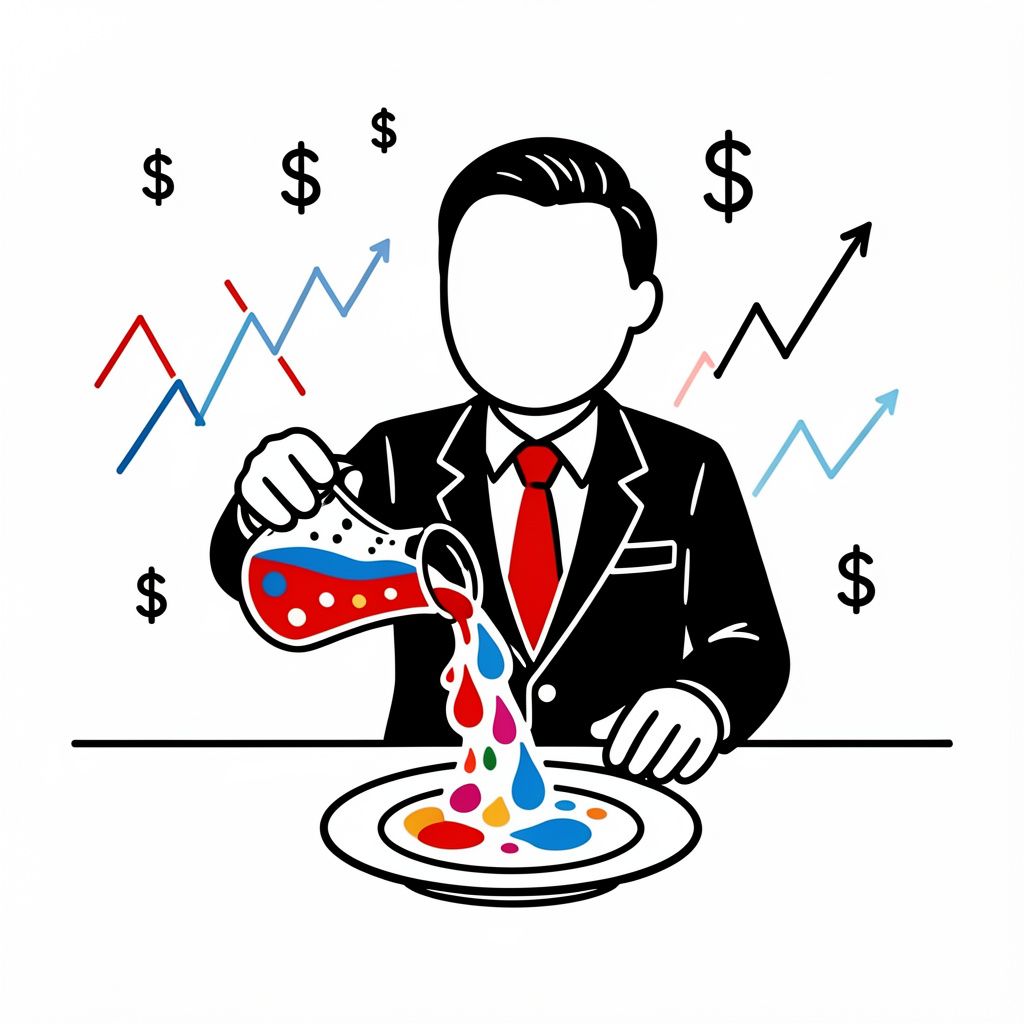
The FDA proposes expanding safety exemptions to let companies add non-carcinogenic chemicals directly to food without pre-market review, raising intense public health and transparency concerns.
FDA Proposes Expansion of Chemical Exemptions
The United States Food and Drug Administration (FDA) is evaluating a significant regulatory shift that could allow food manufacturers to introduce specific non-carcinogenic chemical compounds into products without prior safety reviews [1]. On 11 August 2026, the agency submitted a proposed rule to the Federal Register to expand the “Threshold of Regulation” (TOR) exemption, which currently limits non-carcinogenic substances in food-contact materials to levels below 0.5 parts per billion [1][7]. This expansion would permit these chemicals to be added directly to food as flavorings, preservatives, or emulsifiers if deemed to pose “no appreciable risk to human health” [1]. Regulatory compliance experts and public health advocates have raised concerns regarding long-term liability and consumer safety, noting that some compounds cause harm at levels below the proposed threshold [1][3].
Political Oversight and GRAS Loophole Context
This regulatory proposal unfolds under the oversight of Health and Human Services Secretary Robert F. Kennedy Jr., who has publicly criticized the existing “Generally Recognized as Safe” (GRAS) framework as being “hijacked” by industry interests [3]. While Secretary Kennedy stated in February 2026 that the FDA would act on petitions to reexamine ingredients in ultra-processed foods, critics argue the simultaneous expansion of the TOR exemption contradicts efforts to close regulatory loopholes [3][6]. The existing GRAS standard allows companies to self-certify new ingredients without alerting the FDA, a process a 2026 review identified as exploited by at least 111 food chemicals [1][3]. Industry stakeholders are preparing for a webinar on 29 October 2026 to discuss the implications of these potential changes on self-GRAS and food-contact substances [6].
State-Level Action and Compliance Deadlines
In response to federal regulatory gaps, New York state legislation passed by both houses in Albany during the spring of 2026 aims to mandate that food companies submit safety evidence for self-approved additives to a public database [4][5]. This state-level bill also seeks to ban specific additives including red dye 3, potassium bromate, and propylparaben statewide, contrasting with the federal pace of regulation [4]. Concurrently, the FDA has formally revoked authorization for FD&C Red No. 3 in food and drugs, with manufacturers required to comply by January 2027 for food products [8]. Public comment periods for various FDA food additive initiatives are active, with some deadlines set for 16 October 2026 and others extending to 20 November 2026 [7][8].
Sources
- www.theguardian.com
- www.facebook.com
- abcnews.com
- www.instagram.com
- www.facebook.com
- www.food-safety.com
- global_test.foodmate.net
- www.linkedin.com