Senate Set to Vote on Limiting Presidential Military Authority Regarding Iran Conflict
Washington D.C., Wednesday, 4 March 2026.
The Senate votes today on restricting executive military power as Defense Secretary Hegseth warns the Iran conflict could persist for eight weeks, signaling potential prolonged geopolitical volatility.
Legislative Backlash Following Operation Epic Fury
Following the significant escalation of hostilities marked by President Trump’s “Operation Epic Fury” and the elimination of Iran’s Supreme Leader [https://wsnext.com/a796e2e-Geopolitical-Risk-Iran-Conflict/], the focus has shifted sharply to Capitol Hill. Today, Wednesday, March 4, 2026, the U.S. Senate is proceeding with a critical procedural vote on a War Powers resolution [1]. This legislative measure represents a direct constitutional challenge to the President’s authority to conduct offensive military operations against Iran without explicit congressional approval [2]. The urgency of this vote is underscored by the loss of six U.S. military members in a drone strike in Kuwait over the preceding weekend, a casualty event that has intensified the debate regarding the administration’s exit strategy [1].
Extended Conflict Timelines and Strategic Justifications
While early market expectations may have priced in a rapid, surgical engagement, new administration assessments suggest a more protracted conflict. Defense Secretary Pete Hegseth indicated on Tuesday that the military campaign could extend for eight weeks [1]. This projection of a two-month operational timeline introduces a new layer of volatility for global markets, contrasting with initial hopes for a swift resolution. In parallel, the House of Representatives is preparing to weigh in on the matter, with a vote on the War Powers resolution scheduled for Thursday, March 5 [1].
Fractures Within the Political Base
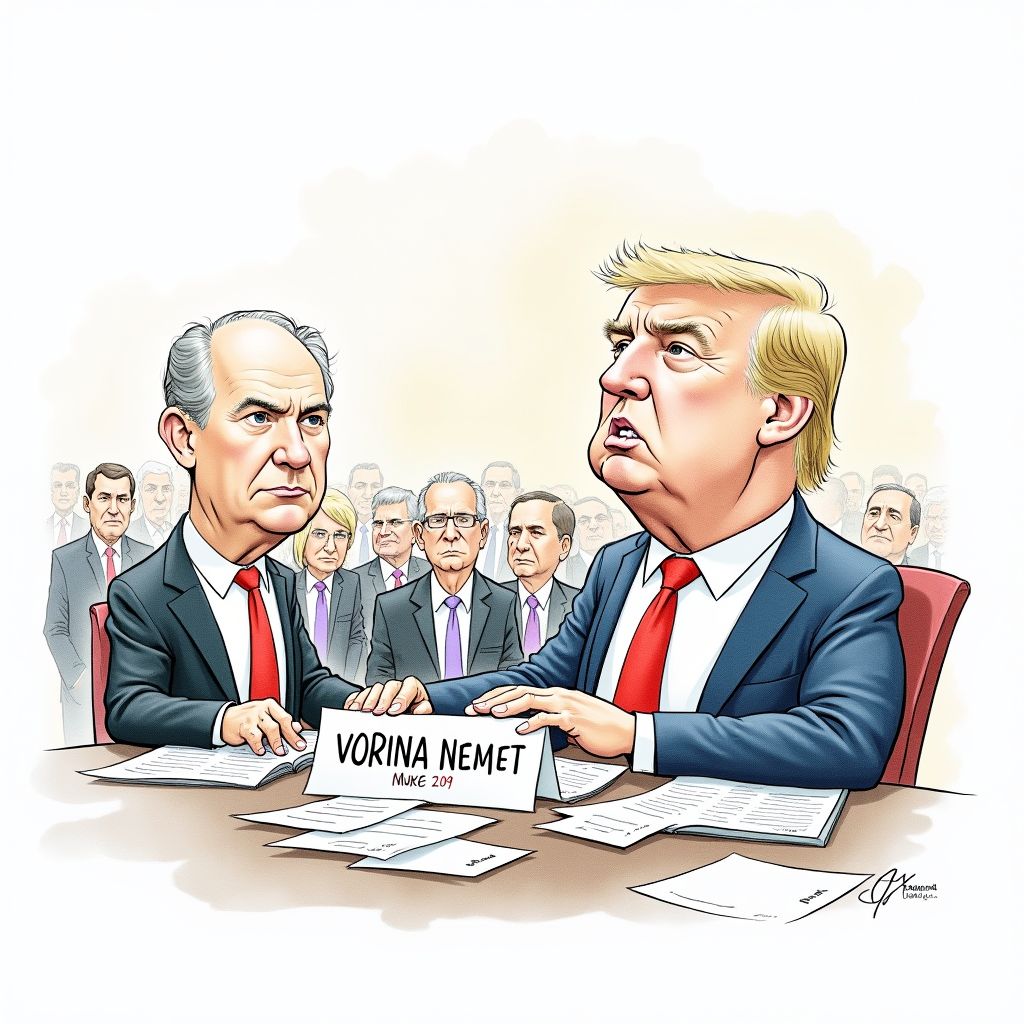
A distinct and fresh development in this geopolitical crisis is the emergence of a fracture within the President’s traditional media support base. Prominent conservative figures, including Tucker Carlson and Megyn Kelly, have levied sharp criticism against the administration, specifically questioning the degree of influence exercised by Israeli Prime Minister Benjamin Netanyahu [3]. Carlson controversially remarked that the United States “didn’t make the decision here,” attributing the drive for war to Netanyahu, while Kelly argued that American service members should not die for a foreign nation [3].