Iran Demands Cryptocurrency Toll for Oil Tankers in the Strait of Hormuz
Tehran, Wednesday, 8 April 2026.
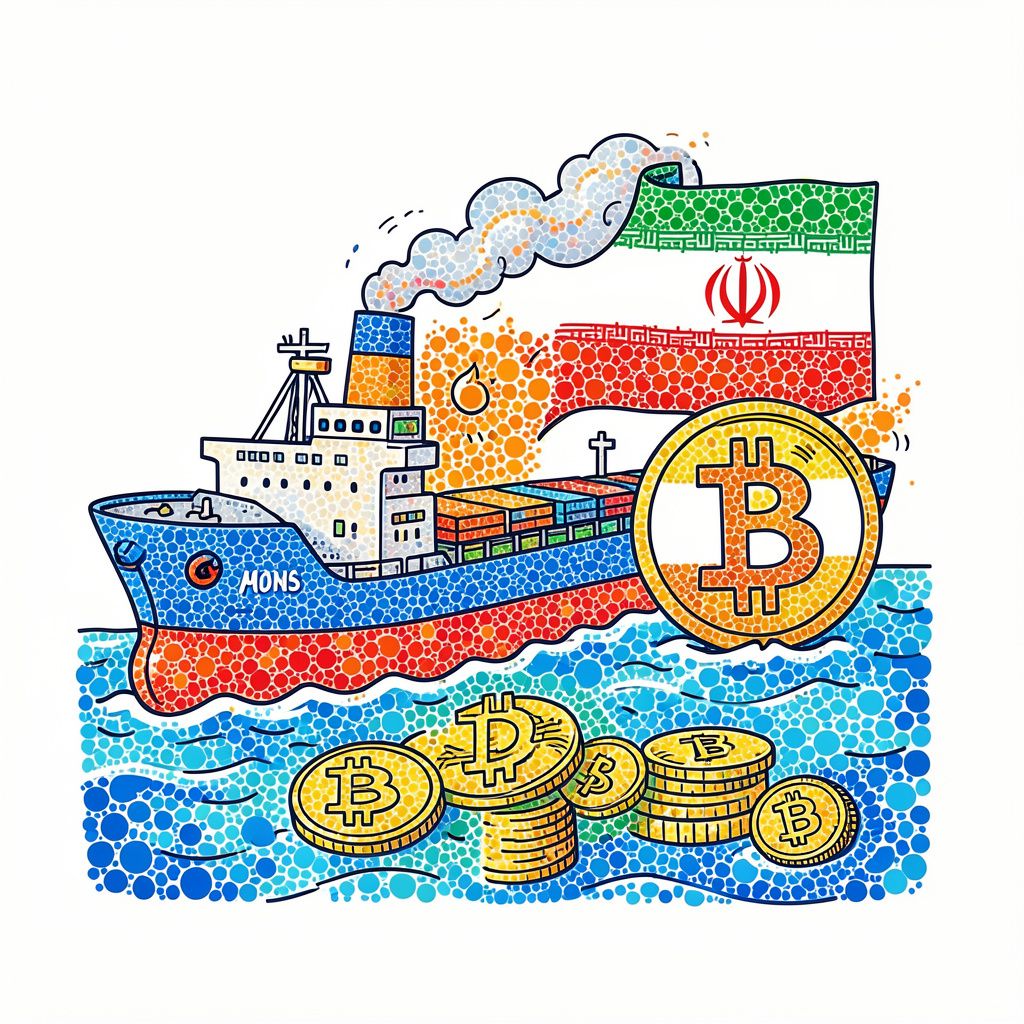
During a two-week US ceasefire, Iran is requiring a $1-per-barrel Bitcoin toll for oil vessels in the Strait of Hormuz, utilizing digital assets to strategically bypass global financial sanctions.
Sanctions Evasion Through Digital Assets
The mechanics of this new toll system are designed to bypass traditional, dollar-based financial networks from which Iran has long been restricted [3]. According to Hamid Hosseini, a spokesperson for Iran’s Oil, Gas and Petrochemical Products Exporters’ Union, shipping companies must first email Iranian authorities detailing their cargo [1]. Once assessed, vessels are granted a narrow window of merely a few seconds to remit payment in Bitcoin [1]. This rapid transaction framework ensures the funds cannot be traced or confiscated under current international sanctions [1]. The stated purpose of the inspections is to verify that no weapons are being transported through the waterway [1].
Market Relief and Geopolitical Maneuvering
The two-week ceasefire, which went into effect following an announcement by U.S. President Donald Trump on Tuesday evening, has provided a temporary reprieve for global markets [1][4]. The pause in hostilities, which Trump termed a “two-way ceasefire,” suspends planned U.S. strikes on Iranian civilian infrastructure [5]. In exchange, Iran has agreed to reopen the strait under the supervision of its armed forces [5]. An Iranian official indicated that the reopening would be limited and strictly controlled ahead of anticipated meetings with U.S. officials later in the week [1]. Adding a layer of unpredictability to the diplomatic proceedings, President Trump remarked on Wednesday that he is considering a “joint venture” with Iran to manage the tolling system, describing it as a way to secure the strait [1].
A Polarized International Response
The temporary cessation of hostilities has drawn widespread, albeit cautious, international approval. United Nations Secretary-General António Guterres and International Atomic Energy Agency Director-General Rafael Grossi both welcomed the pause, with Grossi emphasizing the IAEA’s readiness to monitor nuclear safety [4]. European leaders, including German Chancellor Friedrich Merz and French President Emmanuel Macron, echoed these sentiments, stressing the need for a diplomatic resolution [4]. Pope Leo XIV also expressed satisfaction, calling the ceasefire a sign of hope, though he sharply criticized President Trump’s earlier rhetoric warning that an entire civilization could be destroyed [4].
Sources
- thehill.com
- www.instagram.com
- bitcoinmagazine.com
- parsi.euronews.com
- fa.tradingeconomics.com
- wsnext.com