Why Young Adults Are Going into Debt to Avoid Awkward Money Conversations
New York, Tuesday, 28 July 2026.
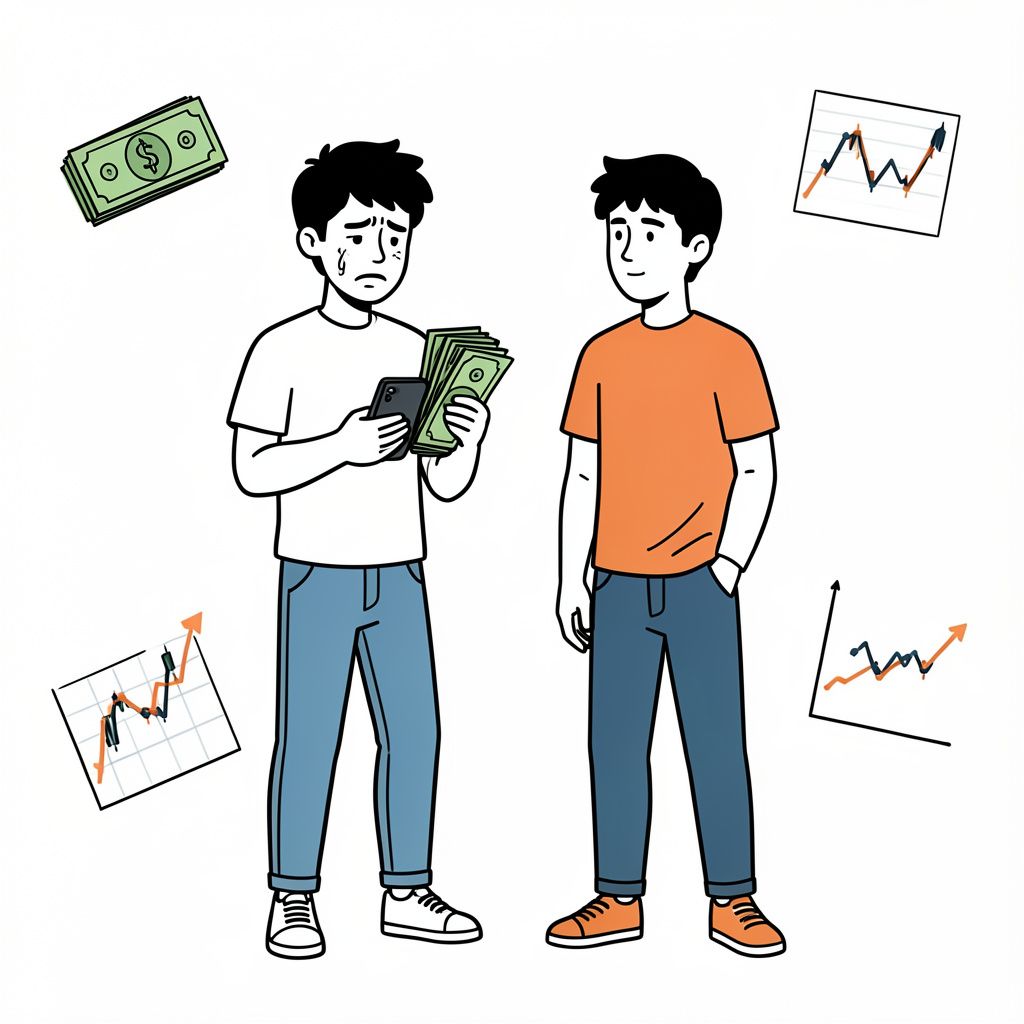
Zelle’s new report reveals 47% of Gen Z have gone into debt because they are too uncomfortable to ask friends to repay shared expenses, leaving 76% permanently shortchanged.
The Scale of the Avoidance Economy
Newly released data from the digital payments network Zelle, published on July 25, 2026, highlights a stark financial reality for the youngest members of the American workforce [3]. According to Zelle’s 2026 Avoidance Economy Report, which analyzed two separate surveys of 1,000 U.S. consumers each, approximately 46% of Gen Z respondents currently owe their friends or family more than $1,000 [1]. Even more striking, 30% of Gen Z consumers owe a balance of $2,500 or more to those in their immediate social circles [1]. This dynamic has created a quiet liquidity crisis among young adults, who frequently front major costs for group experiences without a clear path to reimbursement [1][3].
Generational Disparities in Group Spending
The tendency to absorb group costs is far more pronounced among younger generations than their older counterparts. The Zelle report reveals that 47% of Gen Z consumers have actively gone into debt to cover group expenses they expected to be repaid, whereas only 13% of Baby Boomers have experienced the same predicament—representing a generational gap of 34 percentage points [1]. This discrepancy is fueled in part by high-ticket social events; approximately 37% of Gen Z respondents report spending more than $2,500 per person on major group gatherings, such as trips, concerts, or dinners [1][4]. When one individual fronts these massive bills, the financial ripple effects can quickly spiral into personal debt [1][3].
Psychological Barriers and Communication Gaps
While critics might attribute these debt cycles to financial recklessness, experts point to deep-seated social anxiety. Dr. Traci Williams, a clinical psychologist and financial therapist, explains that money conversations remain highly uncomfortable among close friends, often preventing individuals from hashing out clear payment arrangements before fronting costs [1]. This social avoidance has tangible consequences: a staggering 76% of Gen Z adults who paid upfront for shared expenses reported that they were never fully reimbursed by their peers [3][4]. The discomfort of asking for money back ultimately outweighs the financial pain of absorbing the loss, leaving young adults quietly bleeding funds to preserve social harmony [3][5].
The Dynamics of Repayment Avoidance
When it comes to settling debts, Gen Z’s repayment behaviors are highly protracted. Only 28% of Gen Z consumers settle their shared expenses immediately, meaning that the vast majority—amounting to 72%—delay payment to some degree [1]. Specifically, 18% take up to a month, 10% require two to six months, and 11% take more than six months to pay back what they owe [1]. To evade these financial obligations, some young adults resort to social evasion; Zelle’s data shows that 20% of Gen Z debtors have muted or ignored group chats, and 7% have completely cut off social contact with their creditors to avoid repayment [1].
The Emotional and Relationship Toll
This avoidance behavior does not come without a severe emotional cost. The Zelle survey highlights that 82% of Gen Z respondents experience stress or anxiety from owing money, compared to 64% of Baby Boomers, a difference of 18 percentage points [1]. Being on the receiving end of this dynamic is also stressful, with 59% of Gen Z reporting anxiety from simply being owed money [1]. These financial tensions frequently erode social circles: 69% of Gen Z report that repayment issues have negatively impacted a relationship, 55% report damaged friendships or relationships [4], and 14% have seen a friendship end entirely due to a dispute over shared costs [1].
Rising Debt and the Turn to Technology
The broader economic implications of this trend are reflecting in national debt statistics. According to data from Money Management International, young adults between the ages of 18 and 29 are seeking professional debt counseling in record numbers [2]. Interestingly, a growing segment of this demographic is utilizing artificial intelligence, such as ChatGPT, to help draft messages and navigate these difficult financial conversations [2]. However, digital payment tools are also playing a critical role in mitigating these delays. Zelle’s report indicates that 86% of frequent Gen Z users experience faster repayment speeds after adopting the platform [1]. As automated split-payment features become more widespread, they may offer a vital buffer against the awkward social dynamics currently driving the avoidance economy [1][GPT].