How Solar-Powered Modular Computing Solves Growing Electricity Grid Bottlenecks
Davis, Tuesday, 3 November 2026.
Apparent launched a solar-driven modular data center in California today, utilizing intelligent software that activates normally idle backup systems to expand computing capacity without overburdening local power grids.
A New Approach to Critical Computing Infrastructure
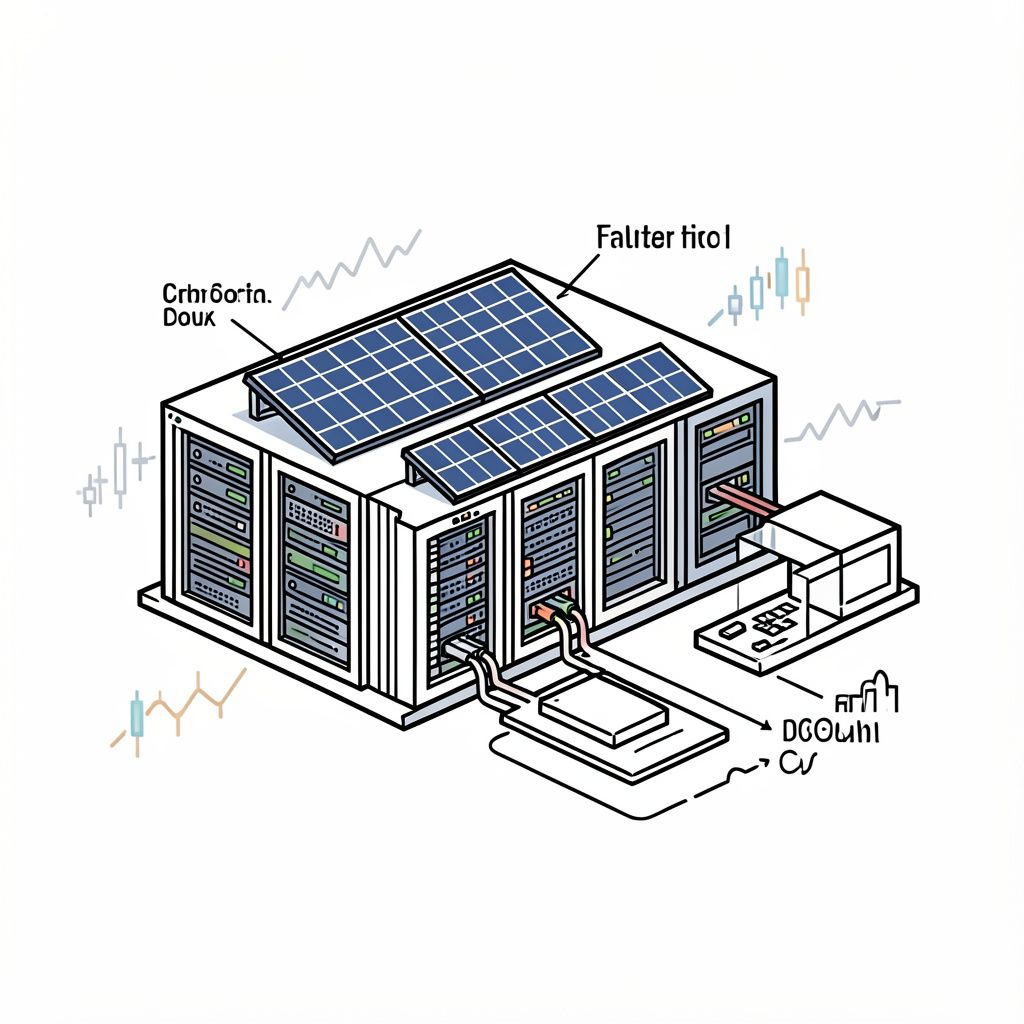
On Tuesday, 3 November 2026, clean energy technology firm Apparent unveiled a live, fully operational modular data center at the historic Photovoltaics for Utility Scale Applications (PVUSA) site in Davis, California [1]. The demonstration pairs the company’s proprietary PULSE hardware with its igOS energy intelligence platform to showcase decentralized, solar-powered critical computing infrastructure [1]. This marks a significant departure from traditional data center models, which often face severe grid interconnection bottlenecks and surging power demand driven by artificial intelligence workloads [GPT].
Addressing Grid Constraints with Modular Microgrids
Apparent’s modular microgrid model illustrates how compute facilities can be permitted faster, built at a smaller physical footprint, and operated reliably on dedicated on-site renewable generation without straining utility grids [1]. The modular architecture scales from 250 kW to more than 40 MW, addressing growing industry challenges with massive hyperscale facility approvals and grid constraints [1]. John Chin, Chief Revenue Officer of Apparent, emphasized the inefficiency of traditional data centers, stating, ‘Most data centers pay for much more power than they ever put to work’ [1].
Optimizing Backup Power for Enhanced Efficiency
The company’s Active UPS and igOS platform repurpose normally idle backup power systems, putting them to work without compromising redundancy or security [1]. Chin further explained, ‘With our Active UPS and igOS, the backup power that normally sits idle waiting for an outage is actually put to use, without compromising the desired level of redundancy and security’ [1]. This innovation aligns with the growing demand for sustainable and efficient computing solutions amid escalating energy costs and grid limitations [GPT].
Industry Implications and Future Prospects
The deployment at PVUSA follows Apparent’s broader strategy to provide data center developers, operators, and utilities with scalable, solar-powered solutions [1]. Prospective clients can schedule on-site demonstrations by contacting sales@apparent.com, with Lexie Michel of Sun PR serving as the point of contact [1]. This model not only addresses immediate grid bottlenecks but also sets a precedent for future data center designs that prioritize sustainability and operational efficiency [GPT].