Trader Joe's Expands Frozen Meal Recall to Nearly 17 Million Kilograms Over Glass Contamination
Monrovia, Tuesday, 24 March 2026.
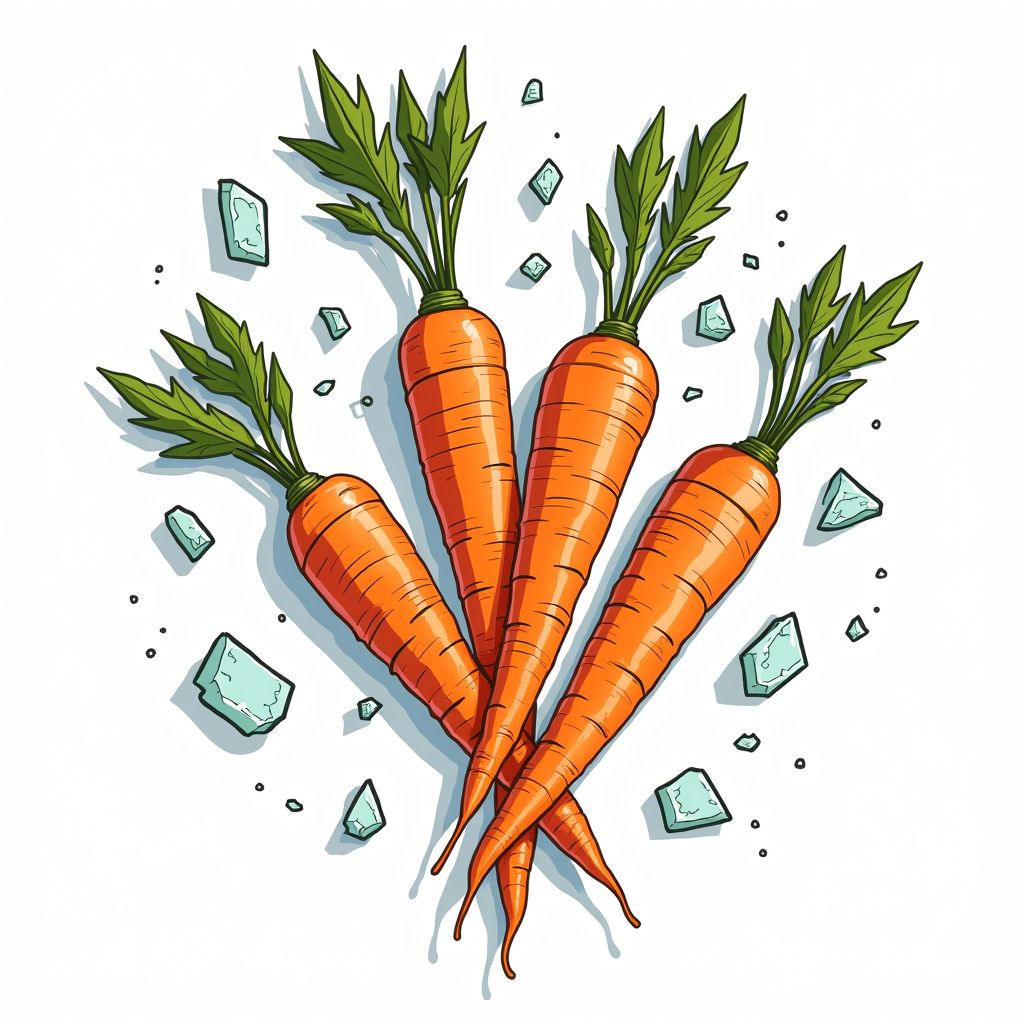
Trader Joe’s has expanded its frozen food recall to nearly 17 million kilograms across 43 states after discovering glass shards up to 3 centimeters long originating from contaminated carrots.
A Cascading Supply Chain Crisis
The crisis began on February 19, 2026, when Ajinomoto Foods North America, Inc. [alert! ‘Sources [3], [4], and [6] misspell the company name as Ajimoto, but [1] and [8] identify it as Ajinomoto’], headquartered in Portland, Oregon, initiated a recall of 1.5 million kilograms of frozen chicken fried rice products [1][8]. However, as the Food and Drug Administration (FDA) deepened its investigation, the scope of the contamination widened dramatically [1][3]. By March 3, 2026, the recall had expanded, and on March 20, 2026, an additional FDA enforcement action added more than 400,000 cases of Trader Joe’s Vegetable Fried Rice to the growing list of compromised items [1][3][8]. Currently, the total volume of recalled ready-to-eat and not ready-to-eat meals stands at nearly 16.8 million kilograms [1].
Assessing the Physical Hazard
The physical threat to consumers is significant, prompting the FDA to designate this as a Class II (or Class 2) recall [6][7]. A Class II classification indicates a situation where exposure to the violative product may cause temporary or medically reversible adverse health consequences, though the probability of serious adverse health consequences remains remote [6]. The foreign objects identified in the meals are shards of glass measuring between 1 and 3 centimeters in length, and 2 to 4 millimeters in width [3][4][6][8]. Despite the alarming size of the glass fragments, the FDA has reported no injuries associated with the contamination to date [3][8].
Lingering Consumer Risks
The longevity of frozen foods presents a unique public health challenge in the aftermath of a recall. The affected products, which include Trader Joe’s Chicken Shu Mai and various styles of ramen and yakitori chicken, bear best-buy dates stretching from February 28, 2026, all the way to August 19, 2027 [3][8]. Joseph Wendelken, a spokesman for the Rhode Island Department of Health, emphasized this hidden danger, noting that consumers often forget about frozen purchases stored in the back of their freezers, unlike fresh perishables that spoil quickly [1].
Sources
- www.bostonglobe.com
- www.wcvb.com
- nypost.com
- pix11.com
- www.facebook.com
- wgntv.com
- turnto10.com
- www.the-sun.com