Washington Revives 1980s Tax Strategies for Manufacturers
Washington, Wednesday, 4 February 2026.
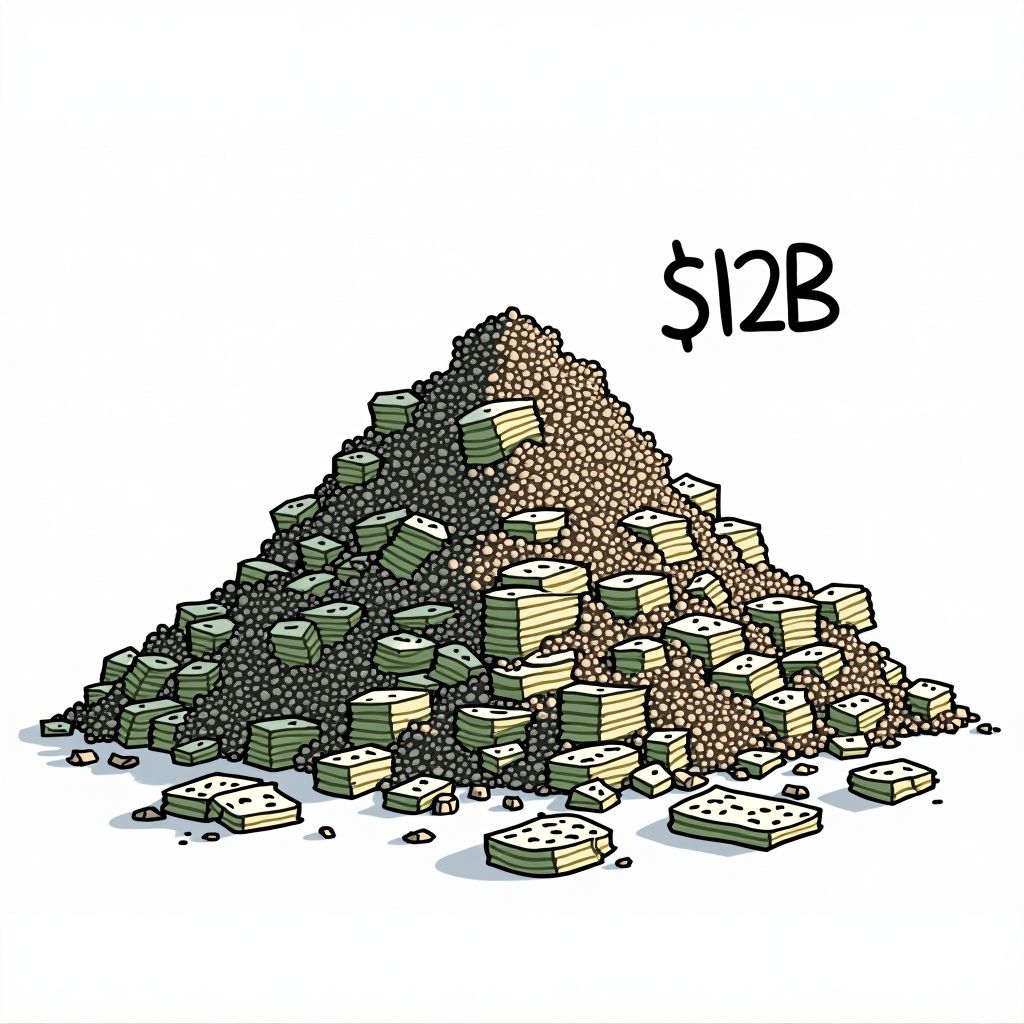
Policymakers are returning to Reagan-era supply-side economics, prioritizing manufacturing tax breaks and deregulation to stimulate growth. This strategic pivot includes a massive $12 billion initiative to stockpile critical minerals, betting on market self-correction to secure economic resilience against global competitors.
A Theoretical Renaissance
The economic discourse in Washington has taken a distinct turn toward the past, with supply-side economics experiencing a significant resurgence in committee rooms and policy sessions [1]. This framework, which originally powered the fiscal strategies of the Reagan administration, is being championed once again as a method to stimulate growth through tax cuts and reduced regulation [1]. While proponents are repackaging these concepts under modern monikers such as “entrepreneurial freedom” and “innovation capital,” the central tenet remains unchanged: lowering burdens on enterprises and high-income earners to foster an environment where market advantages theoretically trickle outward [1]. Critics, however, point to the historical fallout of these policies, including widened wealth inequality and strained public services during the 1980s, questioning whether this ideological shift can address modern challenges like labor automation [1].
Incentivizing Industrial Independence
Moving from theory to practice, the administration is applying these supply-side principles directly to national defense and industrial manufacturing. On Monday, January 26, 2026, President Donald Trump announced a $12 billion initiative to establish a domestic stockpile of critical minerals, a move explicitly designed to reduce American reliance on foreign supply chains [2]. Dubbed “Project Vault,” this initiative aims to insulate U.S. manufacturers from price shocks and shortages by ensuring consistent access to materials vital for technology and renewable energy [2][3]. Major industrial players, including General Motors, Stellantis, and Boeing, have already agreed to participate in the program, which President Trump compared to the long-standing strategic petroleum reserve, framing it as a necessary shield for American industry [2][3].
Strategic Supply Chains
The urgency of this supply-side intervention is underscored by the current geopolitical landscape, particularly regarding China’s dominance in the sector. China currently accounts for 70% of the world’s mining for rare earths and controls 90% of the processing capabilities [2]. Furthermore, China is a primary producer for 60% of the minerals designated as strategically critical by the Department of the Interior [3]. This concentration of control became a tangible threat during the trade disputes of 2025, when China moved to cut off U.S. access to rare earths and magnets [2]. The economic logic behind the U.S. response is to create a “virtuous circle” where government-backed supply availability encourages domestic semiconductor and technology manufacturers to expand production, knowing the raw materials are secure [2].
Diplomatic Reinforcement
Cementing this domestic economic policy with international diplomacy, the State Department is hosting a ministerial meeting today, Wednesday, February 4, 2026 [3]. Secretary of State Marco Rubio and Vice President JD Vance are scheduled to sign bilateral agreements focused on securing these supply chains [2]. The administration views this gathering as a pivot point to generate momentum for collaboration on components vital to national security and economic strength [3]. These agreements, including deals with nations like Australia, involve financial interventions to support projects that might not otherwise be commercially viable, directly countering attempts by foreign competitors to flood the market and stifle U.S. production [2].