Jury Decides if Elon Musk Misled Investors During 2022 Twitter Buyout
San Francisco, Wednesday, 18 March 2026.
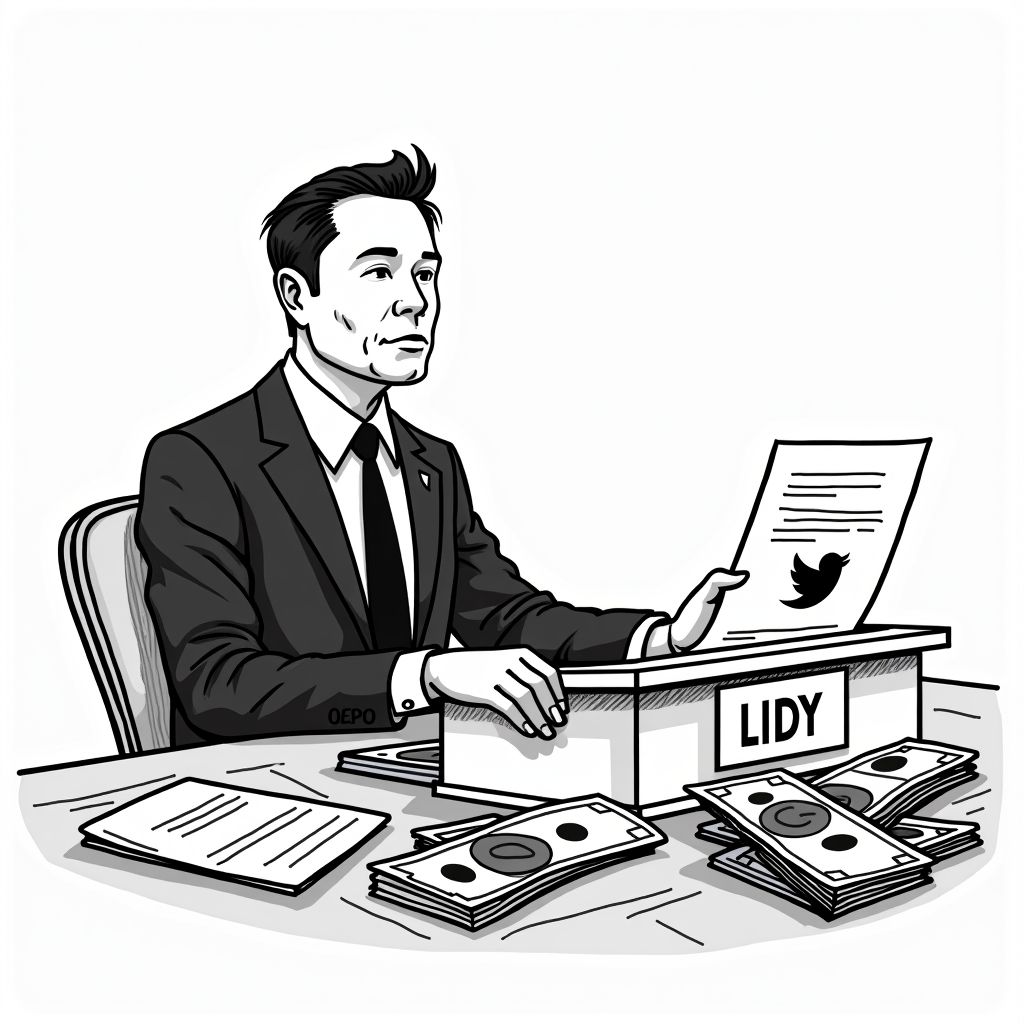
A San Francisco jury is currently deliberating whether Elon Musk intentionally tanked Twitter’s stock price with his 2022 ‘on hold’ tweet to renegotiate his $44 billion buyout.
The Core Allegations and Closing Arguments
Following three weeks of testimony, an eight-person San Francisco jury, comprising five men and three women, began deliberations on Tuesday, March 17, 2026 [1][5]. The central question is whether Elon Musk committed securities fraud through public statements made in May 2022, specifically a May 13 tweet declaring his leveraged buyout of Twitter Inc. was “temporarily on hold,” a subsequent May 16 tweet, and remarks made on the “All-In” business and tech podcast [1]. Investors allege that these communications artificially deflated the social media platform’s stock price between May 13 and October 3, 2022, when Musk finally agreed to proceed with the acquisition at the originally agreed-upon price of $54.20 per share [1].
Defense Strategy and the Bot Controversy
The defense has forcefully rejected the characterization of a premeditated scheme. Michael Lifrak, representing Musk, argued that the plaintiffs failed to present “one shred of evidence” indicating a purposeful plot to drive down the stock price [3][5]. Lifrak contextualized the events by noting that renegotiation rumors naturally surfaced once issues regarding automated accounts became public, stating, “Two tweets and a podcast does not equal securities fraud” [1]. The defense maintains that Musk genuinely believed his statements were accurate based on the information available at the time, arguing that a trial concerning “stupid” tweets does not equate to proven financial fraud [3][5].
Legal Maneuvering and Parallel SEC Scrutiny
The proceedings have not been without procedural friction. On March 10, 2026, Musk’s legal team filed a motion for a mistrial, alleging that the conduct of the plaintiffs and the presiding judge had deprived him of his right to a fair trial [3][4]. While reviewing jury instructions on March 16, 2026, Judge Charles R. Breyer acknowledged the jury pool’s potentially negative views of the billionaire, instructing that a person who is “not universally liked” still deserves a fair trial and must not face discriminatory treatment [3][4]. This dynamic echoes Musk’s previous legal victory in a San Francisco federal court, where a jury cleared him of securities fraud regarding his 2018 “funding secured” tweet about taking Tesla private [1].
Implications for Executive Communications
As the jury weighs liability and potential financial damages, the verdict will serve as a crucial benchmark for corporate governance [5]. For compliance officers and executives, the outcome will clarify the legal threshold at which informal social media posts transition into actionable securities fraud during high-stakes corporate transactions [GPT]. Should the jury find Musk liable, they will then be tasked with determining the exact monetary damages caused by the stock’s deflation during the volatile six-month period in 2022 before the company, now known as X, was officially acquired [alert! ‘Exact financial damages remain unspecified pending the jury’s final determination’] [1][3][5].