US Warns of Trade Friction as Canada Opens Border to Chinese EVs
Washington D.C., Friday, 16 January 2026.
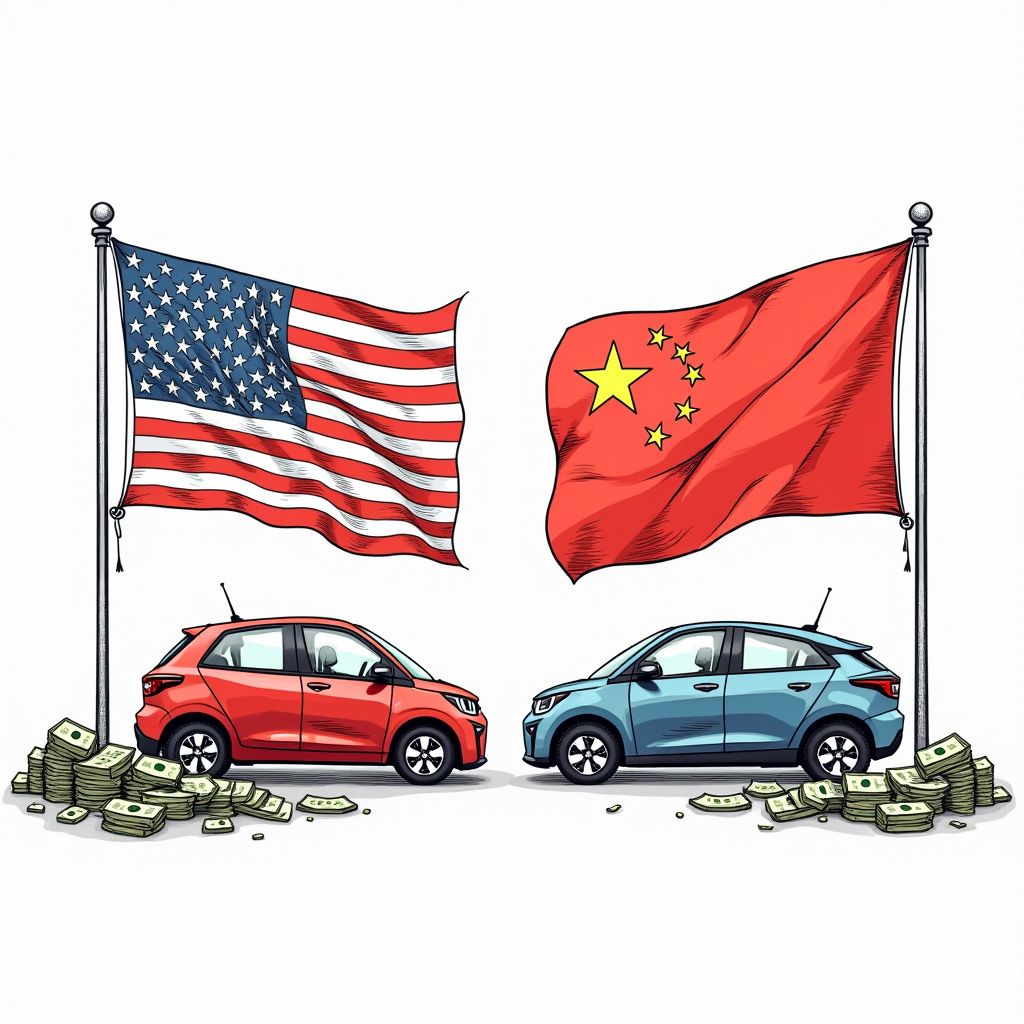
Defying US pressure, Canada approves 49,000 Chinese electric vehicle imports to rescue agricultural trade, prompting stern warnings from Washington about regional supply chain integrity.
Washington Issues Stark Warning Following Ottawa’s Policy Shift
On Friday, January 16, 2026, the Trump administration issued a direct rebuke to the Canadian government following Prime Minister Mark Carney’s decision to reopen the Canadian border to Chinese electric vehicles (EVs). U.S. Transportation Secretary Sean Duffy stated that Canada would “surely regret” the move to allow Chinese cars into their market, emphasizing that the United States will strictly enforce its own borders to prevent these vehicles from entering American territory [1]. This diplomatic friction marks a significant fracture in the “Fortress North America” trade approach, which had previously seen both nations aligned in imposing 100% tariffs on Chinese EVs to protect domestic automotive industries [5].
The Quid Pro Quo: EVs for Agriculture
The divergence in trade policy stems from a newly announced “strategic partnership” between Ottawa and Beijing, secured during Prime Minister Carney’s visit to China this week [5]. Under the terms of the agreement, Canada will permit an annual quota of 49,000 Chinese EVs to enter the country at a drastically reduced tariff rate of 6.1%, a return to the levels seen before the prohibitive 100% duties were implemented in 2024 [2][8]. This quota is set to expand to 70,000 vehicles over the next five years, representing a volume increase of 42.857 percent over the initial cap [2][4].
Security Concerns and the American Response
The United States maintains that Chinese connected vehicles pose a national security threat due to potential data collection and cybersecurity vulnerabilities. In January 2025, the U.S. adopted strict rules regarding the cybersecurity of internet-connected vehicles, which officials cite as a primary barrier to Chinese entry [1]. U.S. Trade Representative Jamieson Greer dismissed the idea that these vehicles might leak into the U.S. market, asserting, “Those cars are going to Canada – they’re not coming here,” while noting that the necessary tariffs are in place to protect American auto workers [1]. Greer further suggested that Chinese manufacturers would struggle to comply with American cybersecurity regulations even if they attempted to cross the border [1].
Domestic Discord and Industry Fallout
While agricultural stakeholders like the Canadian Canola Growers Association have welcomed the deal as “very good news,” the reaction from Canada’s automotive sector has been hostile [8]. Ontario Premier Doug Ford, who leads the province where the bulk of Canada’s auto manufacturing is located, criticized the agreement, warning that it allows “Chinese subsidized spy cars” into the market and risks angering President Trump [2][8]. Ford emphasized that his government would not support vehicles not manufactured by Ontarians [2].